

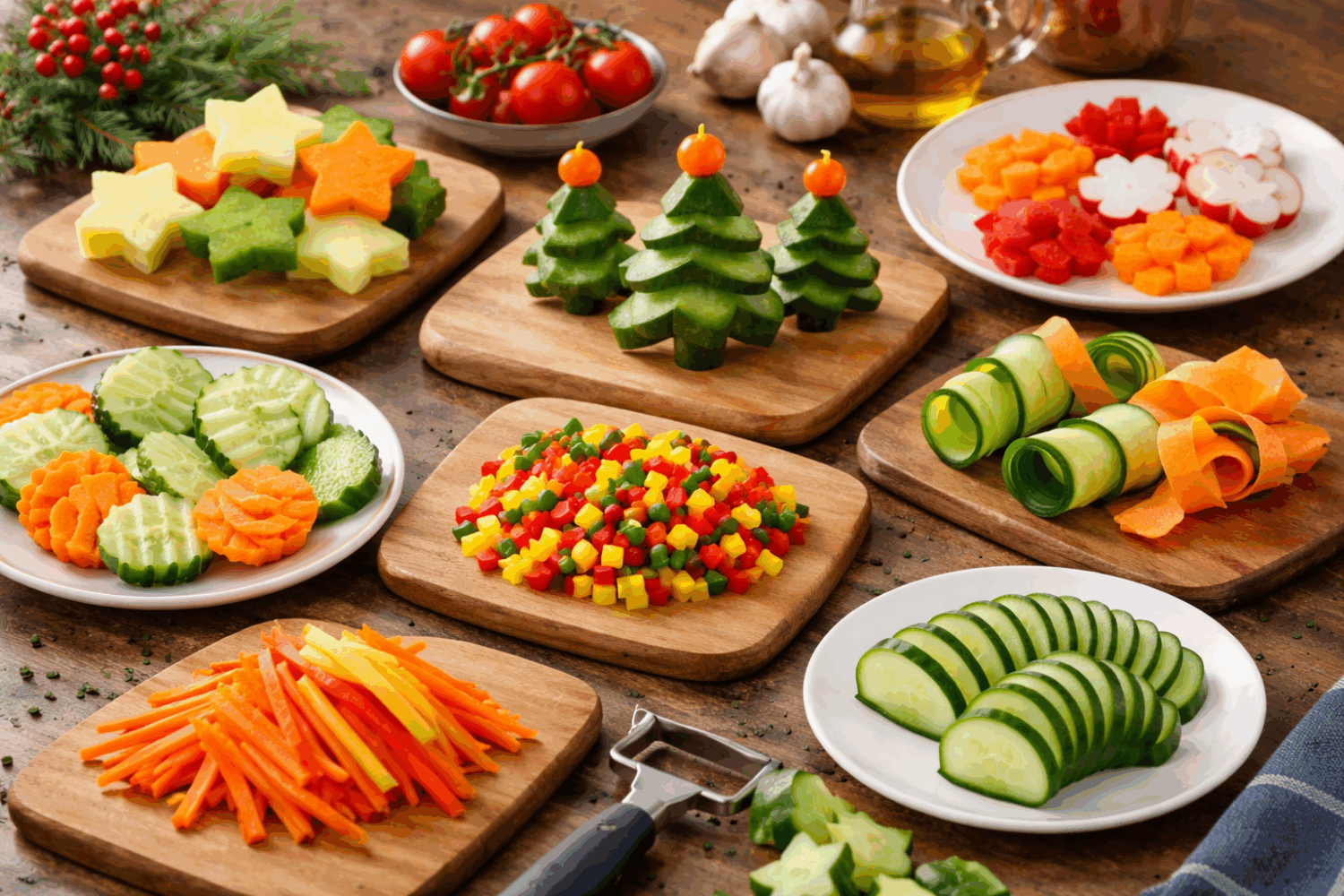
Walk into any five-star hotel, and one thing stands out even before you taste the food. The vegetables look intentional. Nothing is random. Every carrot, cucumber, and potato is cut with purpose. That precision is not about expensive ingredients or secret recipes. It is about knife skills.
Professional chefs understand that presentation starts long before cooking begins. The way vegetables are cut determines how evenly they cook, how flavors are absorbed, and how attractive the final plate looks.
The good news is that these techniques are not reserved for hotel kitchens. With a sharp knife and a little patience, Kenyan home cooks can apply them this Christmas.
1. Julienne—the matchstick cut every home cook should master
The first essential skill is the julienne cut. This is the classic matchstick shape used on carrots, capsicum, and zucchini. Julienne vegetables cook evenly and look neat, which is why chefs rely on them for stir-fries, salads, and garnishes.
At home, julienned carrots can instantly upgrade fried rice or even a simple cabbage stir-fry. Because the pieces are uniform, they absorb spices better and cook at the same pace.

2. Brunoise—the tiny cube that transforms flavour
This is simply julienne taken one step further. The matchsticks are cut again into tiny cubes about the size of a match head. Fine dining kitchens love brunoise because it creates balance in every bite.
Kenyan cooks can use brunoised onions, carrots, and capsicum for samosas, minced meat, pasta sauces, or festive rice dishes. Smaller cubes mean faster cooking and more even flavor distribution.

3. Vichy—the elegant round slice for festive plating
For a clean, elegant look, chefs turn to the Vichy cut. These are thick, round slices, commonly used on carrots or courgettes. They may look sophisticated, but they are easy to achieve. Slice straight across the vegetable into even rounds.
At home, Vichy carrots make an excellent Christmas side dish served with goat meat, chicken, or beef stew. Arrange them neatly on a platter, and they immediately elevate the presentation.

4. Crinkle cuts—adding texture and visual appeal
When texture and visual interest are needed, chefs use crinkle cuts. The ridged surface holds sauces well and adds a playful feel to the plate.
While professional kitchens use special cutters, a careful knife can still achieve a similar effect. Crinkle-cut potatoes, carrots, or cucumbers work well for salads and fried sides. If you are serving chips this Christmas, crinkle cuts make them feel special without changing the recipe.

5. Ribbon cuts—the secret to modern, Instagram-worthy plates
Finally, there are ribbon cuts, a favorite for modern plating. Using a vegetable peeler, vegetables like cucumber, carrot, or zucchini are shaved into long, thin ribbons. These curls are perfect for salads, nyama choma platters, and Christmas grazing boards. They instantly make food look lighter and more refined.

The lesson from five-star kitchens is simple. You eat with your eyes first. This Christmas, Kenyans do not need new menus. Just better cuts. When the food looks special, the day already feels special.