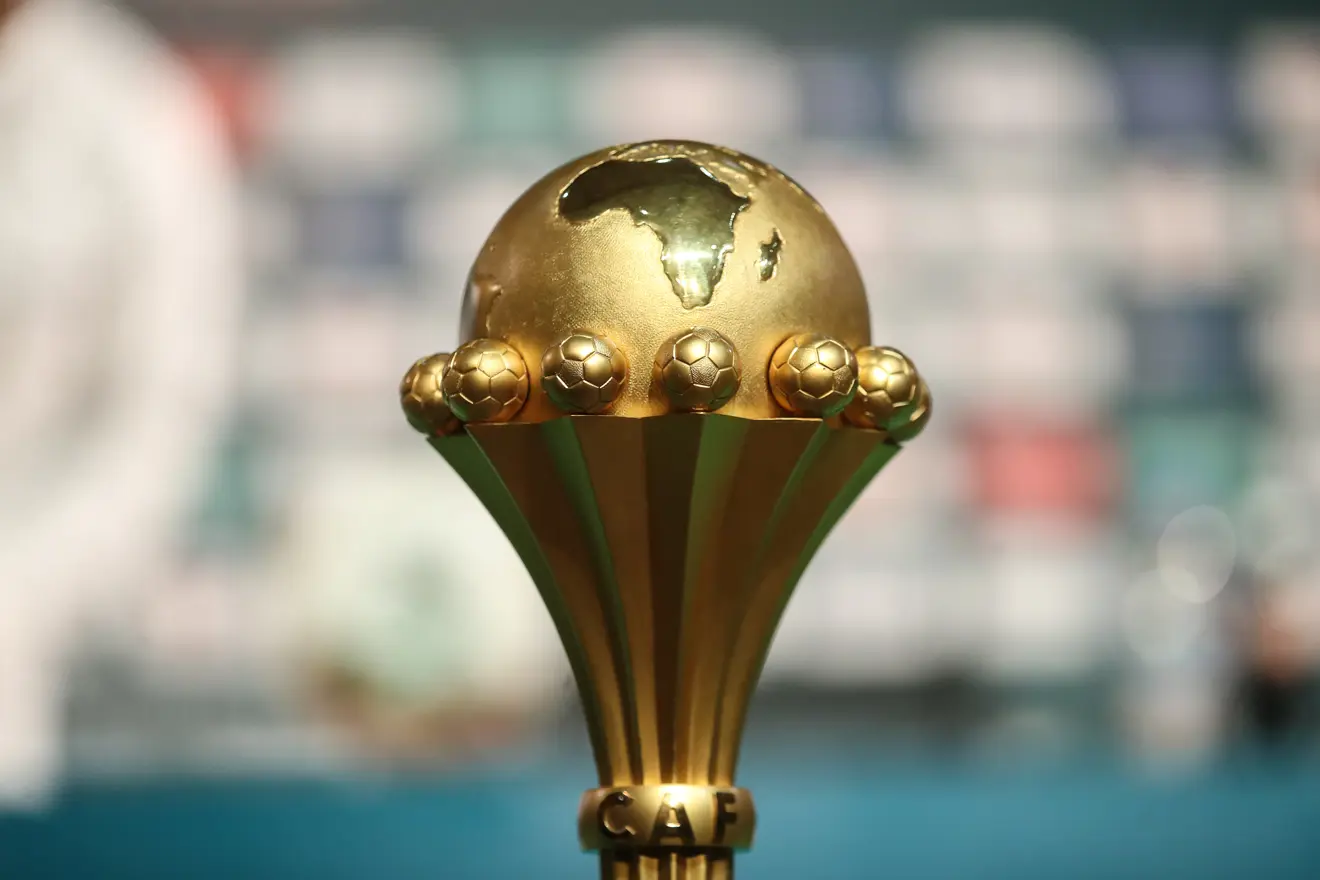
Africa’s biggest football spectacle is heading north as Morocco prepares to stage the 35th CAF Africa Cup of Nations, a tournament expected to redefine intensity, ambition and continental pride.
Scheduled for 21 December 2025 to 18 January 2026, the competition will mark the first time AFCON is played during the European winter, ushering in a historic shift in the football calendar.
Defending champions Côte d’Ivoire arrive with momentum and belief after their unforgettable home triumph in 2023, where they edged Nigeria in a dramatic final.
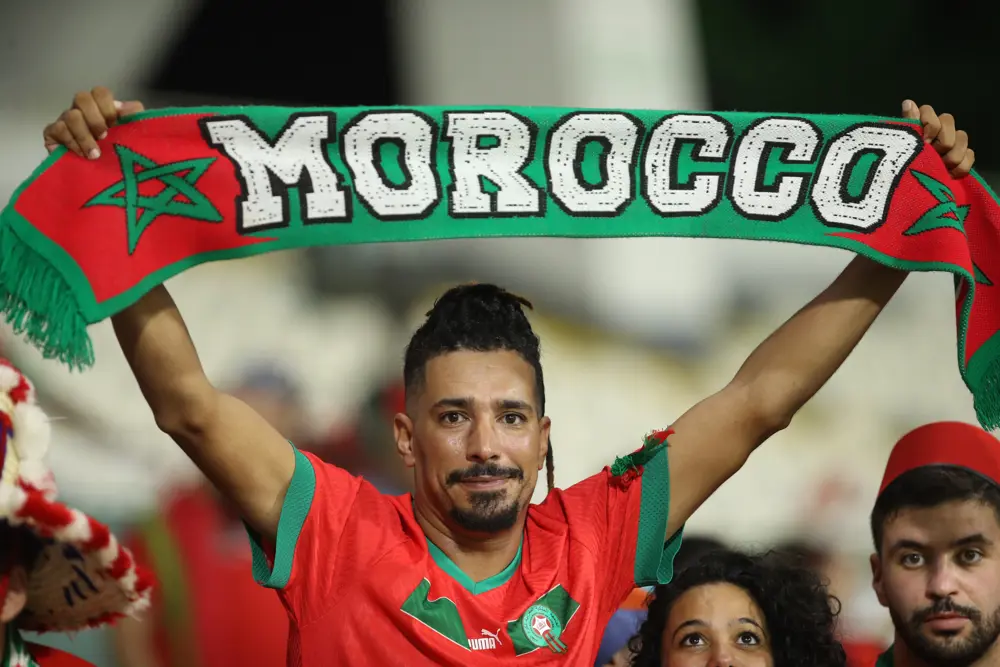
The Elephants are now chasing a fifth AFCON title, a feat that would place them alongside Ghana and closer to Africa’s most decorated nations Egypt and Cameroon.
Yet, the champions will face a battlefield packed with hungry challengers. From seasoned giants seeking redemption to rising teams eager to upset the hierarchy, AFCON 2025 promises minimal margins and maximum drama.
Morocco’s moment on the continental stage
Morocco returns as host for the first time since its aborted 2015 bid, this time fully equipped with world-class facilities, organisational pedigree and a football culture deeply woven into its national identity.
Hosting AFCON aligns with the country’s broader sporting ambitions, coming after successful CAF events and ahead of its co-hosting role at the 2030 FIFA World Cup.
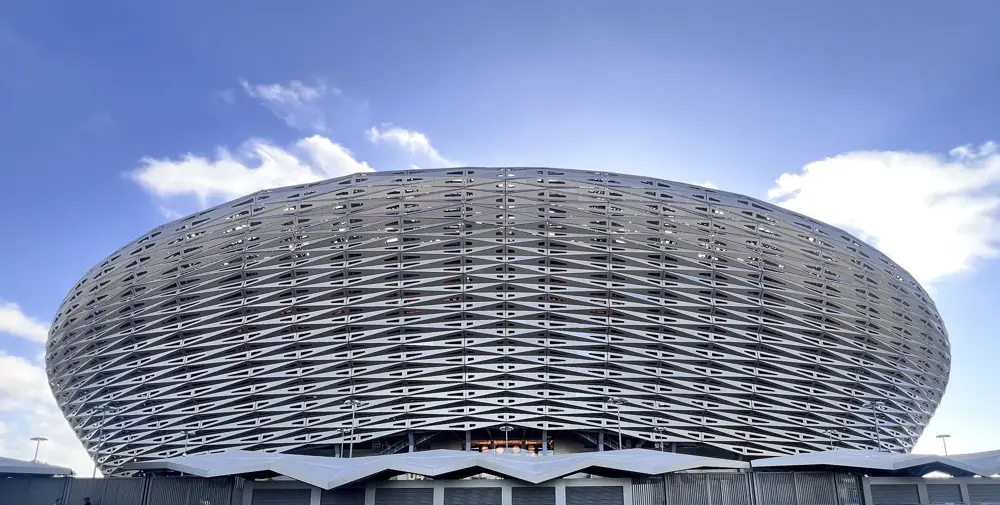
Matches will be staged across six cities Rabat, Casablanca, Agadir, Marrakech, Fès and Tangier with iconic venues such as the 75,600-seater Tangier Grand Stadium and Rabat’s Prince Moulay Abdellah Sports Complex taking centre stage.
The 24 teams ready for battle
A total of 24 nations have booked their place at the finals, either through qualification or automatic entry as hosts.
Africa’s elite — including Egypt, Nigeria, Senegal, Algeria, Cameroon and South Africa — will be joined by determined competitors such as Uganda, Tanzania, Comoros and Botswana, underlining the tournament’s expanding competitiveness.
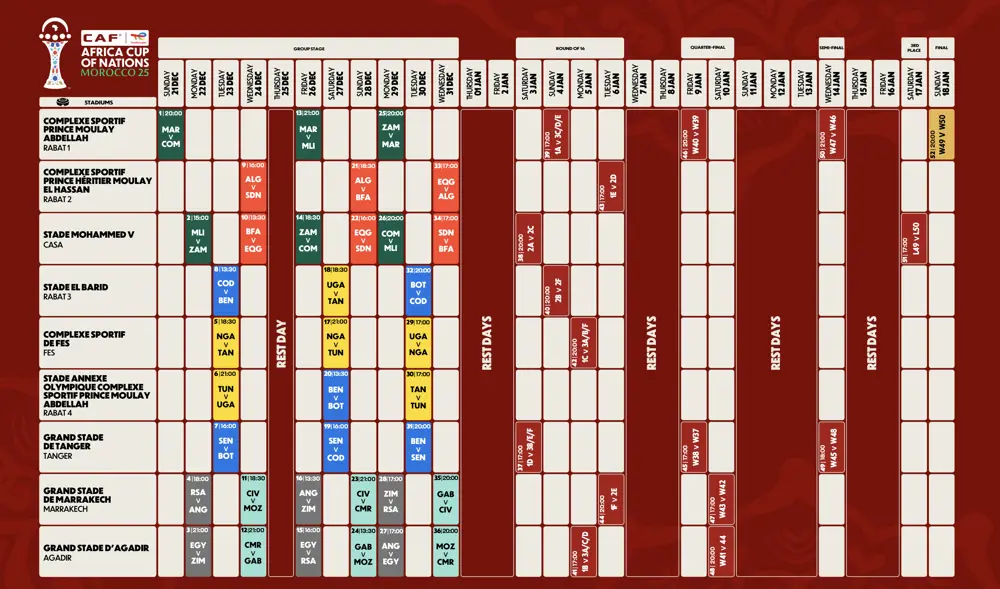
The group stage draw has already thrown up several mouth-watering clashes, notably Côte d’Ivoire sharing a group with Cameroon, and Nigeria set to face Tunisia and East African rivals Uganda and Tanzania.
Fans, innovation and identity
Supporters attending matches must obtain a FAN ID via the Yalla App, which also unlocks ticket purchases and access to official Fan Parks across Morocco.
Eight fan zones will host live screenings, concerts and interactive football activities, extending the AFCON experience beyond stadium walls.
CAF and PUMA have also unveiled ITRI, the official match ball inspired by Moroccan zellige art. Meaning “star” in Amazigh, the design symbolises unity, heritage and the shared ambition of the 24 competing nations.
A symbol of unity
The tournament mascot, Assad, draws inspiration from the Atlas Lion a symbol of Moroccan strength and African pride.
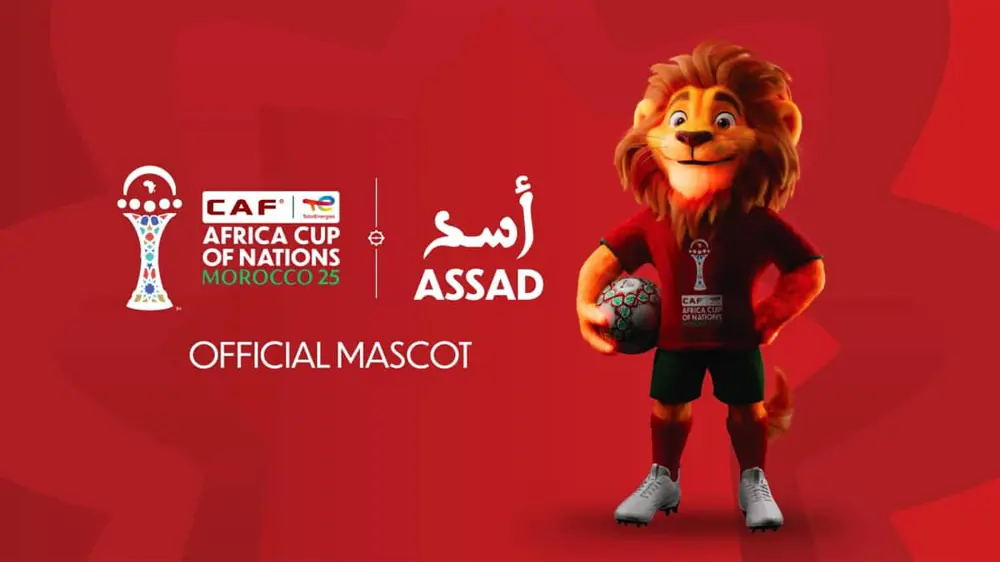
Beyond entertainment, Assad will play a role in youth engagement and grassroots football initiatives, reinforcing AFCON’s social impact.
As Africa counts down to kick-off, AFCON 2025 in Morocco promises more than football it offers a celebration of culture, identity and the unifying power of the beautiful game.
ALSO READ: Four days to go: 2025 AFCON set for grand kick-off in Morocco