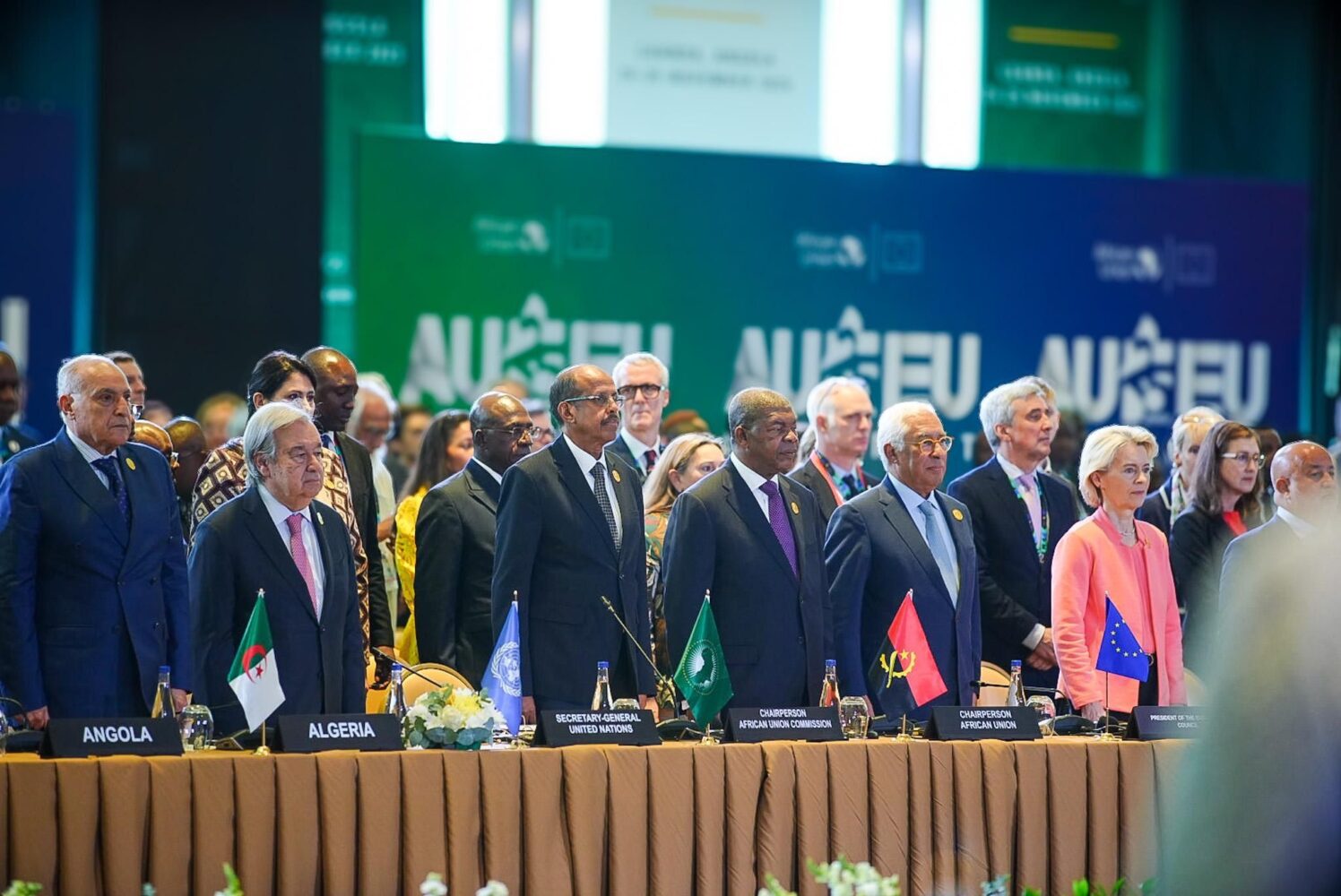
As African heads of state arrive in Addis Ababa for the African Union (AU) Summit, health advocates are warning that the continent is staring down a full-blown financing emergency—one that could redefine public health, state stability, and political legitimacy across Africa.
At a high-level webinar held on the summit’s eve, a coalition of civil society organizations and health experts declared that Africa’s donor-dependent healthcare model has effectively collapsed.
A projected 70 percent drop in foreign aid, coupled with a deepening sovereign debt crisis, has left the continent facing a $66 billion annual health financing gap and what speakers described as a looming “margin call” on Africa’s health security.
The convening, titled “Africa Leadership for Health Sovereignty,” was organized by AIDS Healthcare Foundation (AHF) Africa alongside AFRICA REACH, WACI Health, and RANA.
Presenters warned that 34 African countries now spend more on servicing debt than on healthcare—an imbalance they said threatens not only lives, but national stability.
“Let’s be honest: the charity model is broken,” said Dr. Penninah Iutung, Executive Vice President of AHF. “You cannot beg your way out of a $43-per-person health deficit. When countries choose debt payments over life-saving medicine, that is no longer economics—it is a moral indictment.”
Data shared during the session painted a stark picture. Africa carries 23 percent of the global disease burden yet accounts for just 1 percent of global health spending.
Meanwhile, African governments borrow at interest rates nearing 10 percent, compared to 2 or 3 percent for wealthy nations—a disparity speakers labeled “financial apartheid.”
The crisis is being accelerated by what participants called a sudden “funding cliff.” Thousands of USAID-supported programs have been terminated, European donors are retreating, and domestic health budgets—typically stuck at 7 to 8 percent—remain far below the 15 percent target pledged under the Abuja Declaration.
The consequences are already visible. Globally, 4.5 billion people lack access to essential health services, most of them in the Global South.
Africa’s heavy reliance on imported medical products remains a critical vulnerability, with the continent importing 99 percent of its vaccines—a dependence laid bare during COVID-19 and worsened by weakening local currencies.
WACI Health Executive Director Rosemary Mburu challenged the idea that Africa lacks the resources to fund health. “Health sovereignty is not isolationism—it is smart protectionism,” she said. “The money exists.
What has been missing is political urgency. We can not negotiate whether people deserve access to healthcare.”
Speakers also warned that underfunding health is no longer just a social policy failure but a security risk. AHF Africa Bureau Chief Martin Matabishi cautioned that fragile health systems fuel instability, stating that leaders who prioritize creditors over clinicians are “choosing fragility over the future.”
The webinar culminated in a Call to Action delivered by Tolessa Olana Daba of AHF Ethiopia, aimed squarely at AU leaders.
He said Africa must abandon dependence on unpredictable donor aid and move decisively toward health investment and self-reliance.
The coalition’s manifesto outlines three non-negotiable demands: a unified African position to renegotiate “odious” debt and unlock fiscal space for health; rapid operationalization of the African Medicines Agency to support local pharmaceutical production; and a shift from state-centered policy to “people-centered sovereignty,” ensuring communities facing climate-driven health shocks are not left behind.
As AU leaders deliberate behind closed doors this week, health advocates say the message could not be clearer: Africa’s health system is no longer on life support—it is at a breaking point, and the decisions made now will shape the continent’s future for decades.