
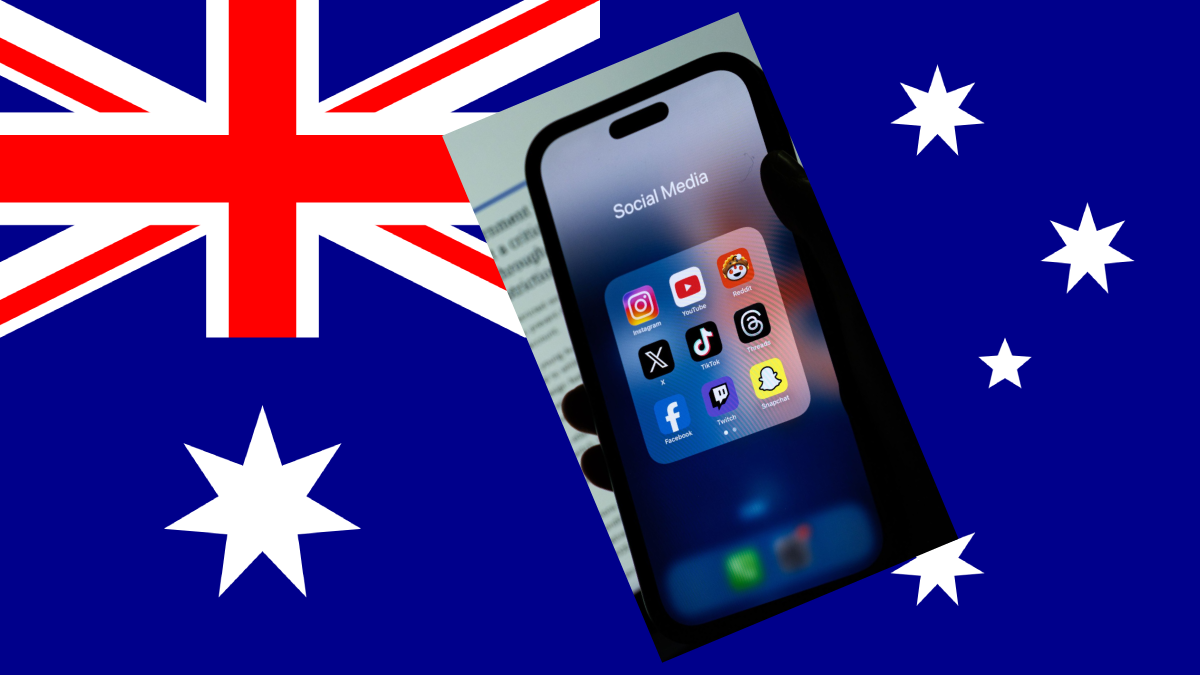
Australia has become the first nation to prohibit social media use for anyone under sixteen years of age, with the ban taking effect on Wednesday, December 10 , 2025.
The legislation requires major platforms such as TikTok, Instagram, Facebook, Snapchat, YouTube and X to prevent new registrations by users younger than sixteen, to delete existing accounts belonging to under‑age users, and to implement robust age‑verification measures including identity checks and facial‑recognition scans.
Companies that fail to comply will be subject to penalties of up to AU$49.5 million (approximately KSh4,25 billion). The new law obliges Facebook, Instagram, Kick, Reddit, Snapchat, Threads, TikTok, X, YouTube and Twitch to take reasonable steps to remove the accounts of Australian children younger than 16.
Australian Prime Minister Anthony Albanese welcomed the new legislation even as “families take back power from tech giants”. He was, however, quick to point out that its implementation would be difficult.
“This is the day when Australian families are taking back power from these big tech companies and they’re asserting the right of kids to be kids and for parents to have greater peace of mind,” Albanese told the Australian Broadcasting Corp. “This reform will change lives. For Australian kids … allowing them to just have their childhood. For Australian parents, enabling them to have greater peace of mind. But also for the global community, who are looking at Australia and saying: well, if Australia can do it, why can’t we?”
The government argues that the restriction is necessary to shield children from a range of online harms, including cyber‑bullying, sexual exploitation, exposure to inappropriate content, and risks to mental wellbeing.
Health officials have highlighted research linking excessive social‑media consumption with anxiety, depression and sleep disturbances among adolescents. By removing easy access to these platforms, policymakers hope to create a safer digital environment that encourages young people to engage in offline activities, education and face‑to‑face social interaction.
Opposition to the law has been vocal too. Critics contend that determined teenagers can circumvent the age‑verification process using virtual private networks (VPNs), proxy servers or falsified identification documents. They also warn that the ban could isolate vulnerable youths who rely on social‑media groups for peer support, mental‑health advice or community belonging, particularly those in remote or marginalised communities. Some digital‑rights advocates argue that the legislation sets a dangerous precedent for state control over online expression and may infringe on privacy rights.
The Australian parliament passed the bill after months of public consultation, and the government has pledged to fund a nationwide education campaign to help children, parents and schools adapt to the new rules.
The regulator overseeing Australia’s world-first teen social media ban will monitor compliance and issue fines as needed. While rejecting the “technological exceptionalism” championed by mostly US-based platforms, eSafety Commissioner Julie Inman Grant said Australia is entitled to restrict access to social media, just as it applied safety rules to “any imported good”, adding that even American parents would fancy a similar move.
“We will provide information to the public before Christmas on how these age restrictions are being implemented and whether preliminarily we see them working,” Inman Grant said, as reported by AFP. “The responses to these notices will form the baseline against which we will measure compliance.”
As the deadline approaches, both the industry and groups are preparing for a complex transition period that will test the balance between protection and freedom in the age.