Mothers in Vihiga County, together with their babies, recently took part in an inaugural baby crawling race at Shamakhokho Secondary School, an event that marked a creative push for maternal mental health.
The race formed part of a broader maternal wellness forum that brought together mental health advocates and dozens of mothers to raise awareness about the need for psychosocial support for women before and after childbirth.
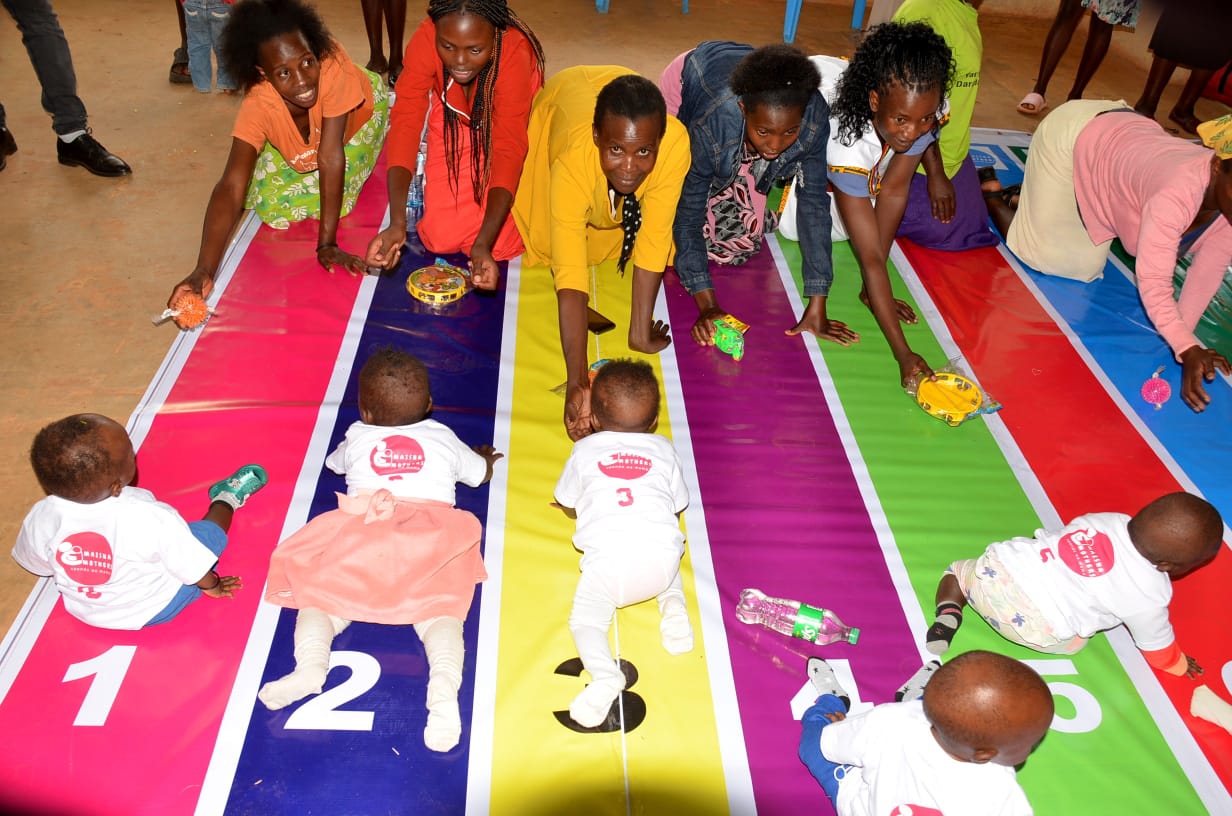
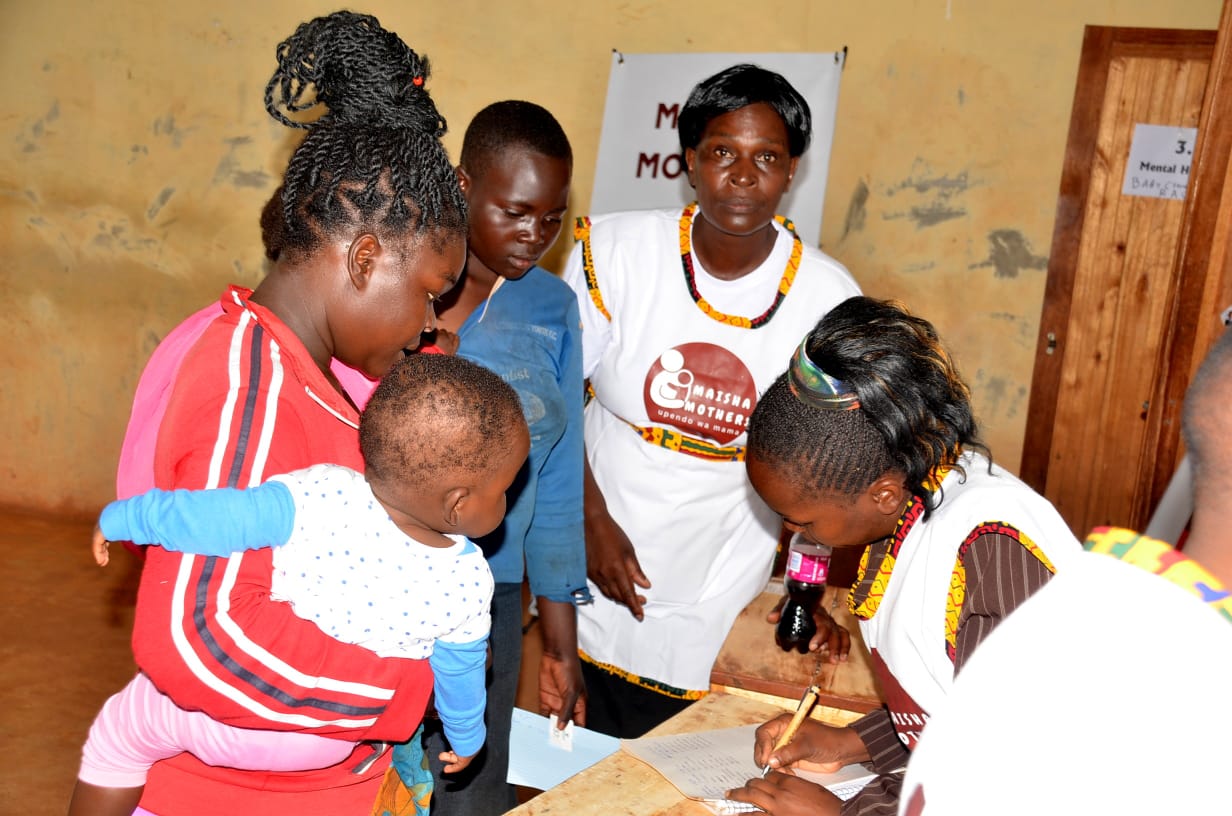
Organised by Thalia Psychotherapy through its maternal wellbeing programme, Maisha Mothers, the forum blended community engagement with mental health screening and education.
Mental health champions say the initiative comes amid growing concern over untreated mental distress among mothers. A challenge they say is often hidden by stigma, limited awareness and poor access to specialised care, particularly in rural counties such as Vihiga.
“When a mother’s mind breaks, everything else breaks with it starting from the family, the child and even the local economy,” said Ruth Amuko, Head of Special Projects at Thalia Psychotherapy.
According to Ministry of Health data, an estimated one in five mothers in Kenya experiences some form of postpartum mental distress, yet many cases remain undiagnosed and untreated.
The World Health Organization estimates that the global prevalence of postpartum depression ranges from 100 to 150 per 1,000 births, with severe cases requiring hospitalization.
In Africa, where mental health needs are often neglected, the problem is even more pronounced. Stigma and cultural expectations continue to prevent many women from seeking help.
“Social stigma and cultural expectations often prevent mothers from acknowledging their struggles, leaving them to suffer in silence,” Amuko said.
To combat postpartum depression and related disorders, Maisha Mothers has integrated mental health screening into the existing maternal healthcare system.
For mothers like Eunice Minadia, who brought her seven-month-old daughter to participate in the crawling race, the creative activities offered both relief and connection.
“This event helped me relax and connect with other mothers,” she said. “It reminded me that my mental health matters too.”
Minadia added that maternal mental wellness should be central to national and county development priorities.
“We cannot talk about healthy children if we are not talking about healthy mothers, both mentally and emotionally. Mental health must be treated with the same seriousness as physical health in our policies and budgets,” she said.
For many of the mothers who attended the Shamakhokho event, the impact was deeply personal.
“This is the first time anyone has asked me how I am feeling inside, not just about my baby, it makes a big difference to know someone cares,” Minadia noted.