The month of March has a way of making progress feel more complete than it is. The language becomes familiar; empowerment, inclusion, opportunity. But the closer you look at recent data, the more it resists neat framing.
In Kenya’s agricultural economy, women are not emerging participants, they are the foundation. Yet a December 2024 brief by the Food and Agriculture Organization (FAO) on gender and agrifood systems in Africa reaffirmed a persistent imbalance: women contribute up to 70% of agricultural labour across sub-Saharan Africa but consistently access fewer productive resources; land, credit, inputs and extension services than men. The result is not just inequality; it is suppressed productivity at scale.
That pattern holds locally. A March 2025 feature in one of the local media examining agri-SMEs noted that while digital financing has expanded rapidly in Kenya, formal credit uptake among women-led agribusinesses remains disproportionately low, largely due to collateral constraints and informal business structures. In other words, access exists but not in a form that matches reality on the ground.
And then there is the youth dynamic, often framed as a demographic advantage.A recent 2026 labour outlook highlighted by the International Labour Organization estimates that youth in Africa are three times more likely to be unemployed or underemployed than adults, despite increased participation in digital and informal sectors. Closer to home, recent coverage in a local daily points to a growing trend: young Kenyans are entering agriculture and agri-adjacent businesses through digital channels—market apps, logistics platforms and content-driven commerce but struggle to convert that visibility into consistent income.
This is where the conversation needs to shift. Because the divide is no longer just digital, it is functional. Kenya has one of the highest mobile penetration rates in Africa, and digital payment infrastructure is globally recognised. A December 2025 report by the GSMA on the mobile gender gap found that women in sub-Saharan Africa are still significantly less likely to own smartphones or use mobile internet at the same intensity as men. For youth, access may be broader, but depth remains uneven—data affordability, device quality, and monetisation pathways all shape outcomes.
So while access has expanded, conversion remains selective. In agriculture, that gap is particularly visible. Knowing market prices through a phone does not guarantee access to transport. Being able to list produce online does not ensure payment security. For many women farmers and young agri-entrepreneurs, the constraint is no longer awareness, it is infrastructure, both physical and financial.
It is within this tension that the Conference on Women’s Entrepreneurship and Digital Literacy for Youth and Women-Led Businesses, held on 24th March, felt less like a ceremonial gathering and more like a necessary confrontation with reality.
Convened by the Kenya National Chamber of Commerce and Industry (KNCCI) in partnership with the Vilnius Chamber of Commerce, Industry and Crafts (VCCIC), the forum moved beyond surface-level discussions of empowerment. Conversations centred on domestic labour mobilisation, sustainable development, and the need for resilient public and data systems—the underlying architecture that determines whether participation translates into progress.
For Kinangop Dairy Limited, this was not abstract.Operating within a value chain that depends heavily on smallholder farmers, many of them women, the themes discussed are lived daily. The gap between effort and return, access and scale, is not theoretical.
During the session, the KDL Brand Manager echoed a line from the opening panel that lingered long after it was said: “If you aren’t at the table, you’re on the menu.”
It is a statement that lands differently in this context. Not just as a metaphor for visibility but as a reflection of positioning—who shapes markets, who influences systems, and who is left reacting to them.
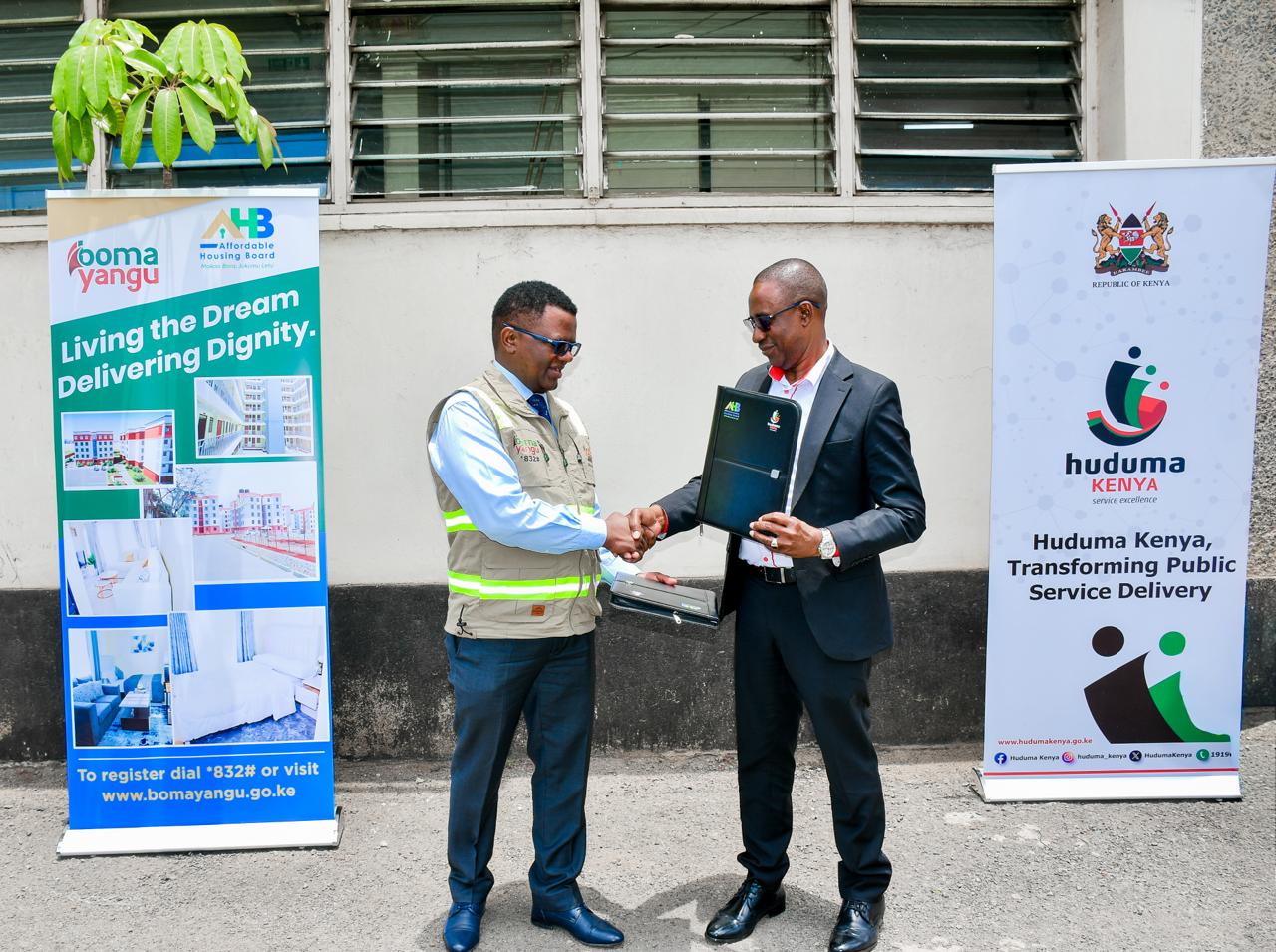
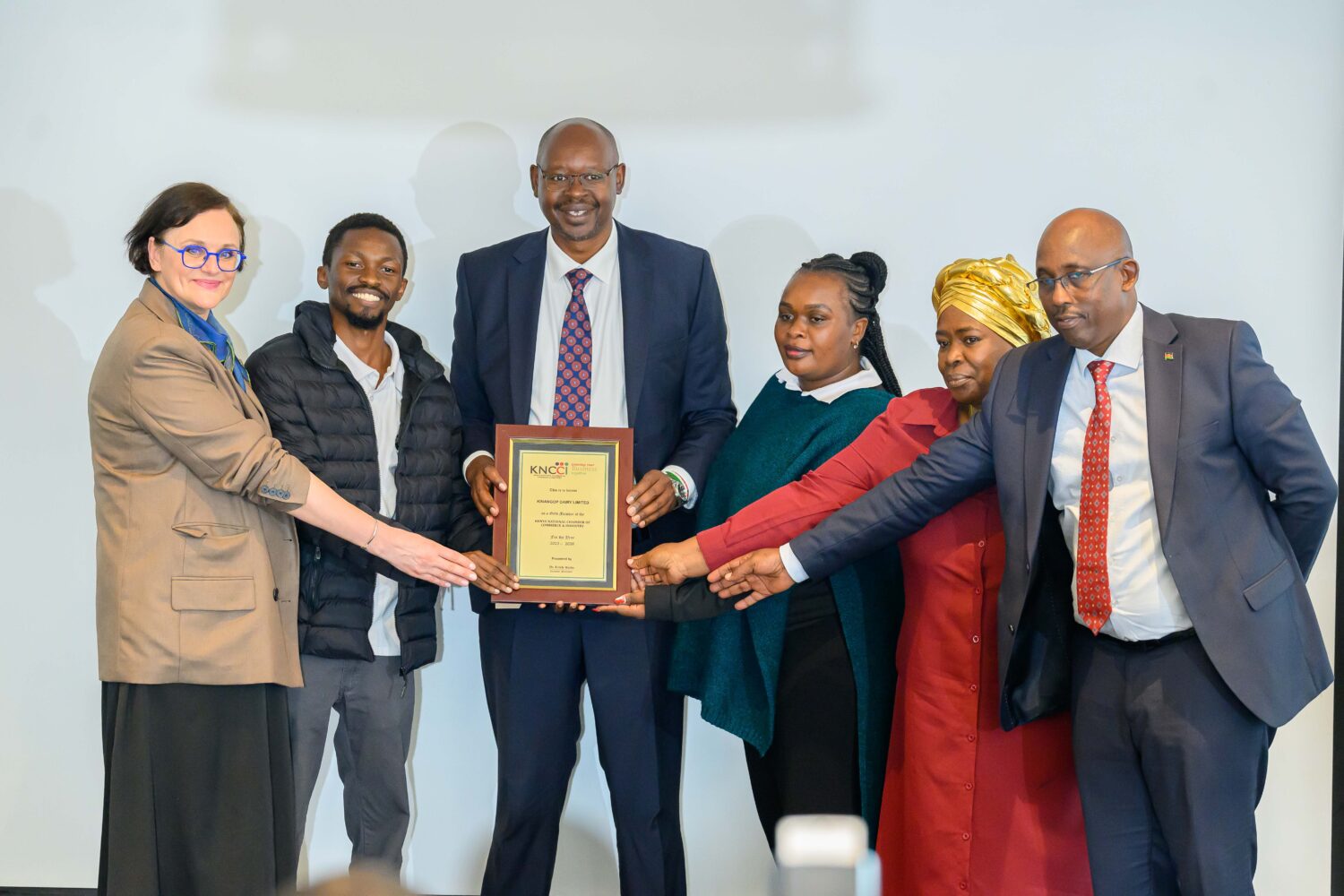
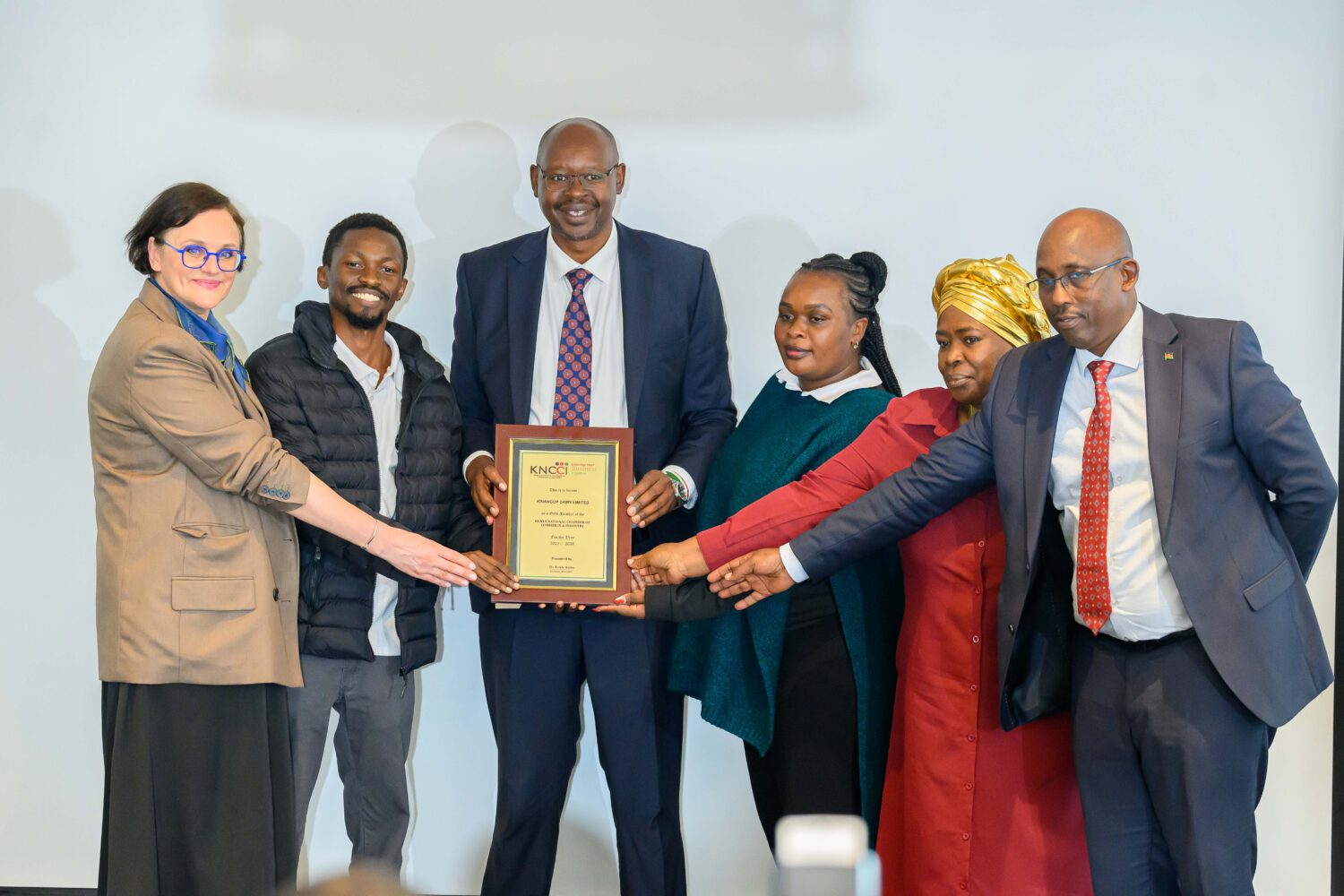
That positioning was underscored in a tangible way. Among all participating organisations, Kinangop Dairy Limited stood out as they were formally awarded its certificate of gold membership into the chamber network, presented by Dr Eric Rutto, President of the Kenya National Chamber of Commerce and Industry. It marked not just recognition but a clear signal of the brand’s place within the structures shaping enterprise, access and opportunity and its intent to actively partner with export markets to take Everyday Freshness beyond Kenya’s borders.
And perhaps that is where the real conversation sits as March closes. Not in whether women and youth are included, they are. But in whether they are positioned to influence, equipped to scale and supported by systems that do not lag behind their participation.Because the next phase of growth will not be defined by access alone. It will be defined by who is able to convert it into something sustainable.
Victor Thumbi – Kinangop Dairy Limited -Brand Manager