
More than 10,000 Kenyans travel abroad each year in search of specialized medical treatment, a trend that continues to expose gaps in the country’s healthcare system even as new investments begin to take shape.
Data shows that the bulk of these referrals are driven by cancer, kidney-related illnesses and cardiovascular diseases, with nearly 80 percent classified as highly specialized cases.
Between 2021 and 2022 alone, at least 569 patients were sent overseas for treatment.
Many of these cases involve complex and high-risk procedures such as open-heart surgery, organ transplants and advanced cancer therapies services that remain limited or costly within the country.
Treatment abroad often comes at a steep price, averaging around Sh1.5 million per patient, placing a heavy financial burden on families and insurers.
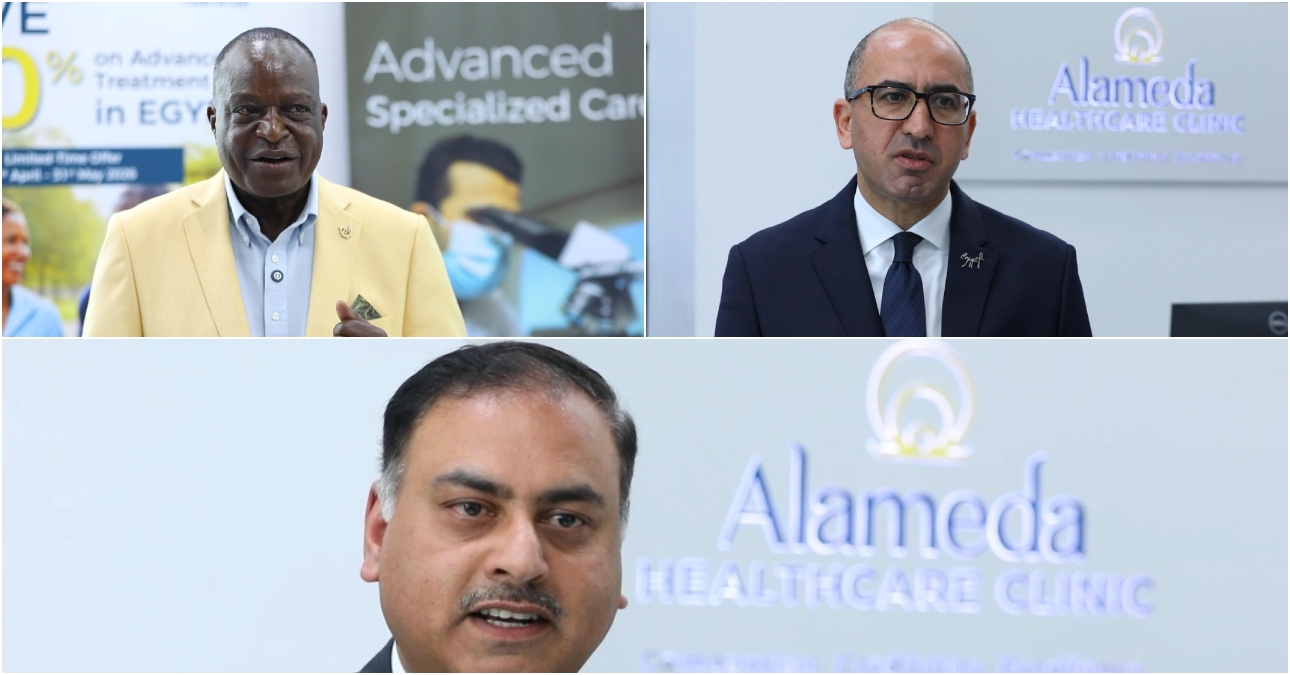
It is against this backdrop that a new multi-specialty clinic backed by Egypt’s Alameda Healthcare Group has been launched in Nairobi, in partnership with the Kenyan government.
The facility introduces advanced diagnostic and treatment services in areas such as cardiology, oncology, neurology, renal care and orthopedics.
Its backers say the goal is to reduce the need for outbound medical travel by bringing specialized care closer to patients.
Health sector observers say such investments could help ease pressure on households and improve early diagnosis, but caution that accessibility and affordability will ultimately determine impact.
While the new facility is expected to expand options for patients, questions remain about whether high-end private healthcare investments will significantly benefit the wider population, particularly those reliant on public health services.
Government officials have framed the development as part of a broader effort to strengthen healthcare systems through international partnerships.
Officials from both Kenya and Egypt say the collaboration could also support knowledge transfer and skills development among local healthcare professionals.
However, Kenya’s long-standing challenge has not only been infrastructure, but also the distribution of specialized services, workforce capacity, and cost barriers that limit access for many patients.
If effectively integrated into the local health system, experts note, such facilities could help reduce referral numbers, cut costs associated with overseas treatment and improve continuity of care.
For now, the launch reflects a growing recognition that addressing the country’s medical tourism burden will require both public investment and carefully structured private sector participation.
The real test will be whether these new services translate into affordable, accessible care for the majority of Kenyans and ultimately reduce the need to seek treatment beyond the country’s borders.