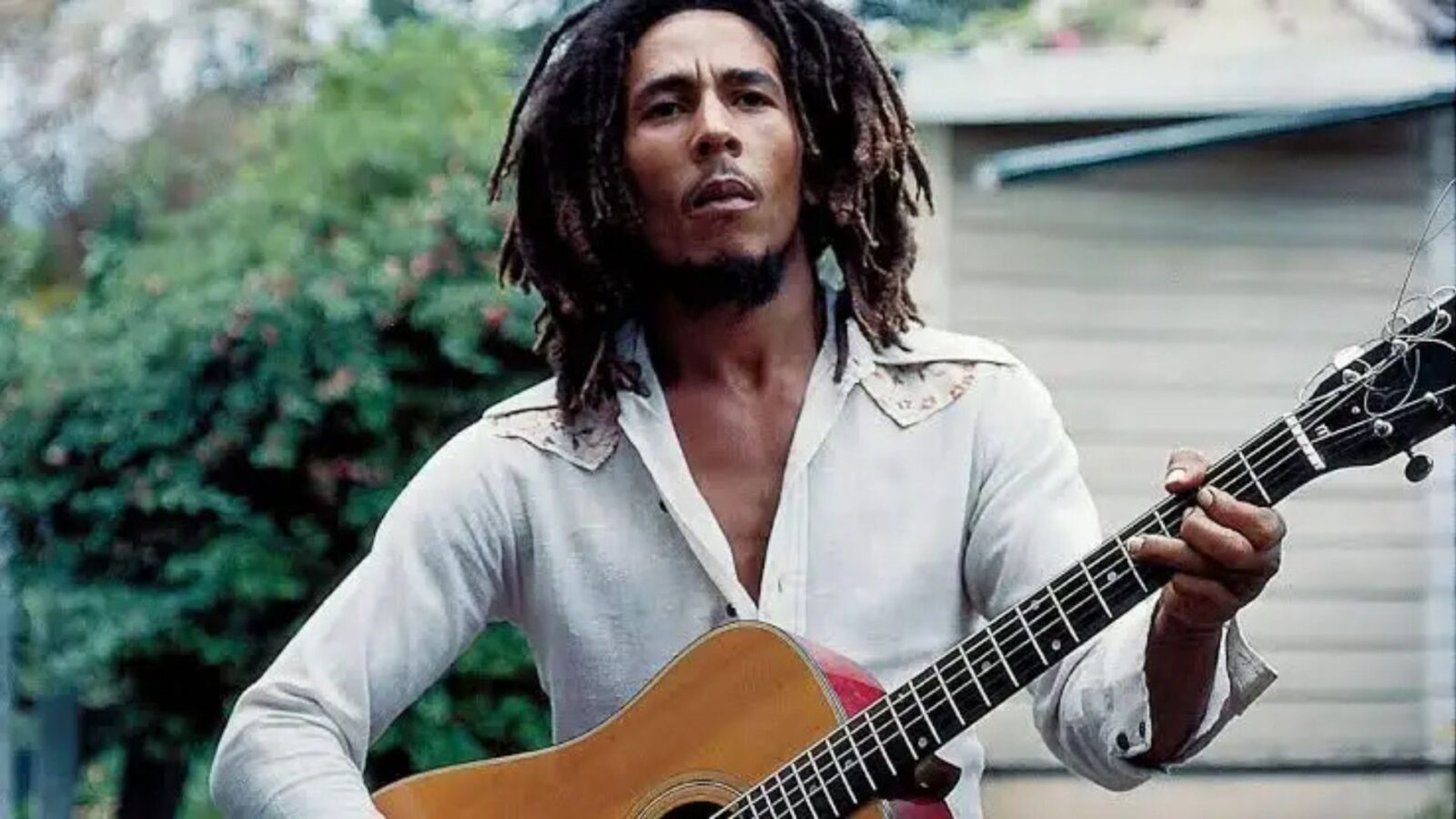
On Friday, February 6, the world celebrated the birthday of a legend, Robert Nesta Marley, better known as Bob Marley, albeit posthumously.
Born in 1945 in rural Jamaica, Marley left an indelible mark on music, culture, and social justice. His legacy extends far beyond his iconic reggae beats, echoing messages of unity, love, and resistance.
Marley’s music was more than just entertainment; it was a powerful tool for social commentary and activism. Songs like “One Love,” “Redemption Song,” and “Get Up, Stand Up” became anthems for the oppressed, advocating for equality, freedom, and human rights. His lyrics addressed issues like poverty, racism, and social injustice, resonating with people worldwide.
Beyond music, Marley’s impact on Jamaican culture and global identity is profound. He popularized reggae music, introducing it to international audiences and influencing countless artists. His dreadlocks, Rastafarian faith, and Afrocentric style helped shape a global image of Jamaican culture.
Marley’s message of unity and love continues to inspire. His music has bridged cultural and generational gaps, remaining relevant today. He was a champion of social justice, using his platform to advocate for the marginalized. His commitment to his roots and people is evident in his music and legacy.
In 1981, Marley passed away at 36, but his legacy lives on. UNESCO recognized his contributions, adding his name to the Memory of the World Register. His influence extends beyond music to politics, fashion, and spirituality.
As we celebrate his birthday, let’s reflect on his words: “The biggest coward is a man who awakens a woman’s love and then walks away.” Marley’s love and music continue to unite people. His legacy reminds us to strive for a world of equality, justice, and love.
As we honor Bob Marley’s enduring impact, his music and message remain a powerful force, inspiring generations. As he said, “One good thing about music, when it hits you, you feel no pain.”