
Bungoma County has recorded significant progress in the fight against neglected tropical diseases (NTDs) with the prevalence of bilharzia dropping from 7 to 4 percent since 2021.
The World Health Organization (WHO) reports that over 1 billion people globally are affected by NTDs, with 1.4 billion in need of preventive or curative interventions.
Their spread is often linked to environmental factors such as poor sanitation, limited access to clean water and exposure to contaminated sources.
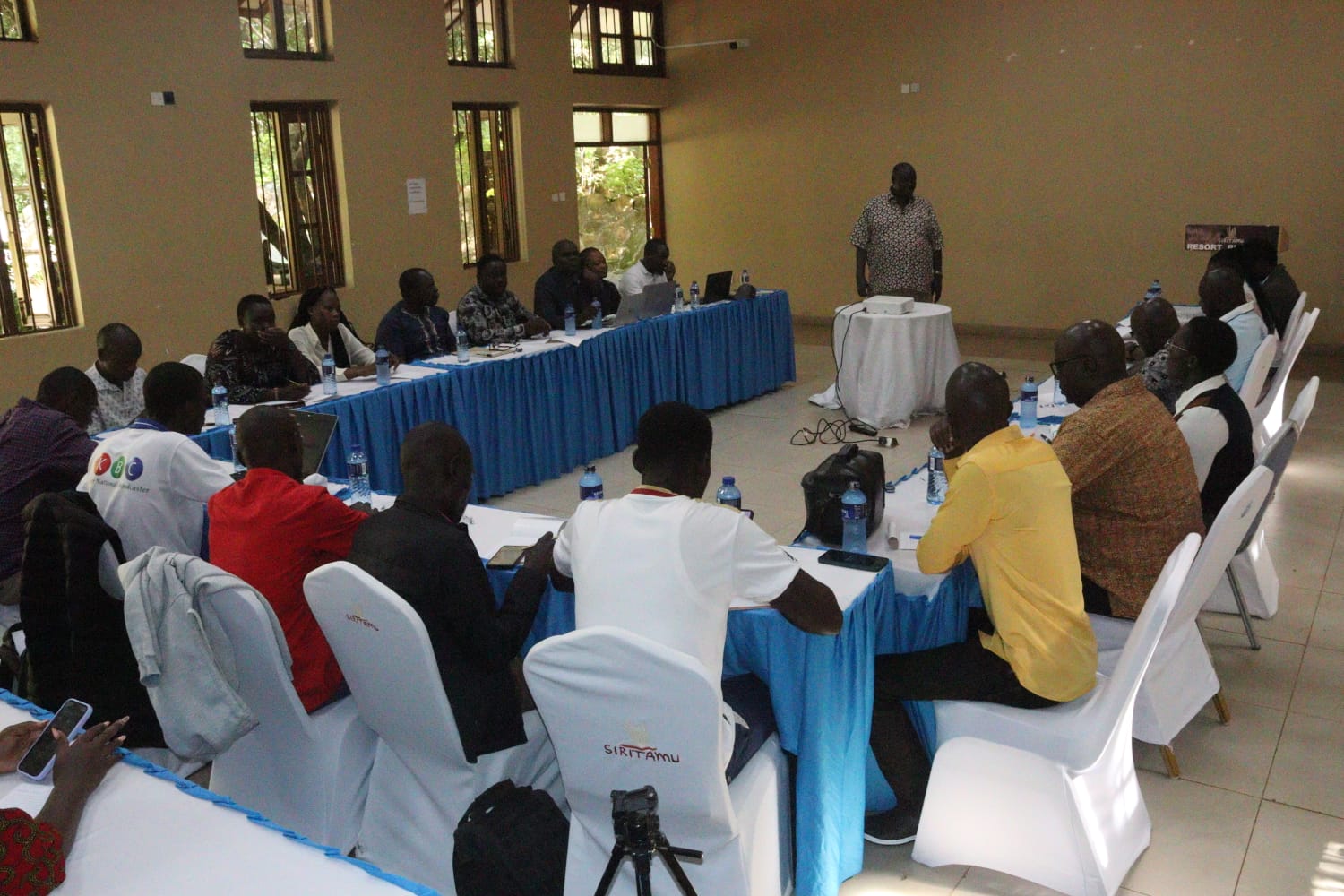
Speaking to the press in Bungoma, the county’s NTDs coordinator Robert Wetoto attributed the decline to sustained public health campaigns and improved sanitation practices among residents.
“We have seen a notable reduction in cases of bilharzia across the county. This is largely due to increased awareness and behavioral change among community members,” said Wetoto.
He added “More households are now embracing the construction and proper use of toilets, which has played a key role in breaking the transmission cycle of these diseases,”
Neglected tropical diseases, which are commonly linked to poor sanitation and limited access to clean water, have long affected vulnerable communities in Bungoma.
However, county-led interventions, in collaboration with the African Institute for health and development (AIHD) are now yielding tangible results.
Further, Wetoto noted that community health volunteers (CHPs) and local leaders have been instrumental in educating residents on preventive measures, including hygiene practices and the importance of avoiding contaminated water sources.
“The fight is far from over, but the progress we are witnessing is encouraging. Our focus now is to sustain these gains and ensure that even the most remote areas are reached,” he added.
However, Wetoto elaborated on the types of NTDs affecting Bungoma residents. These include Bilharzia, intestinal worms, scabies, jiggers, snake bites, leprosy and sleeping sickness.
Paul Ndung’u, an official from African Institute for health and development noted that the media has played a critical role in amplifying health messages and influencing positive behavior change.
“The media has been a powerful tool in this campaign. Through consistent reporting and public education, journalists have helped demystify NTDs and encouraged communities to take preventive action,” Ndung’u said.
He emphasized that accurate and timely information disseminated through different platforms has contributed to increased public awareness and reduced stigma surrounding the diseases.
“People are now more informed about how these diseases are transmitted and how they can protect themselves. This has led to greater community participation in prevention efforts,” Ndung’u added.
Despite the progress, health experts are calling for continued collaboration to fully eliminate NTDs in the region.
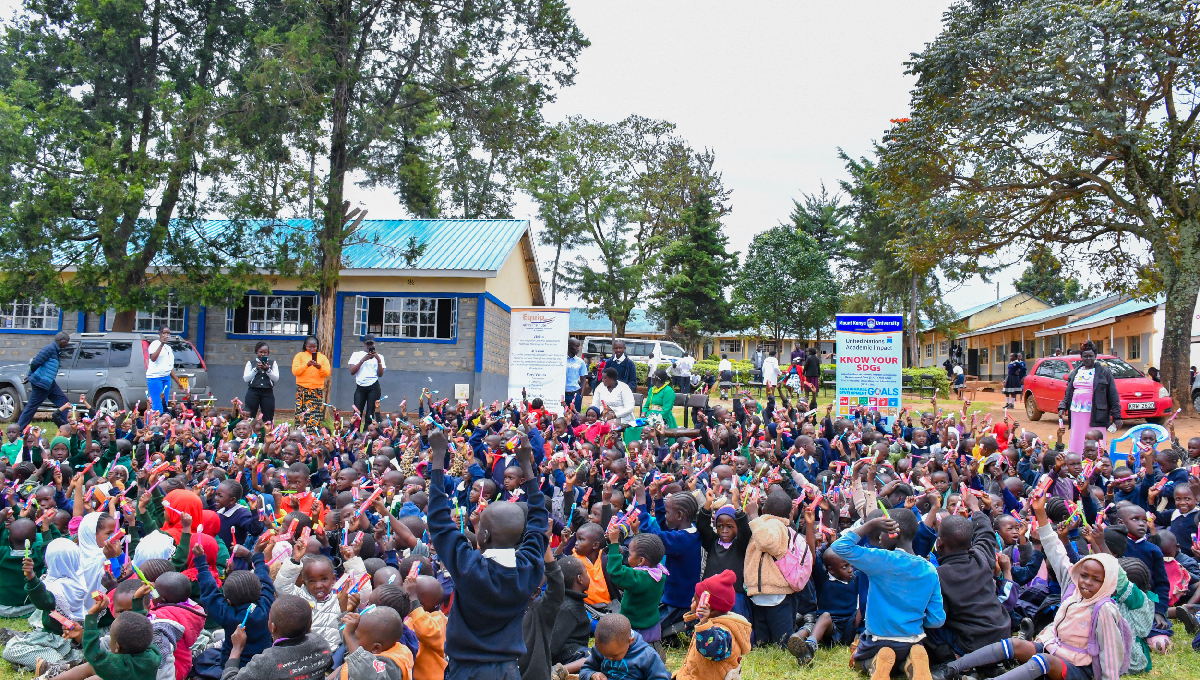
Micah Nyairo, Bungoma County Sanitation Officer, reports that this collaboration has led to a decrease in bilharzia infections in the rural villages through the free distribution of deworming drugs to schools and the community at large.
Apart from distribution of deworming drugs, AIHD has also been carrying out community sensitization programs where they educate the masses on the importance of maintaining high standards of hygiene especially while disposing of stool.
“Poor sanitation has been our biggest challenge in fighting the spread of bilharzia and intestinal worms, we have been educating the community on the importance of practicing water sanitation and hygiene,” said Nyairo.
Nyairo however encouraged Bungoma residents to take advantage of the mass drug distribution of the deworming medication pointing out that these Neglected-Tropical diseases have adverse effects that reduce productivity of an individual.
“Once one is infected with bilharzia, they become weak and unable to carry out their duties, children fail to go to school hence reducing school attendance rate,” he said.
He reported that pit latrine cover in the County has increased from 86.6% in 2021 to 98.2% according to the Kenya Health Information System (KHIS).
The county’s pit latrine coverage stands at 98.2%, which remains below the desired target needed to curb the spread of Neglected Tropical Diseases (NTDs) including Bilharzia.
“Our target is to achieve 100% latrine coverage, at 98.2%, we are still falling short. This gap continues to fuel the spread of Bilharzia and other neglected tropical diseases,” Nyairo said.
He says that NTDs are a group of infectious diseases caused by various pathogens such as viruses, bacteria, parasites, fungi and toxins.