

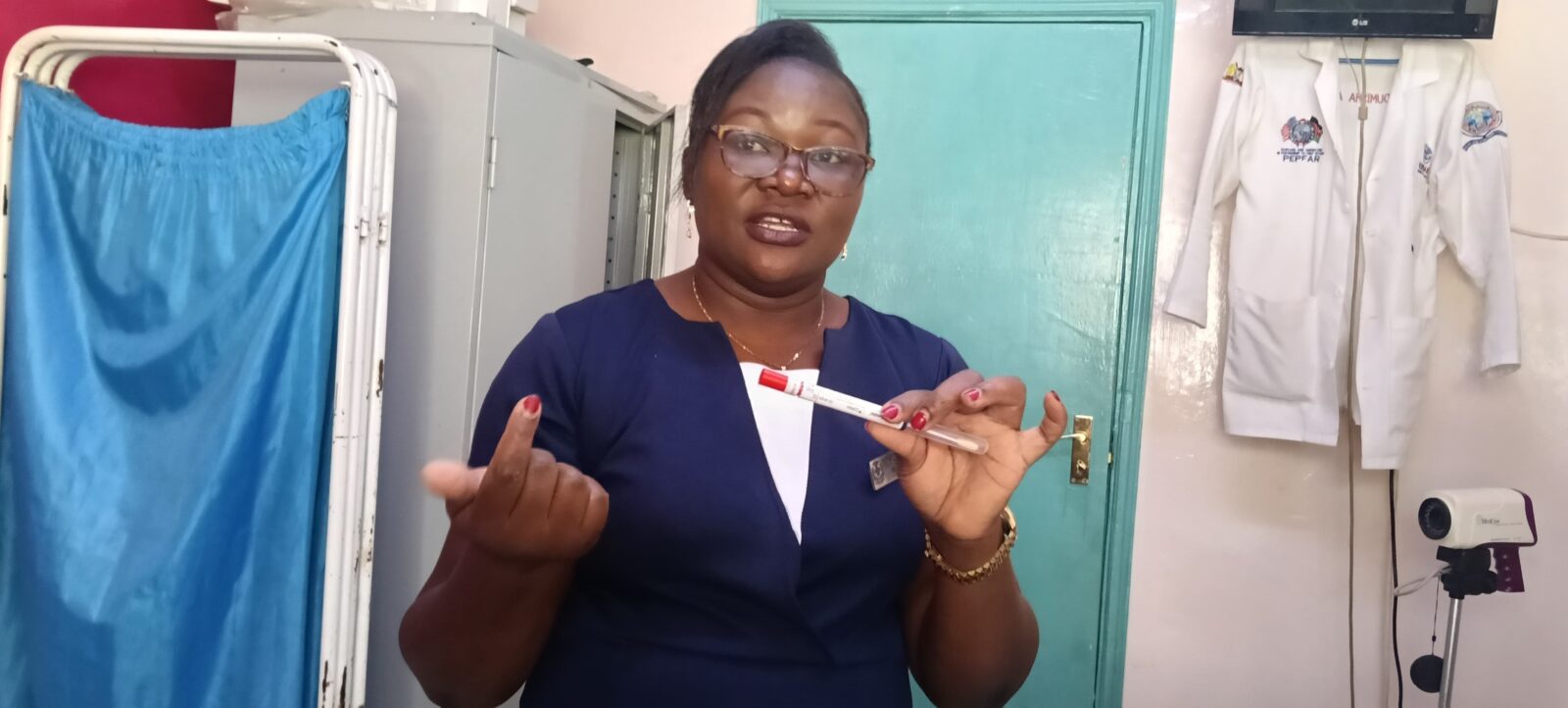
Women in Bungoma County can now test themselves for the virus that causes cervical cancer, following the introduction of HPV-DNA self-sampling technology aimed at expanding screening and catching the disease early.
The new approach is as a result of partnership between the Ministry of Health under National cancer control programme, World Health Organization (WHO) and the County Government of Bungoma.
The initiative is running in Bungoma and Nyandarua counties in Kenya.
The new approach dubbed ‘Women’s Integrated Cancer Services (WICS) in Africa’ allows women to privately collect their own samples for testing, a move experts say will break cultural barriers, reduce hospital congestion and significantly boost uptake of cervical cancer screening in the Western region.
Diviniza Ochwila, a senior reproductive health officer at Bungoma County Referral Hospital (BCRH), said cervical cancer screening was previously conducted by healthcare providers who collected samples from patients at health facilities.
She, however, noted that the county has now adopted a more comfortable and client-friendly HPV-DNA self-sample collection method, allowing women to collect their own samples either at the hospital or in the privacy of their homes.
She reported that the facility is using the Community Health Promoters (CHPs) who are picking the testing kits and distributing them to the women in the villages to collect samples for cervical cancer screening.
“Currently we are using the CHPs who come to the facilities, collect HPV-DNA testing kits, give instructions to the women, then re- collect for lab screening,” she noted.
Ochwila revealed that the new technology ensures that the results are out within a period of 24 hours making it easier for follow-up and further management.
According to the data from the Ministry of Health, cervical cancer is the second leading cause of cancer death next to breast cancer.
“The new approach to deal with cervical cancer has come in to fight the rising numbers,” she said.
The expert says that the main cause of cervical cancer is mutation of the genes, adding that it occurs over a period of time.
“When someone ages, the cells mutate and become cancerous at some point,“ she said.
She further noted that a family history of cervical cancer can increase a woman’s risk of developing the disease.
According to her, in families where a close relative such as a mother, sister or aunt has previously died from cervical cancer, other female members may face a higher likelihood of developing the condition over time.
She urged women with a family history of cervical cancer to prioritize regular screening and early testing, even if they are not experiencing symptoms.
“As genes mutate there are also things triggering the mutation; smoking, excess use of alcohol and frequent infections,” she said, adding that basically cervical cancer is caused by human papilloma virus (HPV).
“Once the results are out and the client has HPV 16 or 18, we go ahead and do a combos copy where the cervix is visualized at a close range,” she said.
She observed that early cervical cancer screening is the only way to detect the disease adding that for normal women, screening should be done after every five years.
“For those who are immune compromised like those with HIV/AIDS, they should be screened after every two years,” she said.
Further, Ochwila admitted that the new cervical cancer screening has been received well by the women.
“At Bungoma County Referral Hospital we are not only screening for cervical cancer, we are checking the mental health, the reason is that when the results come you have to know how this particular client is going to receive the results,” she said.
During the screening process, she says that clients are engaged properly in terms of mental issues, diabetes and hypertension.
“Most of women out there are just walking but they don’t know their health, a woman comes here, you screen for cervical cancer she is okay, but having high pressure,” she said.
To prevent high cases of cervical cancer in future, Ochwila reported girls between the ages of 10-14 are given HPV vaccines.
“Initially we have had two doses of HPV vaccines but right now we only have a single dose,” she said, encouraging mothers to bring their girls for HPV vaccines.
She pointed out abnormal bleeding during sexual intercourse, heavier menses, lower abdominal pains as some of the signs and symptoms of cervical cancer.
However, she clarified that abnormal bleeding does not automatically mean a woman has cervical cancer, as several other medical conditions can present with similar symptoms.
She explained that doctors always conduct further assessments to rule out other possible causes before making a diagnosis.
“There are other differential diagnoses such as endometriosis and uterine fibroids,” she said.
She added “When a woman has endometriosis or fibroids, she may also experience irregular or excessive bleeding. That is why proper screening and medical evaluation are very important before concluding that it is cervical cancer,”
She advised women experiencing similar signs and symptoms to seek medication for the specialists’ assessment. Ochwila affirmed that HPV-DNA self- sample collection is the most simple and comfortable way of cervical cancer screening recommended by the World Health Organization (WHO).
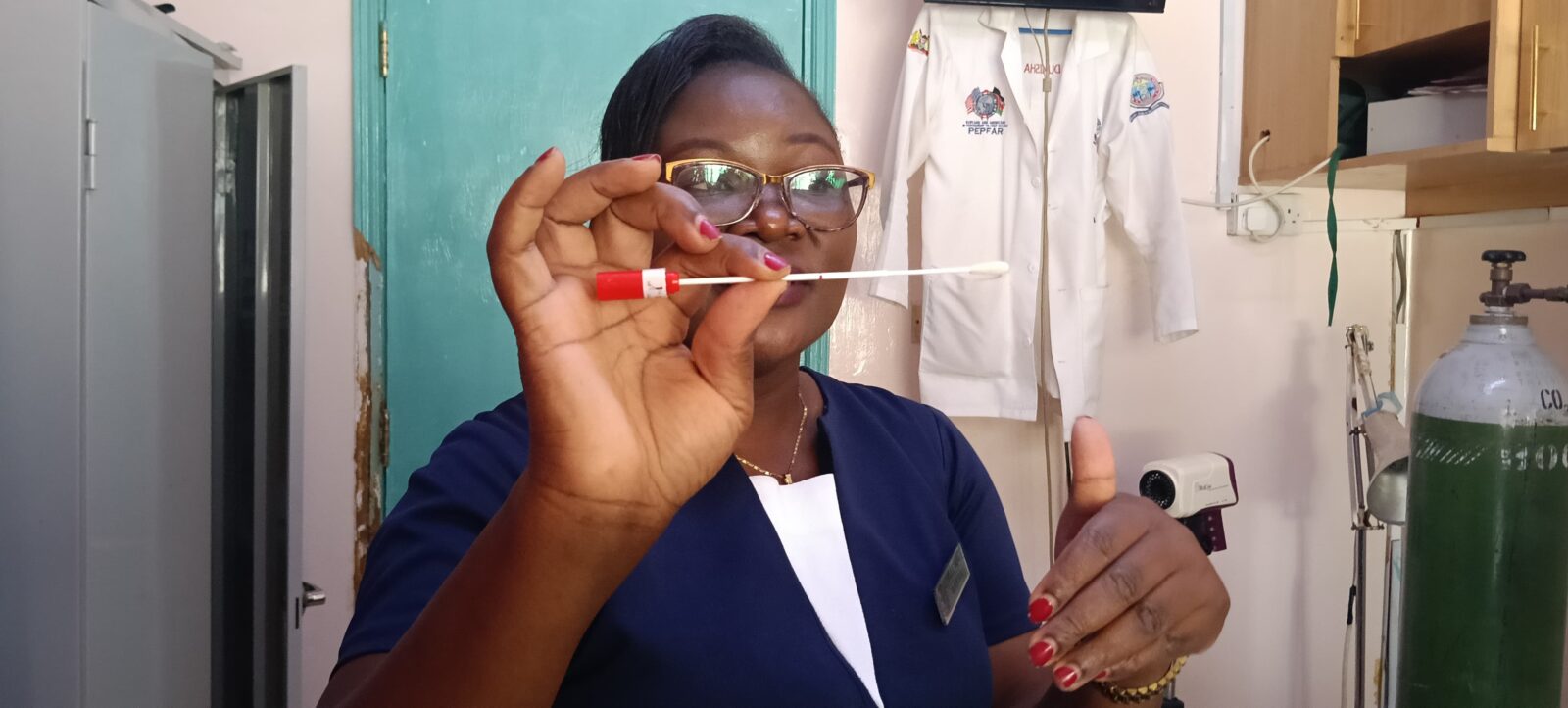
She explained that each HPV-DNA self-sampling kit is carefully packaged with clear instructional literature to guide users step by step through the procedure.
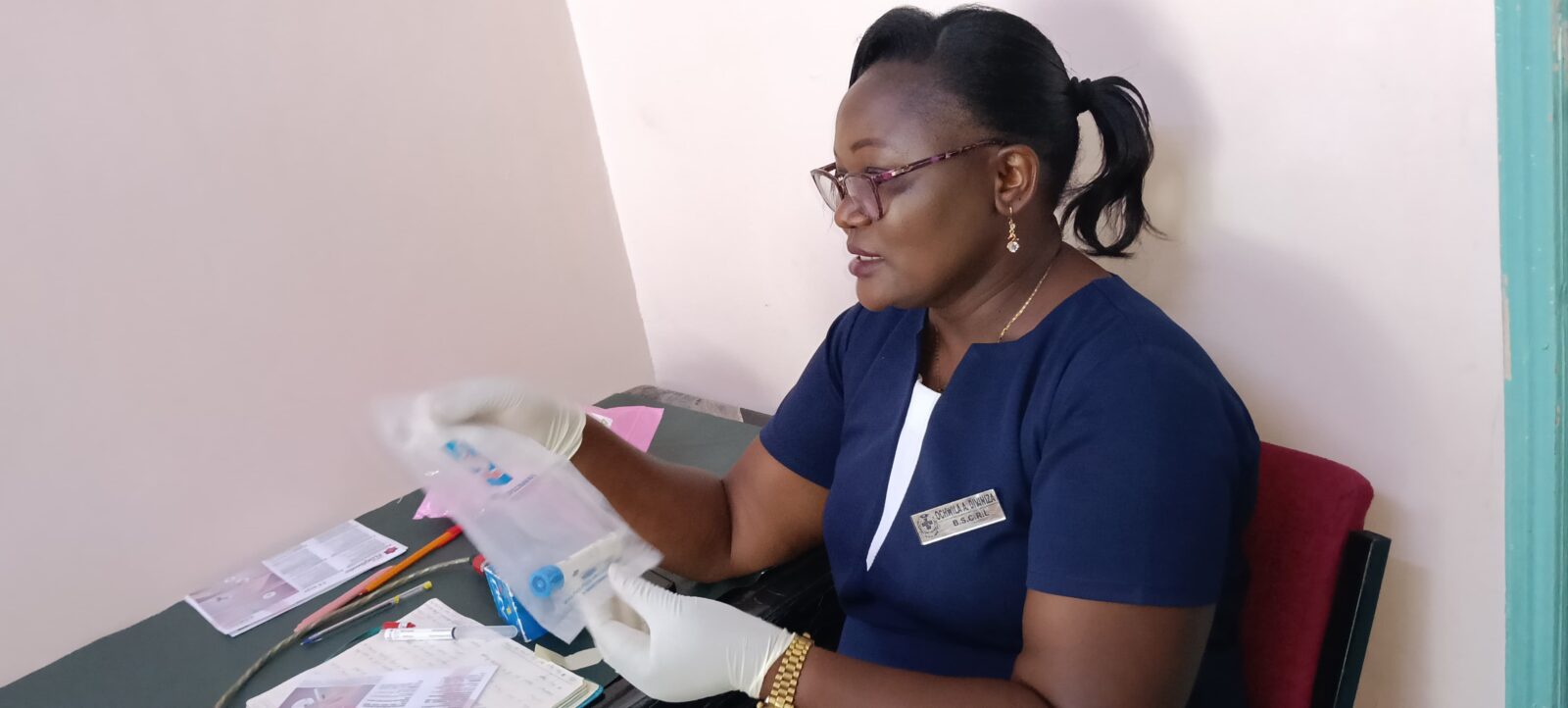
The kit contains a sterile swab, a tube with preservative solution, disposable gloves and a transparent biohazard bag for safely storing and transporting the sample after collection.
A woman is first required to wash her hands thoroughly with soap and clean water before putting on the provided gloves. She then breaks the seal of the sterile swab, slightly bends her knees or assumes a comfortable standing or squatting position and gently inserts the swab into the vagina to collect the sample.
She emphasized that the procedure should not cause pain. “If a woman feels pain during insertion, she should stop immediately,” she advised.
“The swab has a red mark that indicates the maximum level of insertion and it should not be exceeded,” she explained.
“Once inserted correctly, the swab is rotated 360 degrees about four to ten times within 20- 30 seconds. During this rotation, the swab collects cervical cells needed for HPV testing.”
After the sample is taken, the swab is gently removed and carefully placed into the tube containing the preservative solution.
The tube is then sealed tightly, placed inside the transparent biohazard bag and properly labeled with the client’s details before being returned to the health facility for laboratory analysis.
“The sample is supposed to be transported between the temperature of 5 to 25 degrees and with the preservative it can stay for a period of one month,” she said.
She says that of all clients who test positive for HPV 16 and 18, 80 percent resolve on their own while 20 percent might progress to cancer if not treated early.