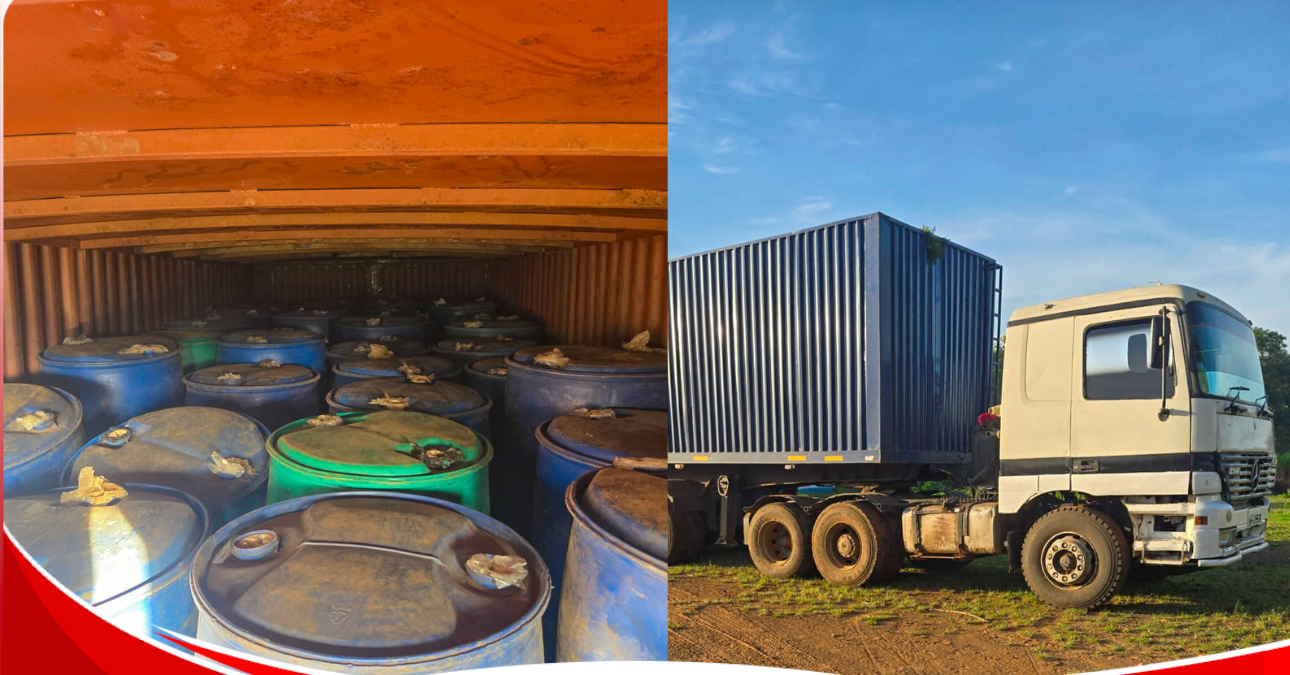

The Competition Authority of Kenya (CAK) has issued a cautionary statement to oil marketing companies over alleged hoarding of fuel products and other practices that could distort competition in the market.
In a notice dated April 10, 2026, the Authority said it had taken note of ongoing public discussions about the availability of petroleum products across the country. These include petrol, diesel, kerosene, and Jet A-1.
“The Authority has taken note of the ongoing public discourse regarding availability of various fuel products across the country, as well as statements issued by associations representing the interests of oil marketing companies,” the statement reads.
CAK emphasized that fuel is a critical commodity for the economy and warned suppliers, distributors, and retailers against deliberately withholding supply to create artificial shortages.
“Any deliberate attempt by suppliers, distributors, or retailers of fuel products to withhold supply from the market to create artificial scarcity, manipulate prices, or gain unfair commercial advantage is a prohibited practice under the Act,” the Authority said.
The competition regulator also cited concerns that some oil marketing companies may be withholding fuel or refusing to supply non-franchised retailers in anticipation of a possible price increase.
According to CAK, such conduct violates several provisions of the Competition Act. The Authority specifically pointed to Section 21(1), which “prohibits agreements or decisions, that have the objective and/or effect of preventing, distorting or lessening competition in the trade of any goods or services in Kenya.”
It also highlighted Section 57 of the law, which “prohibits unconscionable conduct in business transactions in the supply of goods and services to business consumers.”
CAK warned that firms found engaging in anti-competitive conduct could face severe penalties. These include financial sanctions of up to 10 percent of a company’s previous year’s gross annual turnover in Kenya. Individuals responsible may also face criminal liability, including fines of up to KES 10 million or imprisonment for up to five years.
Director-General David Kemei said the Authority will continue working with the Energy and Petroleum Regulatory Authority (EPRA) to monitor the situation and take appropriate action where necessary.