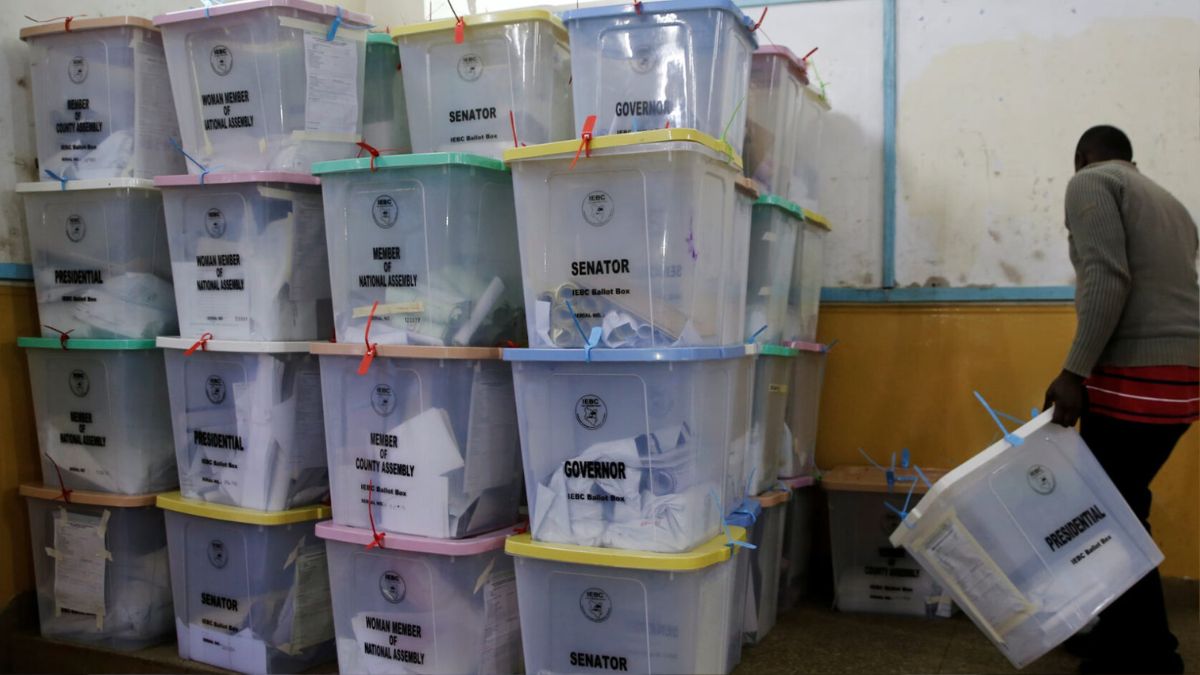
As Kenya edges closer to the 2027 general elections, political debates have mainly centred around political alliances, campaign platforms and voter registration.
An equally urgent issue has quietly emerged in the background: whether the Kenyan Security Forces can genuinely remain neutral in the 2027 elections.
In any democracy, state security actors such as the police are entrusted with protecting the integrity of the vote and the safety of all citizens, and not with advancing political interests.
Historical episodes of contested election results have shown how the police have abused their power and the grave consequences for stability, trust and democratic legitimacy that followed.
Historical shadows where trust once stood
Kenya’s political history is a reminder of what can go wrong when elections intertwine with claims of bias within state institutions.
The 2007–2008 Post-Election Violence
The aftermath of the 2007 presidential elections remains one of the darkest chapters in Kenya’s democratic journey.
Disputes over election results sparked political and ethnic clashes that left over 1,100 people dead and hundreds of thousands displaced.
Amid the violence, reports documented excessive use of force by police and security forces, alongside deadly retaliatory violence between communities.
Amnesty International raised concerns over police shootings during protests in urban centres and noted politically motivated killings by armed youths.
Human Rights Watch accused police of operating under “shoot to kill” orders, which authorities denied, insisting they acted lawfully.
Despite investigations and international involvement, many abuses remained unaccounted for, deepening public scepticism about institutional impartiality.
Research by the International Criminal Court and human rights groups revealed persistent gaps in justice for victims, including police involvement in some abuses.
The 2017 Election and Security Force Conduct
In 2017, the Supreme Court nullified the initial presidential election results, citing irregularities.
Protests followed across Nairobi, the Coast and western counties. Police again became central to controversy after human rights organisations documented unlawful use of lethal force, including live ammunition, teargas and beatings.
These incidents were particularly reported in low-income neighbourhoods with strong opposition support.
Amnesty International and Human Rights Watch documented cases in which civilians were shot, beaten or injured by police, actions following the election.
Although violence was lower than in 2007–2008, the deaths of more than 30 people in Nairobi alone reinforced perceptions that security deployments were not neutral and contributed to escalating political tensions.
2025 By-Elections
The 2025 by-elections revealed early warning signs. Election observers noted that while many polling stations operated transparently, incidents of violence, harassment and intimidation were recorded across several constituencies, with criticism directed at security agencies for failing to act decisively.
Politicised Policing and the Risk of Escalation
Recent political developments have intensified scrutiny of Kenya’s security sector beyond election periods.
Disruptions of political gatherings, allegations of selective police deployment and withdrawal of security details from opposition figures have fuelled perceptions of partisan policing.
A symbolic incident involving chaos at a church event attended by senior political leaders raised concerns about the politicisation of public and sacred spaces.
While government officials insist police actions are operational, perception remains critical.
Human rights organisations warn that persistent police impunity and uneven protest policing, risk pushing political grievances into the streets, heightening the danger of escalation.
Written by Nicole Kui, TV47