The ongoing debate over the proposed Religious Organizations Regulation Bill has reignited tensions between the church and the State, with clerics across the country terming the draft law an attempt to muzzle religious freedom and undermine the church’s autonomy.
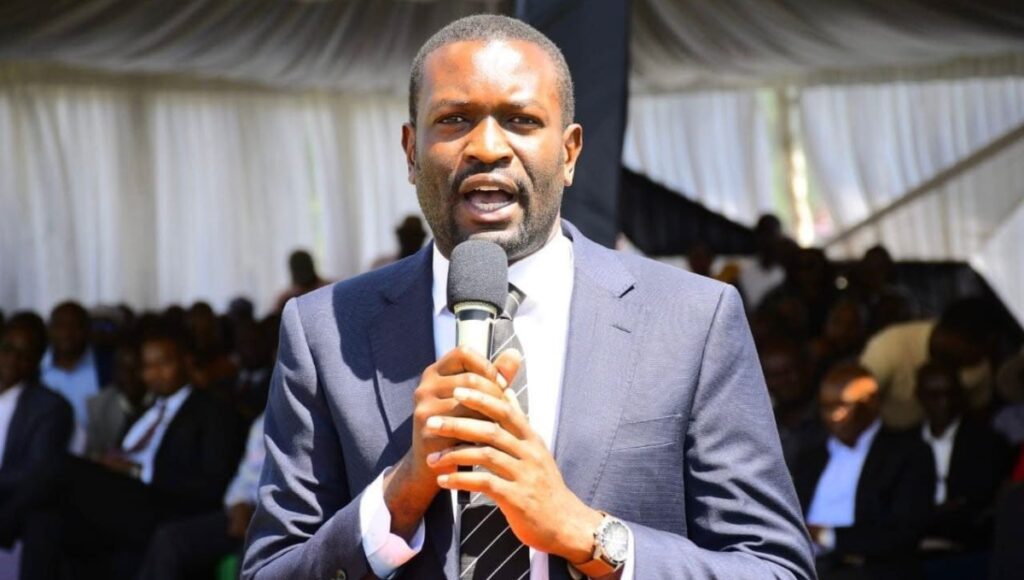
Speaking in Awasi, Nyanza Regional Chairman of the National Council of Churches of Kenya (NCCK), Bishop Clement Oguta, led clergy in denouncing the bill, warning that it represents an unnecessary intrusion into the internal affairs of faith-based institutions.
“The Church is self-regulated, with a strong leadership structure and long-standing moral responsibility to its congregants. The government should keep off church matters and instead work with us to promote ethical governance and national unity,” Bishop Oguta said.
He reminded legislators that the Church has historically stood by them during elections and urged them to stand firm for the church by rejecting what he called a legislative trap that seeks to spite the mutual relationship between the Church and the State.
The Religious Organizations Regulation Bill, currently under committee review in Parliament, seeks to streamline the registration, financial reporting and operational standards of religious institutions across the country.
If enacted, the law would require all churches, mosques and faith-based groups to:
●Register with a designated national regulatory authority.
●File annual financial returns and disclose sources of funding.
●Ensure all clergy meet minimum theological training and accreditation standards.
●Submit to routine audits and governance assessments to promote accountability and transparency.
Supporters of the bill argue that it is long overdue, following rising concerns over financial scandals, cultic practices and exploitative sects that have in recent years misled or harmed followers.
Proponents within government say the legislation aims to protect worshippers and restore public trust in faith-based organizations.
They point to cases where rogue pastors have exploited believers through false prophecies, extortion, or unsafe rituals, insisting that such incidents expose gaps in the current self-regulation system.
“The bill is not against religion. It seeks to protect Kenyans from spiritual and financial abuse, just as we regulate other professions,” said a senior parliamentary source close to the committee.
Supporters also argue that regulating religious entities will enhance transparency, curb money laundering and align the sector with national financial integrity laws.
However, the Church views the move as a direct assault on constitutional freedom of worship.
Clerics say that imposing government oversight would erode centuries-old independence of religious institutions and open the door to political interference in spiritual matters.
“This bill will create a tool for future regimes to control what is preached from the pulpit,” Bishop Oguta warned. “It risks weaponizing regulation to silence the moral voice of the Church,” he added.
They argue that the Church already operates under established internal codes, councils and theological associations that manage discipline and ethical conduct among clergy.
Should Parliament approve the proposed law, every religious organization will be required to re-register within a specified period and comply with new operational rules or risk suspension of licenses.
Critics warn that many small community churches could be shut down for failure to meet financial or academic thresholds, while others could lose their legal standing over bureaucratic technicalities.
Legal experts also caution that the bill could trigger constitutional challenges, with faith groups likely to petition the courts for protection under Article 32, which guarantees freedom of conscience, religion and belief.
As Parliament prepares for public participation hearings, both the government and faith leaders face mounting pressure to find common ground.
Bishop Oguta urged the State to prioritize dialogue over confrontation, proposing that resources be directed toward strengthening the existing collaborative structures rather than creating new oversight bodies.
“The Church and the government have always walked together for the good of the people. Let us build on that partnership instead of dismantling it,” he said.
Oguta, who was flanked by friends from Norway, spoke during an annual fortnight youth tournament hosted at Angoro primary and junior secondary school, an initiative that aims to foster peace and unity between the Luo and Nandi communities along the once volatile borders of Kisumu and Nandi counties.
For now, the fate of the controversial bill remains uncertain as Kenya seeks to enter a new phase in the delicate balance between faith and regulation, with the outcome likely to shape how religion operates in the country for generations to come.