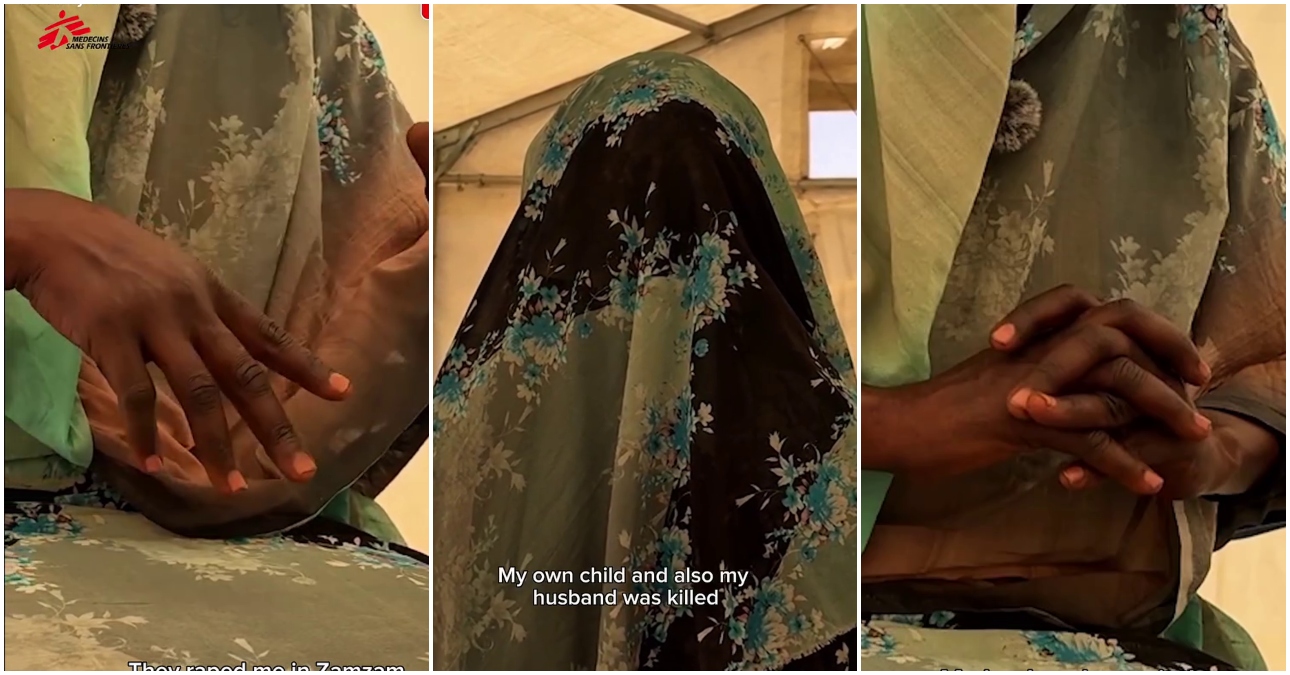
One of the most devastating aspects of conflict in countries is the scale of sexual violence. Conflict does not just become a consequence of war but a defining feature of sexual violence.
As Sudan’s war approaches its fourth year in April 2026, the humanitarian crisis continues to deepen. Civilians especially women and girls are paying the highest price.
Across Darfur for instance, people are facing relentless violence, killings, displacement, torture, and widespread sexual abuse. Hospitals, aid workers, and essential infrastructure have also been repeatedly targeted, leaving communities with little protection or support.
It is disturbing and utterly wrong that Sexual Violence has since been magnified to a Weapon of War. Reports of conflicting parties raping and maiming the women of their opponents, rife despite the many efforts to ending gender based violence.
Data collected by Médecins Sans Frontières (MSF) between 2024 and 2025 paints a disturbing picture:
*Over 3,300 survivors of sexual violence sought care in Darfur
*97% of them were women and girls
* Many survivors were children, some under five years old
* Most perpetrators were armed men
Survivors describe being attacked during everyday activities like when they are out fetching water, farming, or traveling. Others were assaulted while fleeing violence.
In many cases, attacks involved multiple perpetrators, extreme brutality, and public humiliation.
Sexual violence in Darfur is not limited to active battle zones. Even in areas far from the frontlines, women and girls remain at constant risk.
The report highlights that In South Darfur, survivors reported assaults:
* On roads and in markets
* In farms and fields
* Inside their own homes
* During displacement
For many, leaving home to find food or water can mean risking assault. One survivor opines that, the only perceived safety is staying indoors yet even that is not guaranteed.
Sexual violence in Darfur is viewed as Pattern Rooted in Impunity, deeply tied to decades of conflict and weak accountability systems. Survivors frequently identified armed groups as perpetrators, particularly during major escalations such as the then attack on Zamzam displacement camp in April 2025 and the fall of El Fasher in October 2025.
In these moments, sexual violence was used systematically to terrorize communities, punish civilians, and in some cases, target specific ethnic groups. Sadly the violence does not end when fighting subsides; It continues in daily life, fueled by insecurity, displacement, and the breakdown of social protection systems.
Beyond the scale of crisis, survivors face enormous challenges in accessing help. Stigma and fear prevent many from speaking out, Long distances and insecurity make travel to clinics dangerous, Limited services mean many never receive care and Attacks on healthcare facilities disrupt treatment
Common delays get survivors reaching medical facilities, sometimes months after the assault, reducing the effectiveness of treatment. The MSF report projects a possible Failing Humanitarian Response with a major gap in protection services across Darfur.
* There are few safe spaces for women and girls
* Limited psychosocial support
* Weak or non-existent referral systems
* Underfunded local organizations
Local groups continue to work under extremely difficult conditions, they lack the resources needed to respond to the scale of the crisis.
Despite unimaginable trauma, survivors are speaking out about what they need. They are calling for
An end to sexual violence and impunity, Access to free, confidential medical and psychological care, Safe spaces and protection services, Support for rebuilding their lives, Stronger community awareness to reduce stigma and above all, justice, safety, and dignity.
The situation in Darfur mirrors that of so many other African countries. It is not just a humanitarian crisis it is a failure of protection and accountability for human life.
It is critical that these wars end, Warring parties must stop sexual violence and allow humanitarian access, International actors and donors should increase funding and pressure for accountability, Aid organizations and UN agencies must scale up services on the ground and there should be an urgent and coordinated action otherwise the cycle of violence will continue.
Survivors should be encouraged to speak despite the risks.
And until meaningful action is taken, the world cannot continue to look away.