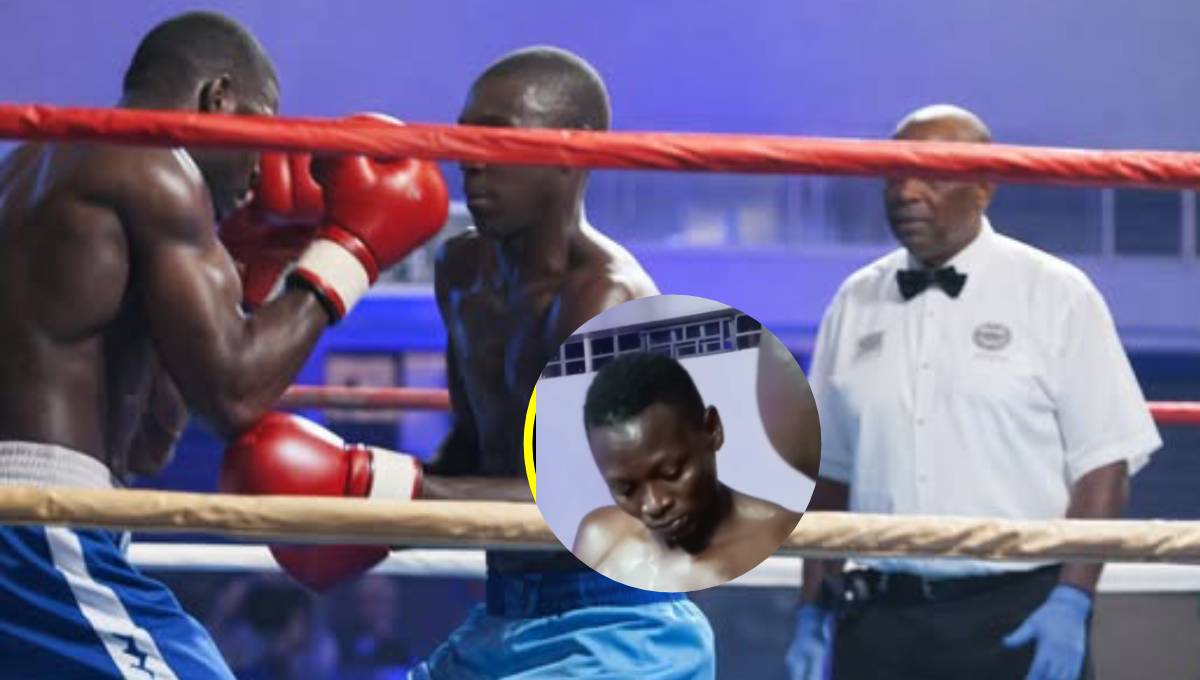
The tragic death of Kenyan boxer Jacob Oyoko has once again cast a harsh spotlight on athlete safety and welfare in the country’s sporting landscape.
Oyoko, a professional fighter from Kisumu, died following a bout over the weekend, sending shockwaves across the boxing fraternity and the nation at large.
However, the Kenya Professional Boxing Commission (KPBC) has defended its handling of the fatal incident in Mumias, even as it proposes sweeping reforms to strengthen athlete safety following the death of Jacob “Jack Spoiler” Oyoko.
In a statement, the commission described his passing as a devastating loss, while also terming the incident a “tragic occurrence within the recognized risks inherent in professional boxing,” maintaining that there is no immediate evidence of a regulatory or procedural breach.
According to the commission, emergency medical protocols were immediately activated at ringside, with Oyoko receiving urgent care, including CPR, oxygen support, and transfer to hospital.
Relevant authorities, including the police, the Ministry of Sports, and health officials, have since been notified.
An independent investigation has also been launched, with a review committee comprising medical experts, legal professionals, and senior boxing officials tasked with examining the circumstances surrounding the bout.
The probe will examine critical areas such as pre-fight medical screening, weight management, hydration protocols, ringside medical response, and officiating decisions.
A post-mortem examination has also been requested in line with the law.
As the nation mourns, the incident has reignited difficult but necessary conversations about the structural challenges facing combat sports in Kenya.
Questions around athlete welfare, medical preparedness, and the pressures fighters face to compete — sometimes under unsafe conditions are once again at the forefront.
For many within the sports industry, this tragedy is not an isolated case but a reflection of deeper systemic issues.
Instances where athletes step into competition while unwell, under financial pressure, or without adequate safeguards continue to raise concern.
Critics argue that the balance between competition and safety has, in some cases, tilted dangerously.
The KPBC has reaffirmed its commitment to strengthening safety standards, promising stricter enforcement of medical protocols, improved pre-fight screenings, and enhanced ringside measures.
The commission also pledged support to Oyoko’s family, including assistance with funeral arrangements and access to entitled benefits.
Beyond the official response, Oyoko’s death serves as a stark reminder that sport must never come at the cost of human life.
As stakeholders reflect on the way forward, there is growing consensus that reforms must go beyond policy and translate into real protection for athletes.
Boxing, like all sport, is built on courage and discipline but also on responsibility. Ensuring that fighters are protected before they step into the ring may be the most important fight of all.