One of Kenya’s most promising clean-cooking startups has collapsed, leaving 700 people without jobs and 1.5 million households at risk of losing access to cleaner fuel.
Koko Networks shut down this week after emergency board meetings failed to save the company. According to sources who spoke with TechCabal, the startup faced bankruptcy following a dispute with the government over carbon credits the financial foundation of its entire business model.
When authorities refused to issue a crucial authorization letter, the company had no path forward.
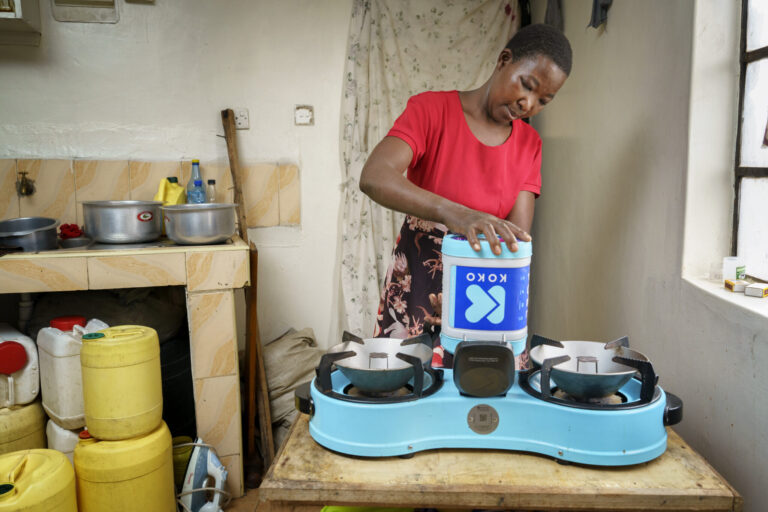
The closure couldn’t come at a worse time. Koko had built something genuinely transformative: over 3,000 automated refueling stations across Kenya, a network of thousands of agents, and affordable clean fuel for families who’d otherwise burn kerosene and charcoal.
These aren’t minor details. Kerosene and charcoal fill homes with toxic smoke, damage lungs, and contribute to environmental pollution.
Now, those 1.5 million households may have no choice but to return to these harmful fuels, erasing years of progress in reducing indoor air pollution.
For the 700 employees suddenly unemployed, the timing is brutal. Clean-energy jobs aren’t easy to find, and many had built their livelihoods around Koko’s mission.
The bigger picture is equally troubling. Koko’s collapse exposes the fragility of Kenya’s clean-energy sector.
Startups in this space depend heavily on government approvals and regulatory support. When bureaucratic processes stall or fail, entire companies can vanish overnight—taking jobs, innovation, and environmental progress with them.
Investors watching from the sidelines are likely reconsidering their bets on Kenyan green technology. If a company serving 1.5 million people can disappear over a single authorization letter, how safe are other ventures?
Kenya has ambitious climate goals and a growing reputation as a hub for innovation. But Koko’s shutdown raises an uncomfortable question: what good are green energy ambitions if the regulatory framework can’t support the companies trying to deliver them?
For now, hundreds of families face unemployment, millions face dirtier cooking options, and Kenya’s clean-cooking revolution has hit a devastating roadblock. The gap Koko leaves behind won’t be easy to fill.