Migori County faces a persistent challenge in keeping learners in school. According to the 2022 Kenya Demographic and Health Survey, nearly 22 percent of girls aged 15 to 19 in Migori County have ever been pregnant. This is higher than the national average and remains one of the highest rates in the country.
Teenage pregnancy is a major cause of school dropout, especially for girls. Many young mothers leave school due to childcare and economic pressures. Repeated adolescent pregnancies, where nearly a third report more than one pregnancy, worsen the cycle of school exclusion.
Sexually transmitted infections and HIV also undermine student health and attendance. Regional health reports show that STIs remain common among adolescents. Low contraceptive use, limited sexual health education and barriers to youth-friendly services contribute to the problem.
Leading Causes of Dropout
Beyond teenage pregnancy and STIs, poverty and financial constraints drive many students out of school. Families often cannot afford school fees, forcing children to work or marry.
Cultural practices and early marriage increase pregnancy risks and dropout rates for girls. Household responsibilities, including domestic work or income-generating tasks, also contribute.
Inadequate school facilities and poor learning environments discourage consistent attendance. These factors interact, making students more vulnerable to risky behavior and eventual dropout.
Mentorship as a Prevention Strategy
The Ministry of Education has intensified efforts to achieve 100 percent transition and retention. It has partnered with development organizations to implement mentorship programs.
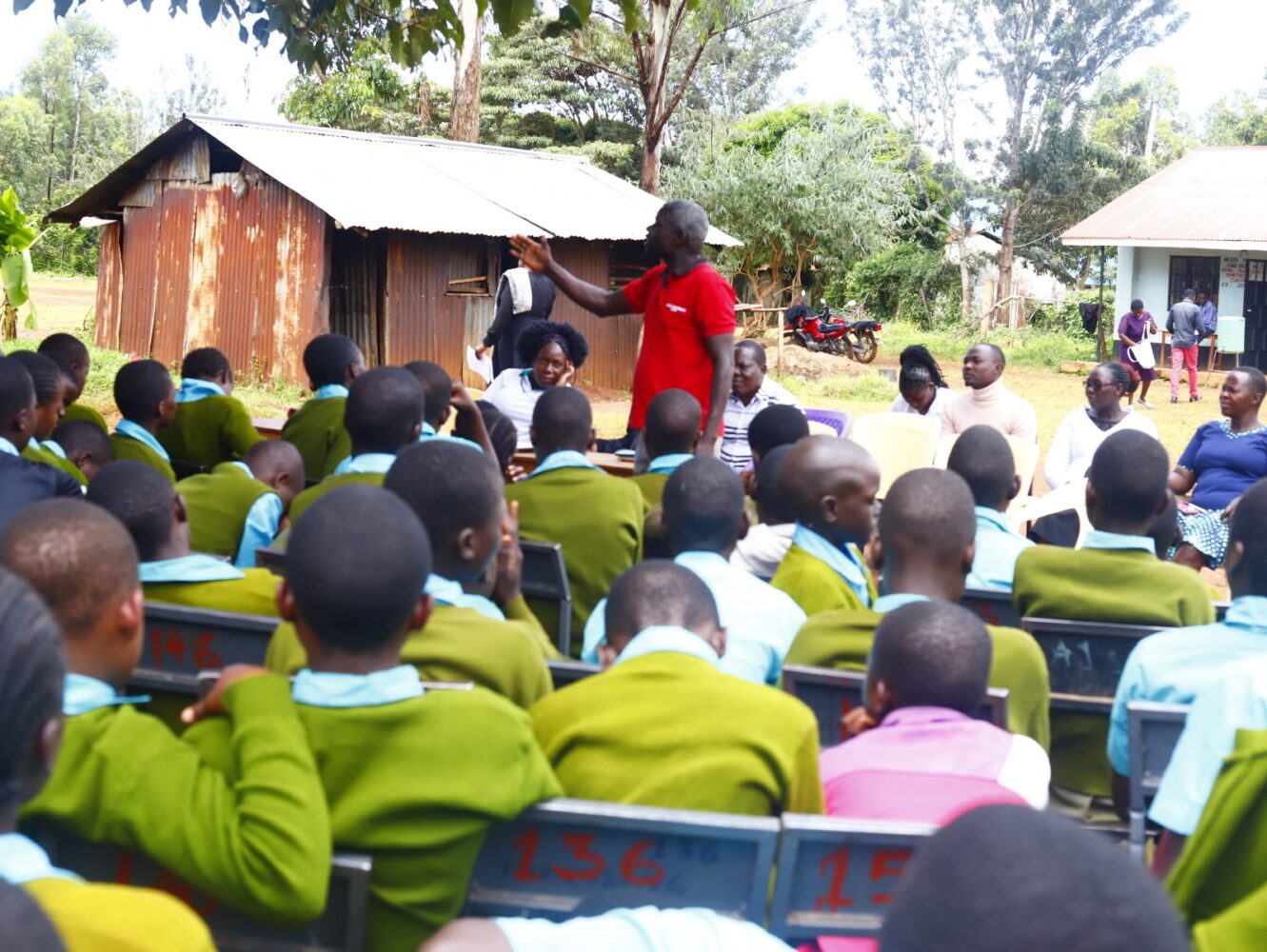
The programs are interactive and youth-friendly. They use humor, storytelling and open discussions to create belonging and engage students. Learners are encouraged to reflect, ask questions and develop life skills.
By turning mentorship into a conversation, young people rethink risky behaviors and make informed choices. This approach fosters trust and encourages students to remain in school.
Anjego Comprehensive School: A Pilot Program
Anjego Comprehensive School is one of the first to implement the mentorship model.
“This initiative will help reduce early pregnancies and keep more learners in school. It makes lessons engaging and relatable for our students.” Head of Institution, Mwita Nyangi, said.
Students participate in role-plays, scenarios and humorous exercises. This creates a culture where learners feel valued and understood rather than judged. It directly improves attendance and engagement.
Inclusive Approach: Boys and Parents
Mentorship targets both boys and girls.
“Parental support is key. When learners, families, and schools work together, we see lasting impact in keeping children in school.” Vivian Awuor from Echo Network Africa Foundation emphasized.
Involving boys ensures shared responsibility for sexual health. Parental participation reinforces lessons learned at school and promotes lasting behavior change.
Why This Matters
This mentorship strategy moves beyond traditional awareness campaigns. By meeting students where they are socially and emotionally, it prevents dropout before it starts.
In a county with high adolescent pregnancy rates, poverty and cultural pressures, such programs are essential. Early results from Anjego Comprehensive show promising engagement and increased awareness. Officials hope the approach can be scaled across Migori County and nationwide.