The afternoon sun hung low over Kanyakwar village on Sunday, glinting on the still water of an abandoned quarry. It was a quiet day, ordinary and unremarkable, until four brothers from the Otieno family wandered out after lunch to fetch water and play.
Hours later, their laughter was replaced by wails. Villagers searching for the missing boys found their slippers and clothes at the quarry’s edge. Beneath the murky surface, rescuers pulled out all four, lifeless and side by side.
“It is a pain no parent should ever know,” murmured a relative as the crowd fell silent. “They were always together, even in death.”
The tragedy gripped Kisumu. Officials visited, condolences poured in and television cameras rolled. Yet even before the family could begin planning the burial, politics intruded.
Politics at the doorstep of grief
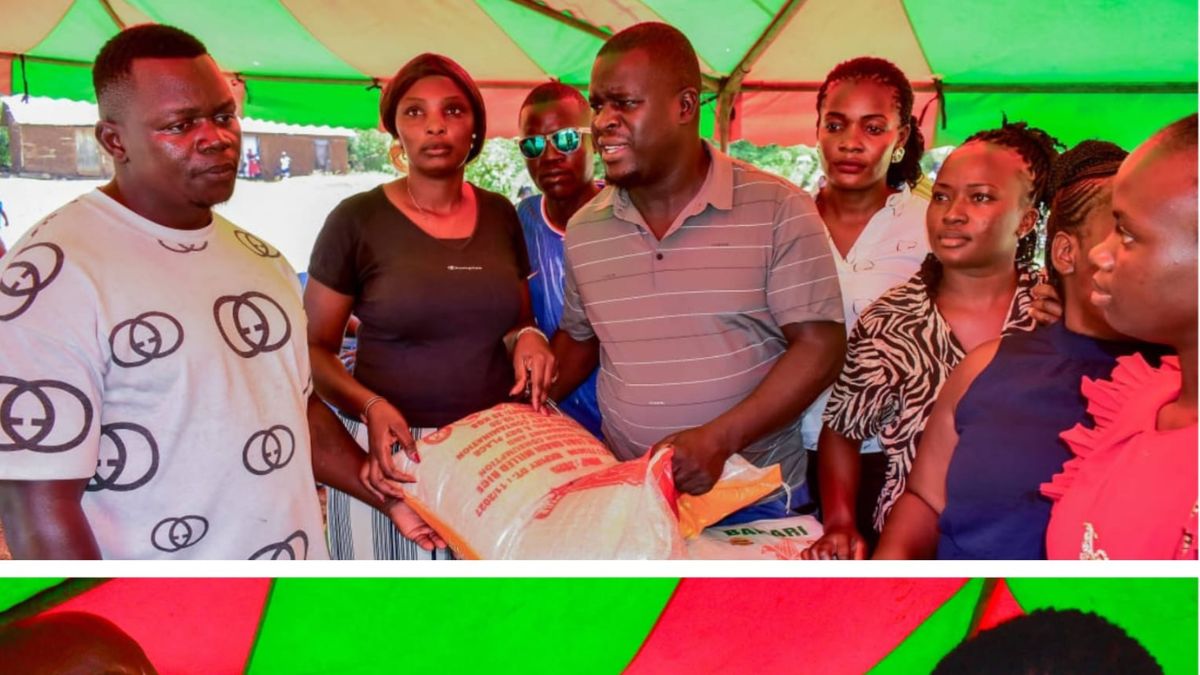
Two Kisumu gubernatorial hopefuls, both keen to demonstrate empathy, arrived separately at the home, ably represented. Each ordered the purchase of four coffins for the deceased children, complete with camera crews, campaign aides and social-media teams.
Within hours, images of the donations flooded Facebook and WhatsApp groups, accompanied by captions praising each aspirant’s generosity. Supporters traded claims online, each asserting that their candidate had “stood with the people.”
“In support, my team handed over receipts for the purchase of four coffins and provided foodstuffs to assist the family as they prepare for the burial.
My thoughts and prayers are with the family during this painful time,” read part of a statement from the area MP, Dr. Joshua Oron.
“In a heartfelt show of compassion, the Professor provided foodstuffs to support the family as they received mourners during this painful period. He also took responsibility for the burial arrangements by providing four coffins,” said an official representing the Kisumu Senator, Professor Tom Ojienda.
But what was meant to be condolence soon turned to confusion. The family now found themselves surrounded by eight coffins, all purchased in their name, before any official funeral plan was made.
“What are we supposed to do with eight coffins?” an elder asked quietly. “Our pain has become a show.”
When compassion becomes optics
The spectacle has stirred unease across Kisumu, exposing how far political tokenism has seeped into local culture. Acts of generosity, once sacred in times of loss, are now choreographed for the camera and polished into content for political gain.
Analysts describe it as “the perfection of token politics,” where gestures replace governance and human suffering becomes a backdrop for ambition.
“Leaders have learnt that visibility is more valuable than sincerity,” said a community activist in Kondele. “People no longer measure compassion by what is felt, but by what is posted.”
County response and wider reckoning
In the wake of the tragedy, Governor Prof. Anyang’ Nyong’o suspended all mining and quarry operations across Kisumu County and ordered a safety audit in partnership with the National Environment Management Authority (NEMA).
“These sites have become death traps,” he said. “We must act decisively to protect our communities.”
The directive was welcomed, but for Otieno’s family, policy pronouncements offered little comfort. They are left to navigate not only their grief but also the cultural confusion that political showmanship has brought to their doorstep.
The empty silence of Kanyakwar
As dusk falls again over Kanyakwar, Otieno’s compound is eerily quiet. The laughter of four brothers has been replaced by whispered prayers and the uneasy glare of eight coffins in total, a symbol of loss compounded by spectacle.
For Kisumu, the tragedy is more than a family’s sorrow. It is a mirror held up to a society where compassion is staged, and grief becomes another campaign platform.
In the end, the question lingers like the still water in that quarry: when politics invades mourning, what remains sacred?