

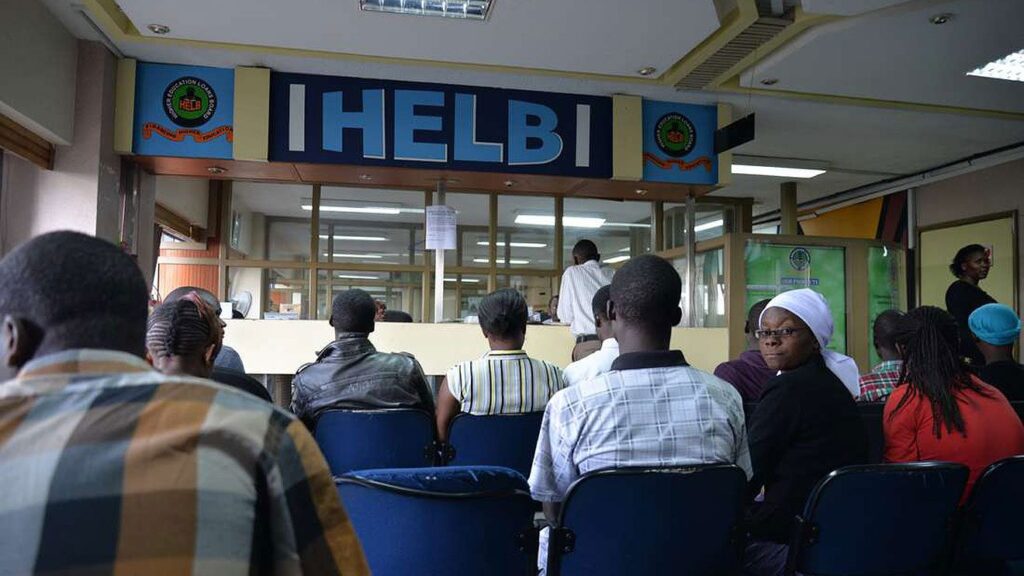
The student loan crisis in Kenya has grown to a critical level. The Higher Education Loans Board (HELB) is now taking its toughest stance yet by introducing strict penalties for employers as it works to recover billions in unpaid loans.
According to HELB, employers who fail to report workers with HELB loans will be fined Sh3,000 per month per employee, with the penalty backdated to the employee’s hiring date. Individual defaulters face a Sh5,000 monthly penalty.
Additionally, HELB wants employers to deduct 15% directly from loan holders’ salaries, shifting the compliance burden onto workplaces. The situation is dire, with over 923,000 beneficiaries across roughly 20,000 companies owing a combined Sh117 billion.
Addressing this debt is a major challenge. The policy assumes something Kenya cannot fully guarantee, stable, formal employment. Many graduates are either unemployed or working in the informal sector, where payroll deductions are not possible. Most repayments remain voluntary, highlighting how inconsistent employer reporting really is.
Kenyans have responded strongly, saying it’s unfair to penalize graduates struggling to find employment. Others are calling for student loans to be reclassified as grants. Meanwhile, longstanding issues with HELB’s inefficiencies, including unrefunded overpayments, are resurfacing at a difficult time.
The main question remains: can a penalty-based system truly solve a debt crisis rooted in unemployment and economic instability? For many young Kenyans carrying this debt, that question no longer feels theoretical but personal.