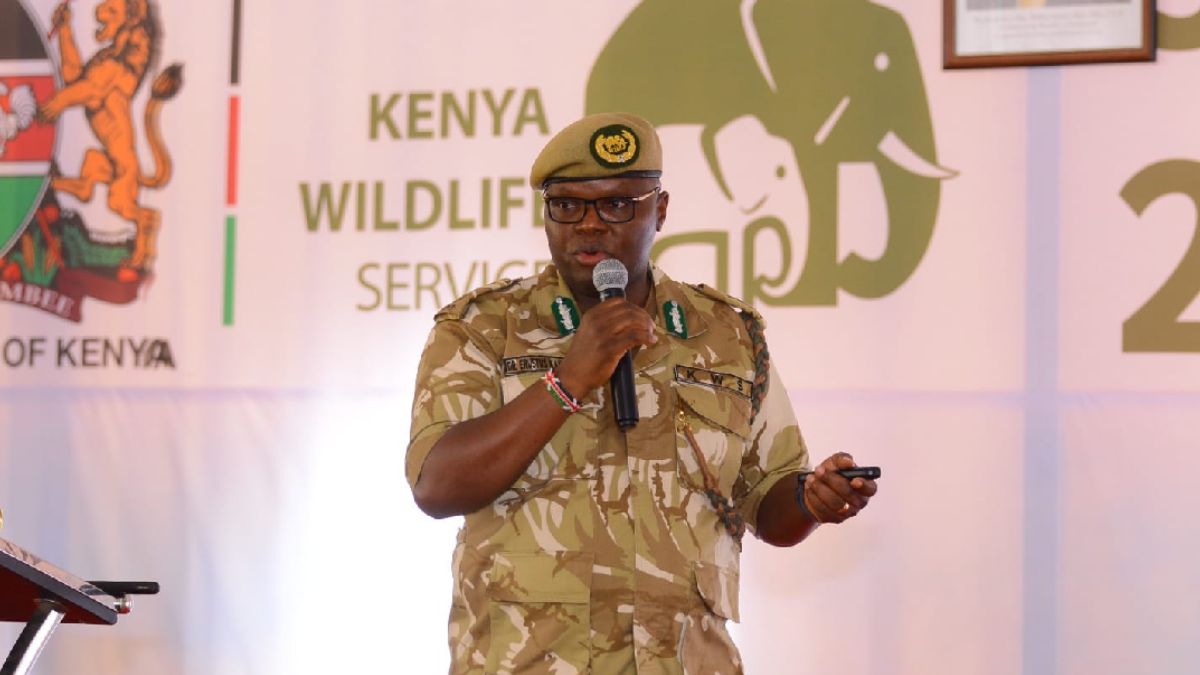
Kenya’s wildlife sector is undergoing a remarkable shift, driven by bold reforms and a renewed conservation vision under the leadership of Kenya Wildlife Service (KWS) Director General, Prof. Erastus Kanga.
Through science-based management, strengthened community partnerships, and enhanced security operations, KWS is reshaping the future of conservation and ensuring long-term stability for wildlife populations.
One of the key pillars of this transformation is the emphasis on annual veterinary interventions. These operations, guided by Prof. Kanga, provide essential medical support, rescue wounded wildlife, and protect endangered species.
This sustained approach has played a significant role in improving animal health and supporting species recovery across the country. KWS has also made major strides in addressing human wildlife conflict, a long-standing challenge for communities living near protected areas.
New outposts and expanded rapid response teams have improved response time, while recently established wildlife barriers have enhanced safety for thousands of families. These measures reflect a deliberate effort to balance conservation needs with community wellbeing.
Complementing these efforts are community support projects rolled out in eight counties. Initiatives such as predator-deterrent bomas continue to reduce livestock losses and build trust between communities and KWS.
These programs highlight Prof. Kanga’s commitment to ensuring that conservation generates real, shared benefits for the people living closest to wildlife.
Under his leadership, the KWS Strategic Plan 2024–2028 is charting a modernized path for conservation. The plan focuses on improving wildlife protection, strengthening institutional capacity, and enhancing service delivery to the public. One major achievement has been the successful recruitment of rangers and cadets in all 47 counties, significantly boosting enforcement and surveillance capabilities nationwide.
KWS has also undertaken large-scale species management operations, including several translocations across Kenya. The largest operation involved moving 50 elephants from Mwea to Aberdare National Park to reduce conflict and restore ecological balance. These science-driven decisions are crucial for sustaining healthy wildlife populations and protecting key ecosystems.
Across all these reforms, Prof. Kanga continues to emphasize an integrated conservation model, one that combines technology, community partnerships, and scientific research. This approach is positioning KWS as a future-oriented institution ready to address emerging challenges and secure Kenya’s wildlife heritage for generations to come.