Farmers in the Western region have been cautioned against purchasing counterfeit seeds as the long rainy planting season begins amid concerns that unscrupulous traders are flooding the market with fake and substandard farm inputs.
Agricultural experts warned that the use of counterfeit seeds could result in poor germination rates, low yields and heavy financial losses for farmers who rely on the season for food and income.
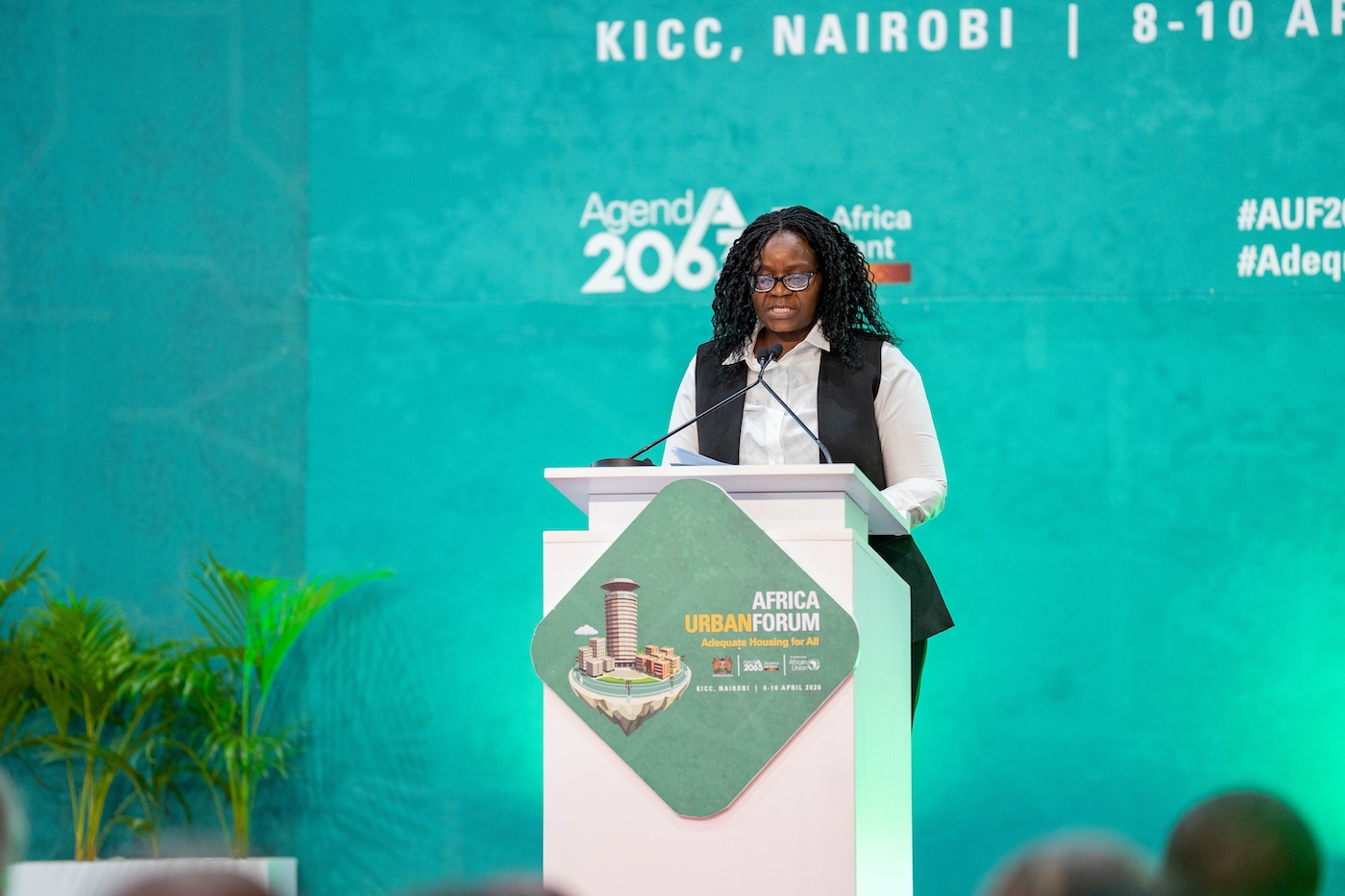
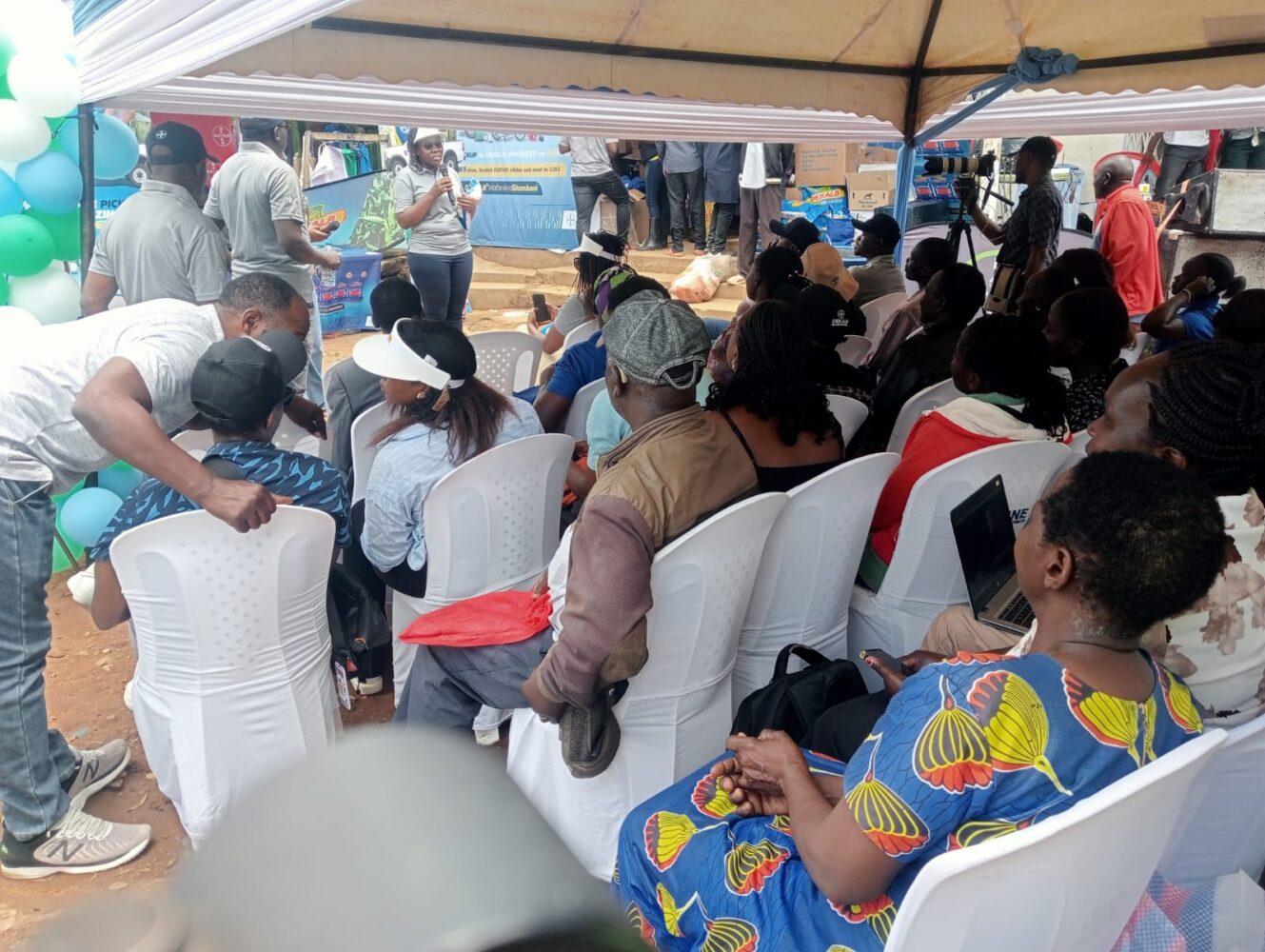
Speaking during a farmers’ sensitization forum in Bungoma on Friday, Everlyne Musyoka, head of Bayer East Africa urged farmers to purchase certified seeds from accredited agro-dealers and to verify packaging details before making purchases.
Musyoka said that the organization’s focus is to empower smaller holder farmers reporting that 80 per cent of the food consumed across Sub- Saharan Africa are from small holder farmers.
“The small holder farmers are the ones responsible for the foodstuffs consumed across the region that is why we are determined to empower them with information and approaches,” Musyoka affirmed.
Further, she said that the food security conversation is centered at ensuring that farmers get the correct information and are aware where they should buy farm inputs.
She added, “Farmers should be very careful when buying seeds. Check for the certification label, expiry date, batch number and ensure the packaging has not been tampered with. Counterfeit seeds may look genuine but will not perform in the field,”
She further noted that fake seeds often have poor germination rates, are susceptible to pests and diseases and fail to mature uniformly, leading to significant crop losses.
She encouraged farmers to report suspicious dealers to the relevant authorities for action, advising farmers to avoid buying seeds from hawkers or unregistered vendors operating in open-air markets.
Musyoka emphasized the importance of early land preparation, proper spacing, soil testing and timely planting to maximize yields during the rainy season.
She revealed that the organization targets to reach 21 million farmers in low middle countries to ensure that small farmers who are responsible for 80 percent produce more.
She said that all seeds that are certified by Kenya Plant Health Inspectorate Service (KEPHIS) have a sticker.
“The entire seeds industry has a way of ensuring that farmers are getting the right farm inputs, every seed that is certified in the country by KHEPHIS has a sticker in every packet whether you are buying vegetable seeds,” she added.
She encouraged farmers to scratch the sticker that contains a number which they sent to an SMS 1379 to make sure that the seeds aren’t counterfeit.
“The moment they scratch the code and send it, they get information telling them if the seed is counterfeit or not,” she said.
Everlyne Wafula, a maize farmer applauded the organization for organizing the farmers’ sensitization ahead of the planting season affirming that the information will help boost yields.