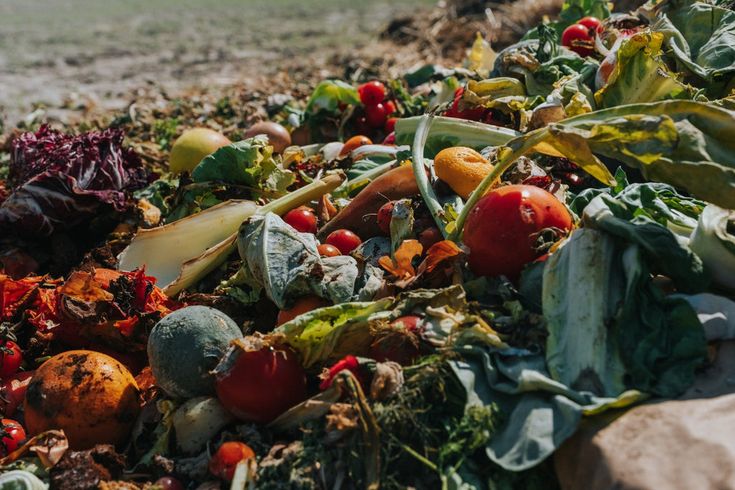
Did you know that the average person wastes 79 kg of food each year? This is equivalent to at least 1 billion meals wasted every day.
The United Nations says that 60% of this food is wasted at home, with the rest lost across the food service sector due to inefficient systems.
As the world marks International Zero Waste Day, observed annually on the 30th of March, UNEP affirms that reducing food waste is a top climate solution.
In the Kenyan context, the country loses up to 40% of the food it produces each year—around 9 million tonnes—which is enough to fill approximately 500 million 18-tonne trucks.
A 2025 report by the World Resources Institute (WRI) Africa shows that this food waste is worth KSh 72 billion.
The report further shows that if Kenya reduces food loss and waste by 50% by 2030, it could feed more than 7 million people annually.
This is especially significant given that 36.8% of the population is undernourished, according to the Global Hunger Index.
Cutting down food waste in the country by 50% by 2030 could also enable Kenya to inject KSh 36 billion back into the economy and cut over 7 million tonnes of carbon emissions, directly supporting its climate commitments.
The global environmental body says a zero-waste future is possible. However, for many ordinary Kenyans, food loss and waste still seem like distant issues, largely due to limited awareness of their scale and impact.
If you are preparing a meal, here are some tips to help reduce food waste:
1. Think before you shop!
We often walk into supermarkets or markets and are drawn to attractive foods that we did not plan to buy.
In many households, these surplus foods end up being wasted. Before leaving your house, confirm what you need and stick to your list.
2. Smart cooking
More often than not, we tend to cook more than we can eat. This leads to food waste as leftovers are eventually thrown away.
It is advisable to measure portion sizes of rice and other staples to ensure you prepare only what you or your group are likely to eat in a single sitting.
In case there are leftovers, you can incorporate them into a subsequent meal and save costs.
3. Store wisely
Store dry foods in airtight containers, fresh meats in the freezer or refrigerator, and onions and potatoes in a cool, dark place.
Keep fresh fruits and vegetables in your fridge’s vegetable drawer, and make sure any previously opened packaging is tightly sealed.
4. Composting as a sustainable approach
While some food waste is inevitable—such as vegetable peels and scraps—we can still minimize its negative consequences.
One effective solution is composting. This is a biodegradation process in which organic matter, such as food scraps and leaves, decomposes into nutrient-rich soil for use in gardens and farms.