Written by Dr. Benjamin Muindi, Dean, Research, Innovation and Postgraduate Studies, Zetech University.
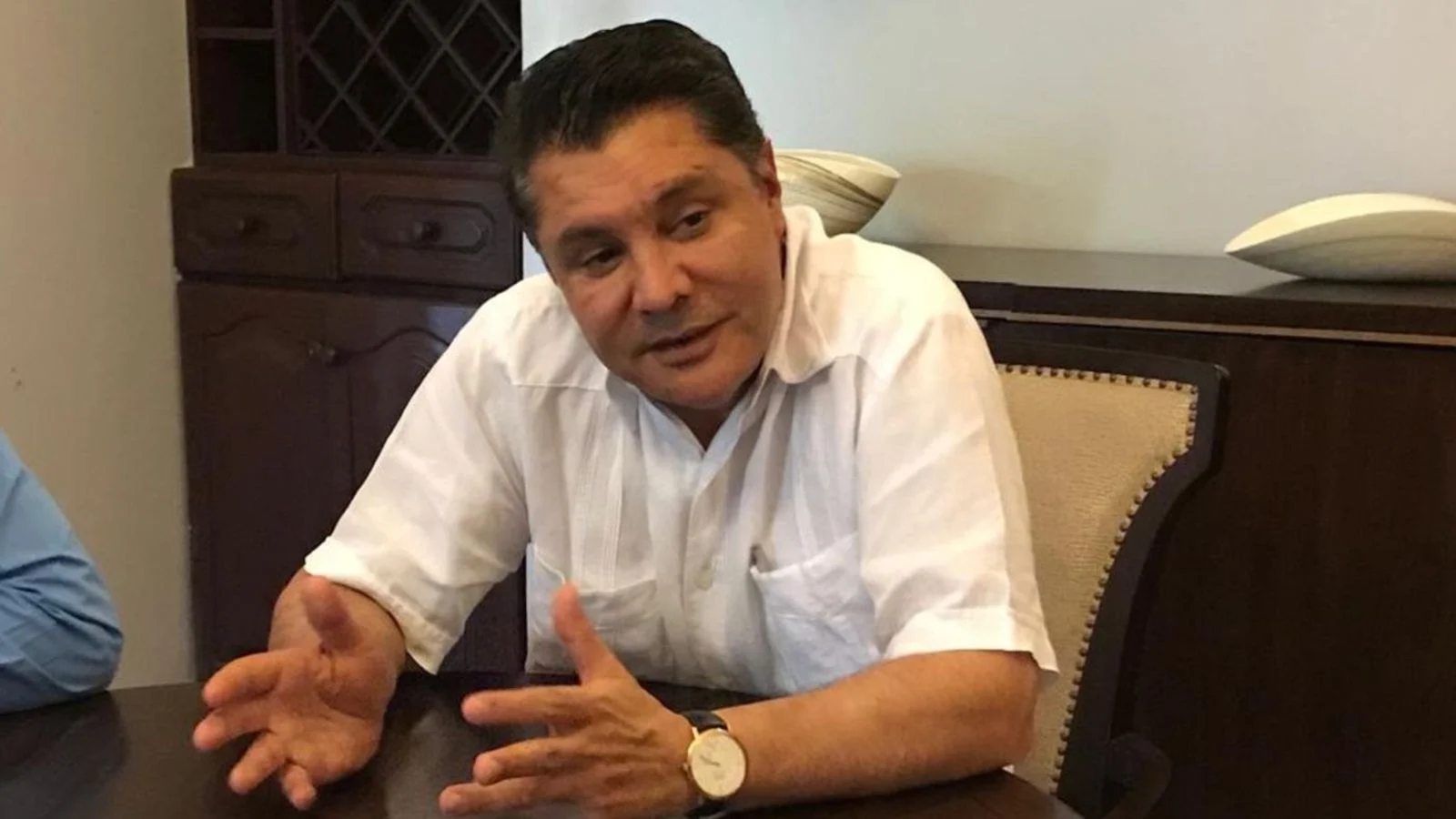
In a deal that has sent shockwaves through East Africa’s media landscape, Nation Media Group (NMG) – the region’s largest independent media house and publisher of the Daily Nation, East Africa’s biggest-selling newspaper – has been bought by a private individual. On March 10, 2026, the Aga Khan Fund for Economic Development (AKFED) announced it had sold its entire 54.08 per cent controlling stake, held through NPRT Holdings Africa Limited, to Taarifa Ltd, a company owned by Tanzanian billionaire Rostam Azizi. After 66 years of stewardship by the Aga Khan, NMG – which spans newspapers, television, radio and digital platforms across Kenya, Uganda, Tanzania and Rwanda – now passes into the hands of one of the region’s most powerful tycoons.
Azizi, a self-made billionaire with interests in telecommunications, mining, energy and media in Tanzania (including Habari Corporation), has pledged to uphold editorial independence and invest heavily in digital transformation. “NMG is an institution of profound importance to East Africa, and we will uphold its editorial independence while investing in its continued success,” he told reporters in Nairobi. Yet the timing and scale of the transaction have ignited urgent questions that go far beyond balance sheets: who really controls the news that shapes public opinion in Kenya, and at what cost to democracy?
The media has long been called the “fourth estate” or “fourth power” – not because it governs through armies or laws, but because it frames the very debate on which democracy rests. As Lord Justice Leveson noted in Britain’s landmark 2012 inquiry into press ethics, the media earns this status through its hard-won independence from the state. Its choices of what to report – and what to ignore – become the raw material of public discourse. Information, like money or political authority, is power. And when that power is concentrated in private hands, the stakes for society rise dramatically.For decades, scholars and journalists have warned that ownership patterns determine not just which stories appear, but how they are framed. Geraldine Doyle, in her seminal work on media economics, observed that excessive concentration of ownership risks “over-representation of certain political viewpoints or values… at the expense of others.” When a handful of owners dominate, the marketplace of ideas shrinks. Citizens no longer encounter a genuine diversity of voices; instead, they consume content that subtly – or not so subtly – aligns with the commercial or ideological interests of those at the top.
Kenya is no stranger to this reality. As Francis Nyamnjoh documented in his 2012 study “Factually True, Legally Untrue: Political Media Ownership in Kenya,” concentration transforms editors into “proprietors’ voices.” Objectivity may appear intact – stories are accurate, balanced on the surface, depersonalised – but the real power lies in what is chosen for coverage, who is interviewed, and what questions are asked. Value judgements are baked in long before ink hits paper or pixels hit screens.
I interviewed a former reporter at the Daily Nation (who spent more than five years inside the newsroom) and they described the daily reality with uncomfortable clarity. Every morning, the news desk diary listed “must” assignments – events not necessarily newsworthy but tied to board members of NMG or major advertisers across the group’s stable of newspapers, radio and TV stations. Reporters and photographers were dispatched with clear briefs on the expected angle. Back in the newsroom, stories were edited – sometimes heavily – into polished public-relations prose. Objective journalists watched their by-lines appear above copy that bore little resemblance to their own reporting. “The line between media owners and editors has increasingly been blurred,” Nyamnjoh warned, “as the latter are co-opted into the former’s domain.”
This is not unique to Kenya. Across Africa, the profit motive has eroded the traditional watchdog role. In Nigeria, scholars have described a “global village disease” where diversification and economies of scale turn media houses into profit-driven machines, sacrificing depth for volume. Globally, the pattern repeats. During the Leveson Inquiry, editors at Rupert Murdoch’s News Corporation admitted they did not need to ask the proprietor for his views on any issue; they simply knew his worldview and mirrored it. The Sun’s relentless campaign against Labour leader Neil Kinnock in the 1980s and 1992 election reflected Murdoch’s assessment exactly – without direct orders. Editors anticipated the boss’s line and delivered.
The new owner of NMG brings his own media experience. Azizi’s Habari Corporation in Tanzania has expanded aggressively. He insists the NMG acquisition is purely commercial, aimed at modernising the group. Yet critics point to his political past (as a former Chama Cha Mapinduzi MP) and reported closeness to Kenyan political figures. Social media has buzzed with speculation that the deal carries hidden political undertones. Azizi has pushed back firmly, calling such claims “trivial” and insisting regional cooperation, not rivalry, should define East Africa. He has also stated he is unconcerned about government advertising decisions: “You need to be a much stronger media where the government and private sector will be compelled to advertise.”
Such assurances are welcome, but history suggests caution. Corporate media, structured to maximise profit, inevitably faces tension between public service and shareholder returns. Robert McChesney and others have documented how media moguls leverage their platforms to “get their way with politicians.” In doing so, they risk serving a privileged minority while the majority’s concerns are sidelined. Content becomes uniform – “McDonaldised,” as Nyamnjoh put it – standardised, routinised, and safe. Investigative journalism gives way to press releases, wire copy and cheap syndicated programmes. Advertisers and powerful allies are rarely scrutinised. Stories that might embarrass owners or their networks quietly disappear into the spike pile.
Kenya’s media already grapples with these pressures. The Daily Nation’s editorial policy nominally calls for 60 per cent editorial content and 40 per cent advertising. In practice, adverts often swallow far more space. Pages fill with hurriedly filed stories or agency copy because sending reporters abroad or funding long investigations is expensive. Electronic outlets lean on Mexican soap operas and cheap local fillers to keep overheads low. The result? Citizens receive information that sounds professional but has been filtered through commercial priorities. Plurality of outlets masks poverty of perspectives.
This matters profoundly for democracy. Politicians understand the danger better than most. As Doyle observed, those who control popular media “have the power to break or make political careers.” Citizens, meanwhile, need diverse sources to form informed opinions. Political diversity rests on media diversity. When ownership concentrates, the public sphere narrows. Viewpoints that challenge dominant interests fade from view. In extreme cases, the media stops voicing citizens’ concerns and instead amplifies the concerns of its owners.
Economic realities compound the problem. Many African media houses struggle financially. Under-capitalisation makes genuine diversity expensive. Owners cut costs, centralise operations and chase scale. The temptation to curry favour with advertisers or political patrons grows. Governments have sometimes responded with ownership limits – Argentina’s Supreme Court upheld caps on broadcast licences, forcing Grupo Clarin to divest. Britain’s Ofcom has explored metrics of plurality based on consumption, reach and impact rather than simple revenue. Points systems once restricted radio ownership. Leveson recommended periodic plurality reviews to catch organic growth before it threatens diversity.
Kenya lacks equivalent robust safeguards. Cross-media ownership rules are weak. The Communications Authority focuses more on licensing than on preventing undue influence. The recent NMG transaction – subject to regulatory approval – highlights the gap. A single private buyer now controls the region’s most influential media voice. Even if Azizi intends to preserve independence, the structural incentives remain: profit over depth, access over accountability, safety over scrutiny.
Drawing on my years inside the Daily Nation newsroom I note that plurality matters to the public for divergent viewpoints and to politicians as decision-makers yet unchecked corporate concentration threatens both. Media moguls can perpetuate one-sided agendas while eroding substantive journalism. Editors become extensions of proprietorial will. Democracy suffers when a few voices drown out the many.
Azizi’s acquisition therefore arrives at a critical moment. Kenya faces economic pressures, upcoming elections and persistent questions about press freedom (rankings have slipped in recent years). NMG has historically been seen as relatively independent under Aga Khan ownership – a model that prioritised public service alongside commercial viability. The shift to a profit-driven private individual with cross-border business interests and political connections raises the bar for vigilance.
Will the new owner resist the global trend toward “proprietors’ voices”? Will investigative units survive cost-cutting? Will “must” stories still appear, now aligned with different networks? Azizi has promised transformation, not control. He says Taifa Group (his umbrella) brings fresh investment without compromising standards. Kenyans – and the wider region – will be watching closely.
The broader lesson from this moment is clear. Media ownership is not a technical corporate matter; it is a democratic one. As the Leveson Inquiry concluded, the goal of a plural market is “ensuring that there is a diversity of viewpoints available and consumed” while “preventing any one media owner or voice having too much influence over public opinion and the political agenda.” Achieving this without stifling entrepreneurship is the challenge.
Kenya’s authorities, civil society, journalists and citizens must now engage seriously. Stronger transparency rules on ownership, periodic plurality audits, protection for editorial independence, and support for public-interest journalism could help. Without them, the risk is that Kenya’s media – however many outlets it boasts – will offer the appearance of plenty while concealing a poverty of perspectives.
The sale of NMG is not the end of the story. It is the beginning of a new chapter in which the power of information once again rests with a single private individual. How that power is exercised will shape not just the headlines of tomorrow, but the health of Kenya’s democracy for years to come.