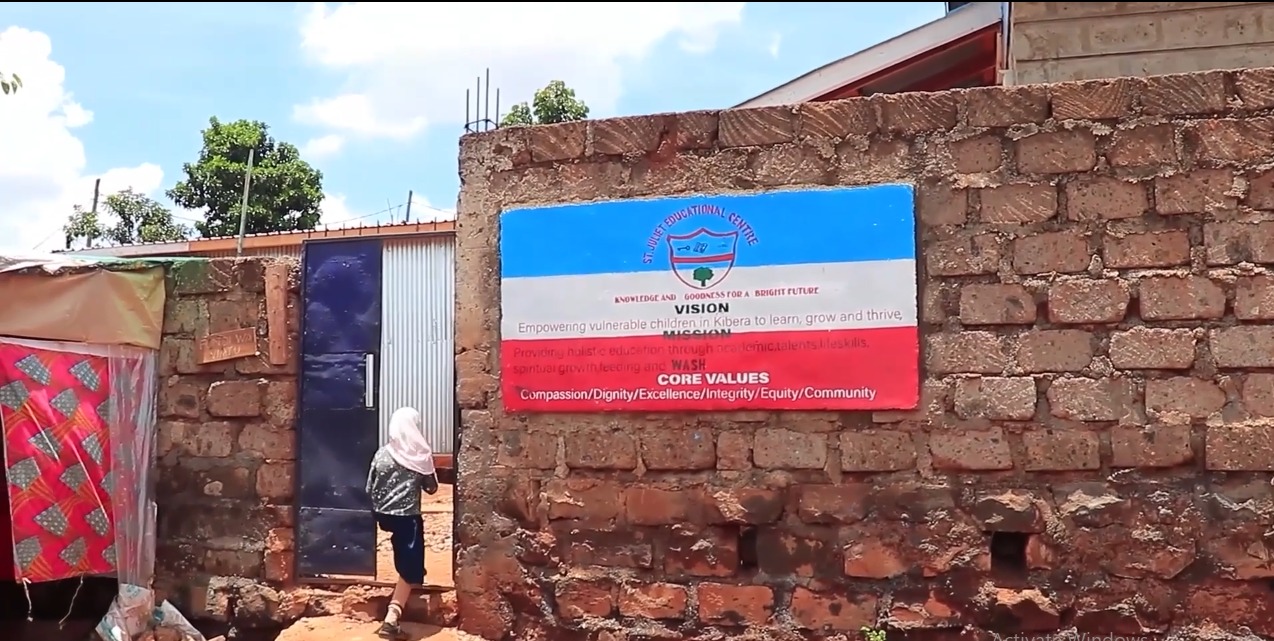
The loud chatter of learners can be heard from a distance. It is lunchtime at St. Juliet Educational Centre in Kibera, Nairobi County.
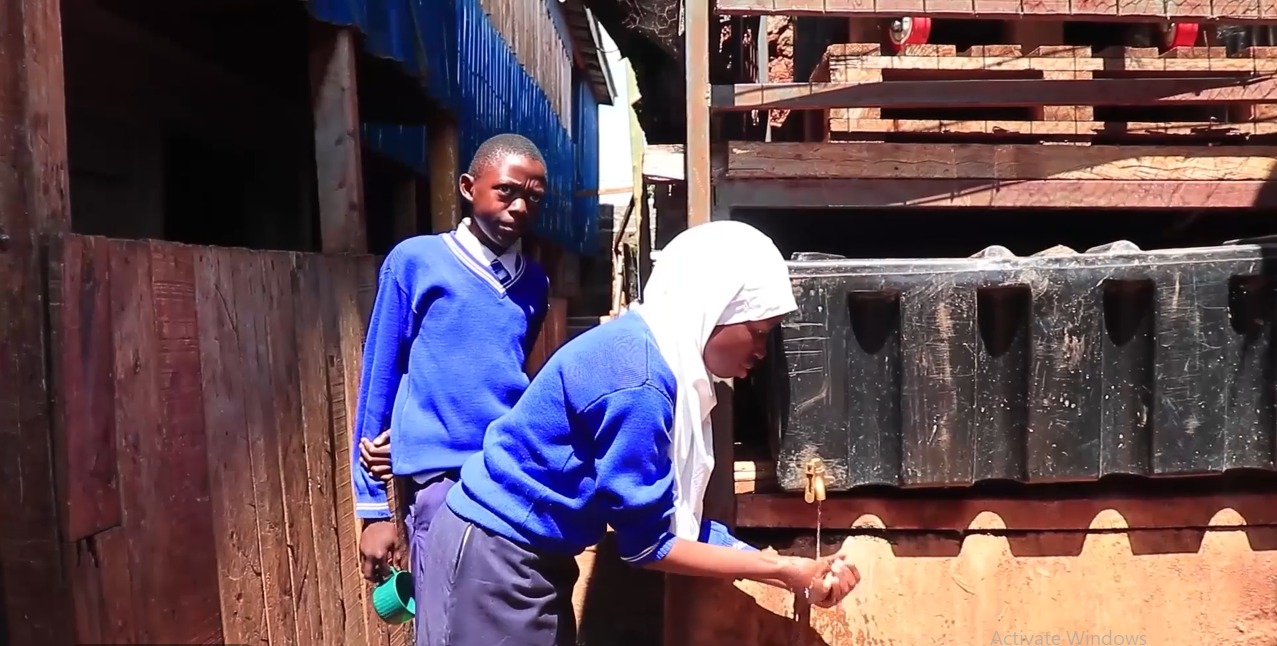
The pupils form a queue in front of a water tank, their faces lit with ear-to-ear smiles as water flows from the tap.
With beaming expressions, the learners wash their hands and drink the water which, surprisingly, has been directly extracted from the air they breathe using a simple method we may have heard of before: condensation.
The water generator unit, installed within the school, produces water by drawing moisture from the atmosphere and converting it into liquid through internal components.
The innovation, designed by Majik Water, relies on solar energy to power the moisture-harvesting units.
How air is turned into water
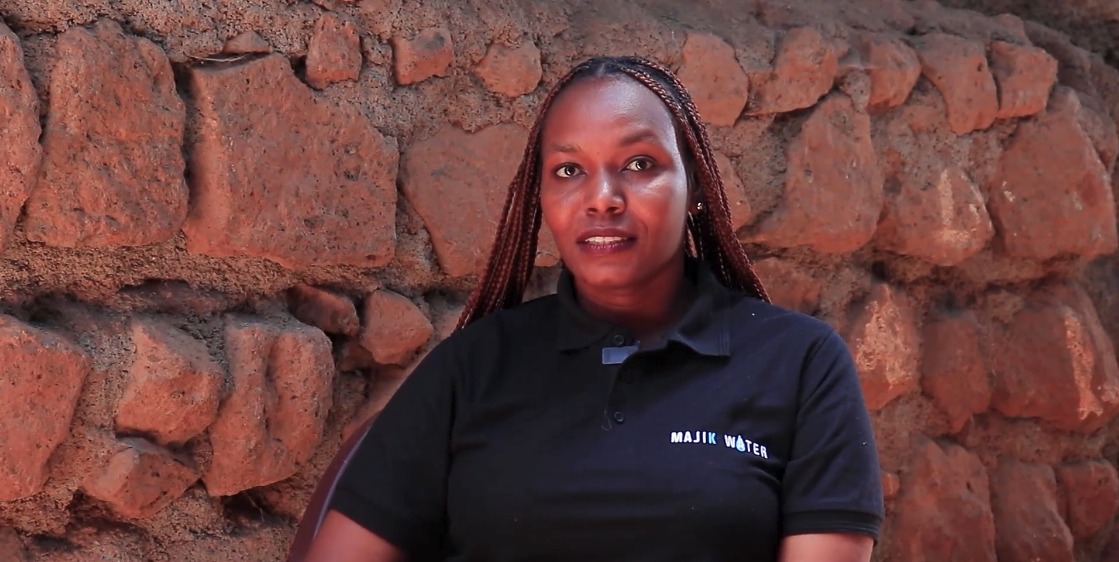
Operations Lead at the Kenyan start-up, Caroline Wamuyu, explains that the process begins when industrial fans pull in ambient air through the system, capturing humidity present in the atmosphere.
The system then uses refrigerant gas to cool the air below its dew point, causing the water vapour to condense into liquid droplets, which are collected within the unit.
Wamuyu adds that in the third step, the collected water undergoes advanced filtration through a reverse osmosis system to remove potential contaminants and prevent bacterial growth. This ensures water purity.
“For the final step, we add back essential minerals to the purified water, providing all the necessary nutrients for healthy human consumption and optimal taste,” the Operations Lead says.
By providing clean drinking water, the harvester also helps in Greenhouse Gas (GHG) reduction by eliminating the emissions from use of firewood and charcoal in boiling water.
Impact on Learners
St. Juliet Educational Centre is located in Kibera, an informal settlement that often grapples with limited access to clean and safe drinking water for both learners and adults.
The school’s headteacher, Chrispiners Musonye, says the technology has significantly improved hygiene levels, particularly for young girls.
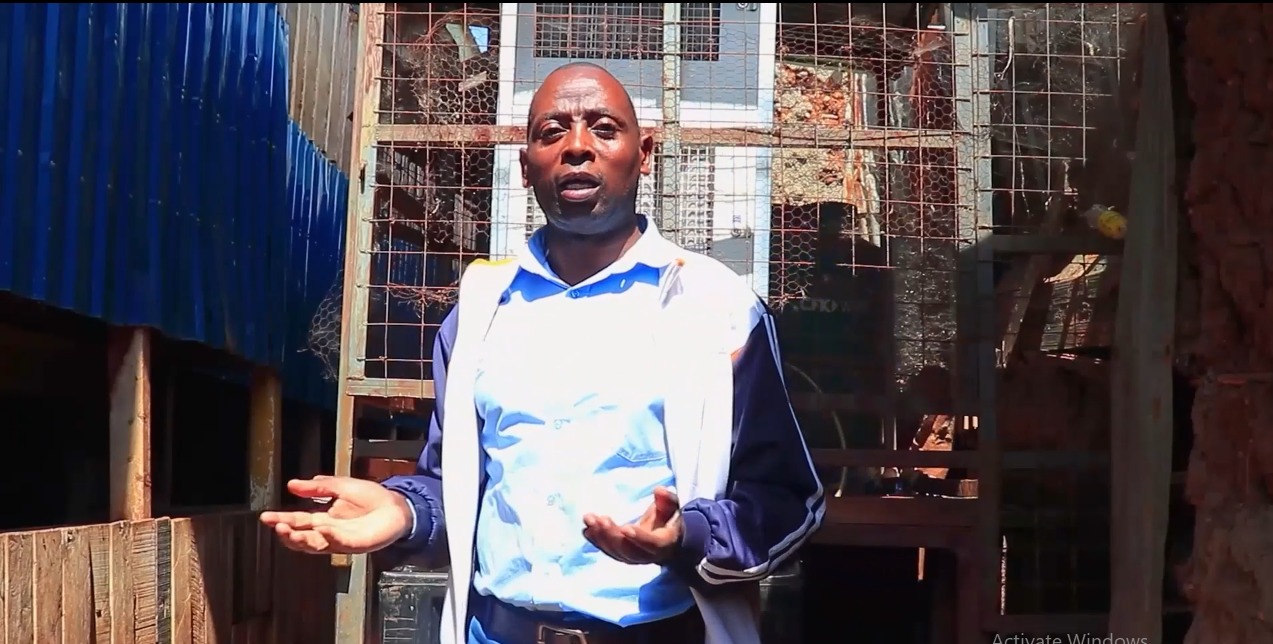
He explains that in the past, girls on their menstrual cycle would often stay at home to access water for bathing.
“But now, because we have water and clean facilities and even a specific place where they can shower, change their sanitary pads, and return to class it has reduced absenteeism,” Musonye says.
During periods of heavy rainfall, traditional water sources often become contaminated due to flooding. In a region that can also face water shortages for weeks, the harvester which produces up to 500 litres of water per day is not only benefiting the learners but also the surrounding community.
“During school holidays, when the children are away, neighbours from around the school come and use this water,” the headteacher adds.
A recently released report by UN-Water states that 2.1 billion people still lack safely managed drinking water, with women and girls spending an estimated 250 million hours every day collecting water.
Majik Water hopes that by installing more of these harvesters in schools across the country, learners will be able to focus on their studies without worrying about where their next drop of water will come from.