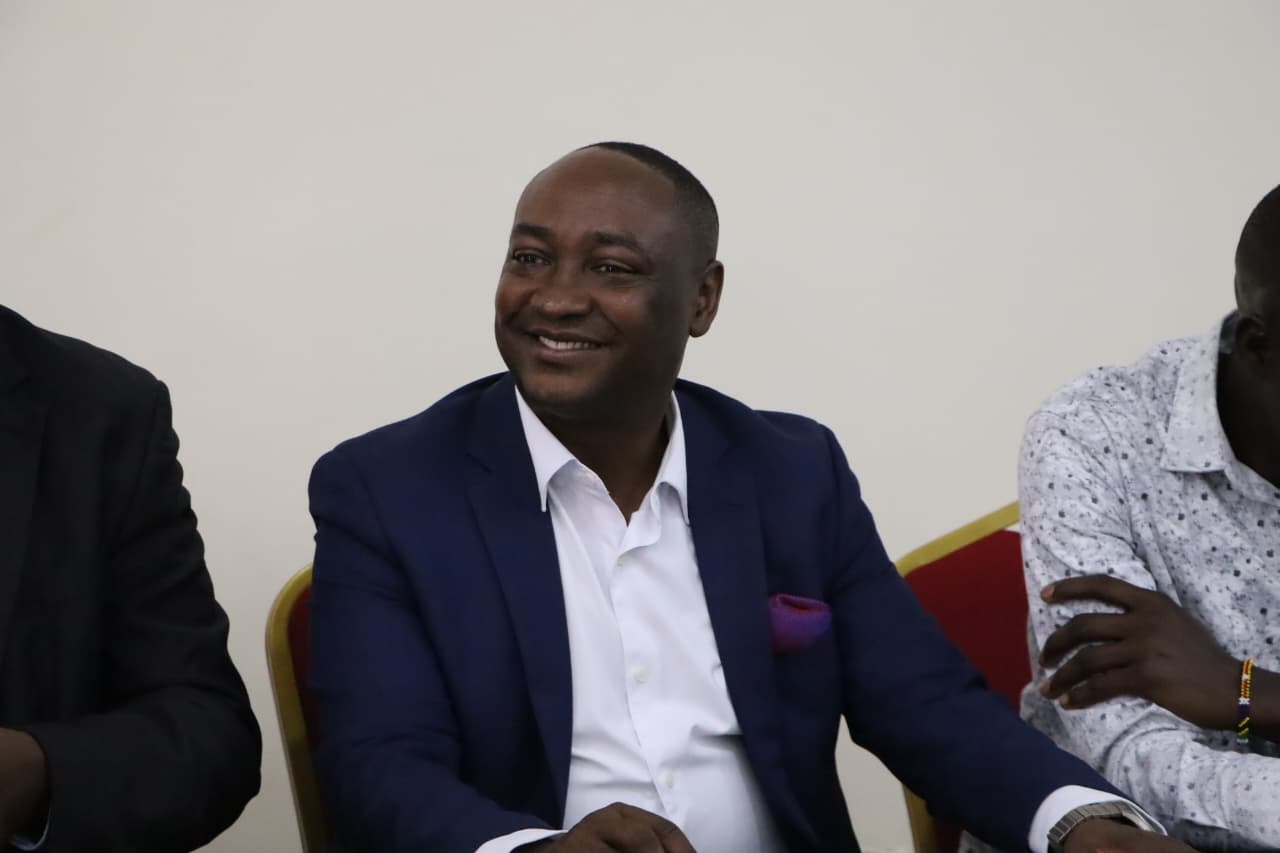

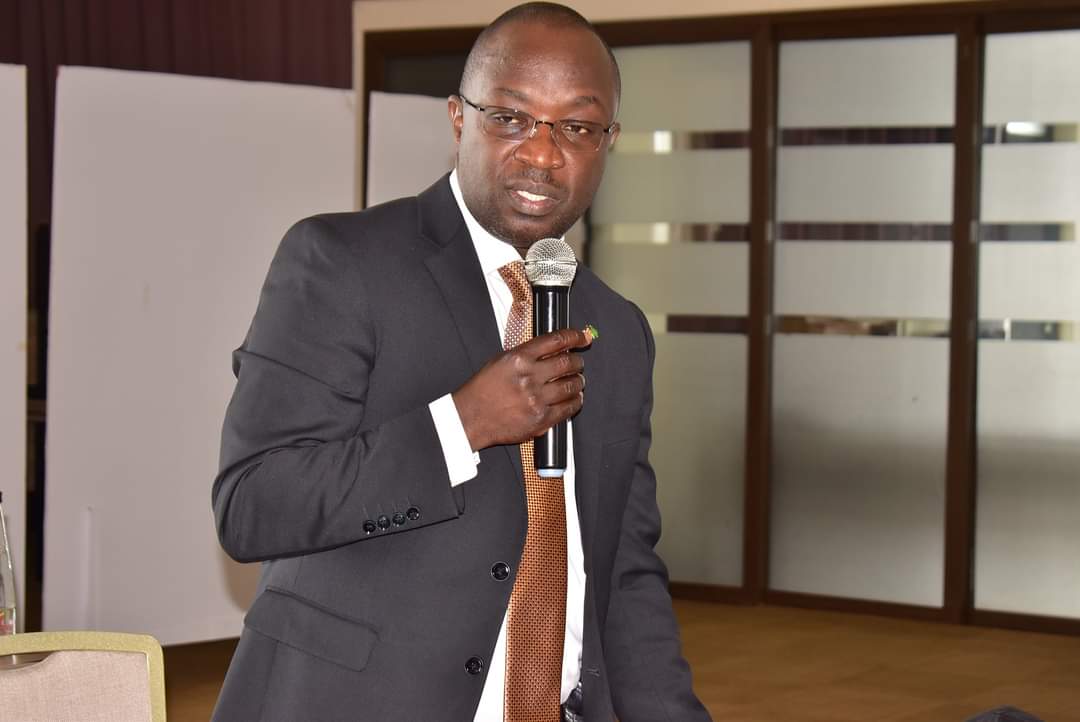
The declaration by Kisumu County Executive Committee Member (CECM) for Finance and Economic Planning, George Okong’o, to vie for the Seme Parliamentary Seat has set the stage for a spirited political contest, one that is deeply intertwined with the urgent social realities facing the constituency.
For years, Seme has lagged behind in key sectors, notably education and health, despite its immense potential and rich human capital.
The area’s infrastructural gaps, coupled with policy neglect, have rendered essential public institutions dysfunctional — leaving children, parents and patients struggling for basic services that should be guaranteed.
Education: A sector on its knees
Education in Seme is a story of resilience in the face of adversity. Schools such as Opande and Ochara Primary operate under deplorable conditions, lacking sanitation facilities and proper fencing, exposing learners to both health and security risks.
In Aduong’ Primary School, the situation is even more dire: the institution has never had an Early Childhood Development (ECD) classroom or electricity connection, leaving young learners to study under unsafe and uninspiring conditions.
The absence of a school lunch programme across all public institutions for over 15 years has worsened dropout rates, with many pupils opting to stay home due to hunger and fatigue.
Education officers and teachers privately admit that the lack of midday meals remains one of the biggest contributors to declining performance, particularly in upper primary classes.
Meanwhile, the bursary allocation system has been another source of public discontent. Parents accuse the current regime of opaque and strenuous qualification procedures, claiming that bright but needy learners continue to miss out on opportunities to advance their education.
This has fueled growing calls for a transparent, merit-based bursary structure that truly reflects the constituency’s educational priorities.
“Our children are dropping out, not because they lack ambition, but because leadership has failed to prioritize education as a pillar of transformation,” said a parent from East Seme.
Health: Symbol of broken systems
The Opapla Dispensary in West Seme, designed to serve an expansive community spanning Koyoo, Kopedo, Kombija, Kandega, Asembo and Kochola, stands as a painful reminder of systemic neglect.
The facility remains closed most of the time due to the absence of adequate medical personnel. The only medic assigned there is often redeployed for other duties, leaving hundreds of residents without access to basic healthcare.
Community leaders have repeatedly appealed for the employment of additional health workers and the construction of a servant quarter to allow continuous 24-hour service delivery.
Expectant mothers, children and elderly patients continue to bear the brunt of this situation, often forced to travel long distances to access basic medical attention.
“We have a dispensary that only opens when luck allows. It defeats the purpose of devolution when essential facilities are left unmanned,” lamented a resident of Koyoo village.
The convergence of poor education and collapsing health systems points to a deeper leadership crisis in Seme. Over the years, the constituency has missed out on robust planning, fiscal accountability, and visionary representation that connects local realities to national opportunities.
This growing frustration has created fertile ground for George Okong’o’s entry into active parliamentary politics.
Who is George Okong’o?
A seasoned economist and fiscal management expert, George Okong’o has served as the Kisumu County Finance CEC with distinction, spearheading key reforms in revenue mobilization, expenditure control, and project transparency.
Under his tenure, Kisumu achieved one of the highest rates of budget absorption and improved own-source revenue collection in the county’s history.
Before joining the county executive, Okong’o worked with development and financial institutions in both the public and private sectors, earning a reputation for his pragmatic approach to fiscal policy and service delivery.
Known for his disciplined management style and community-centered philosophy, Okong’o has often emphasized that “development begins with the proper use of public resources.” His decision to vie for the Seme Parliamentary Seat is seen by many as a natural extension of his career-long commitment to good governance and evidence-based policy.
Analysts say that with Okong’o’s technocratic background, Seme stands a chance to transition from political rhetoric to data-driven development.
His emphasis on education reform, including the revival of school feeding programs, construction of ECD centers, and electrification of learning institutions, has struck a chord with teachers and parents alike.
In health, he has pledged to prioritize the rehabilitation of dispensaries, expansion of medical staffing, and establishment of fully equipped community health units to restore confidence in public healthcare.
Seme’s strategic location and agricultural potential, coupled with its vibrant youth population, make it ripe for transformation.
But, as Okong’o himself has noted in past forums, “Without accountable leadership and people-centered planning, potential remains just potential.”
As Seme heads into an election season, the question is no longer whether change is needed but who can deliver it.
And for many, George Okong’o’s mix of technical expertise and community trust positions him as a front-runner in steering the constituency toward a new dawn of progress, dignity, and service.