Section 6 allows the National and County Governments to sign cooperation agreements for managing and developing urban areas, including the capital city. It provides the legal basis for joint planning and shared financing of major projects.
—————–
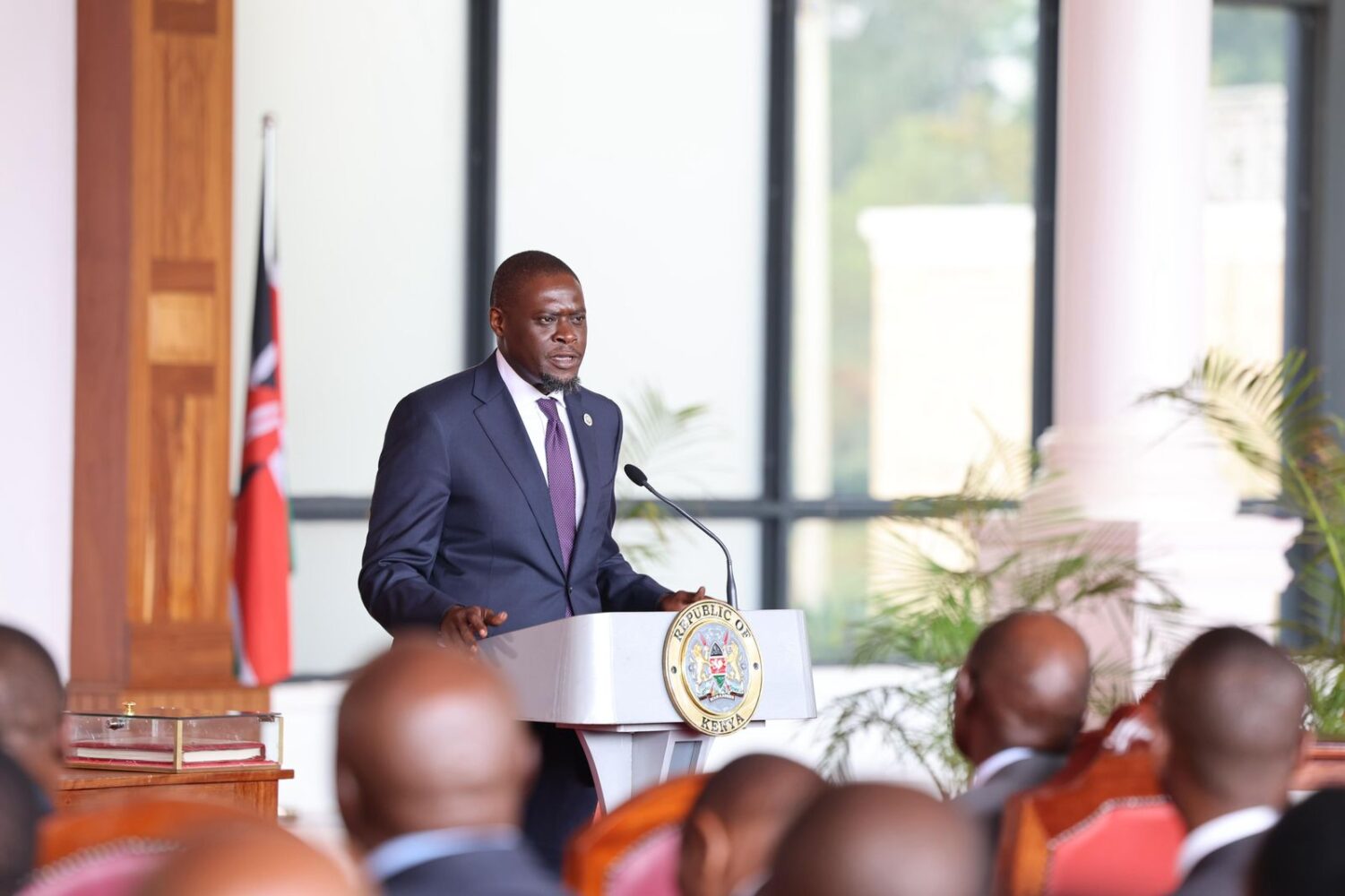
Nairobi is poised for a major financial and infrastructural boost after President William Ruto and Governor Sakaja Johnson sealed a landmark cooperation agreement aimed at unlocking billions of shillings for the capital city’s urban renewal.
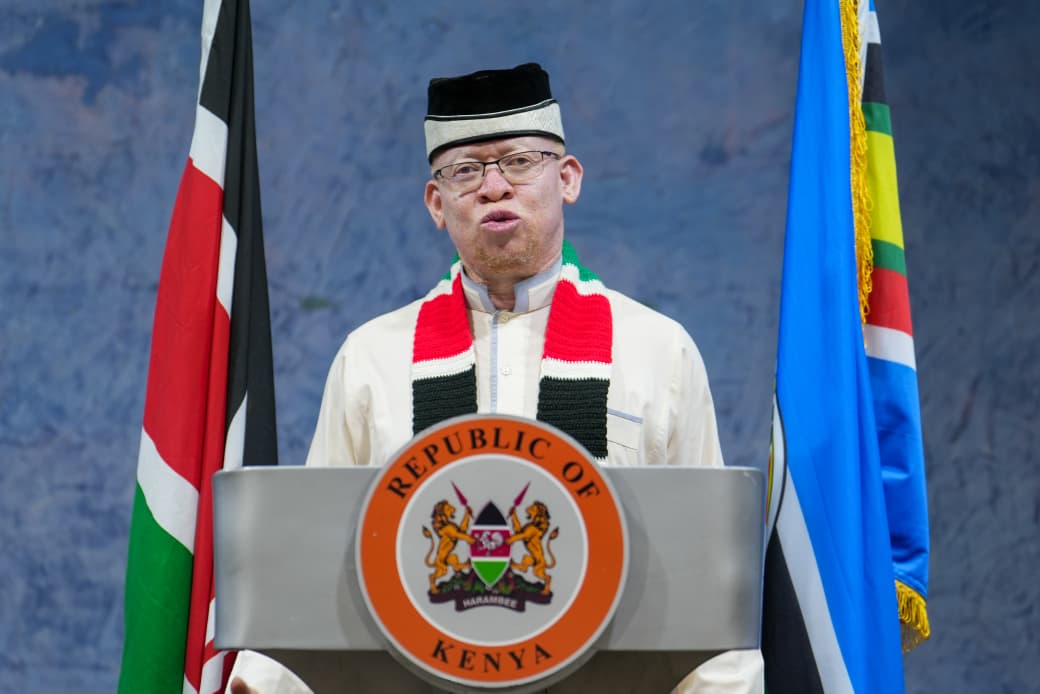
The pact, anchored on Section 6 of the Urban Areas and Cities Act, establishes a formal framework for collaboration between the National Government and Nairobi City County. The agreement was signed by Prime Cabinet Secretary Musalia Mudavadi on behalf of the National Government and Governor Sakaja on behalf of the County Government, marking what leaders described as a long-overdue institutional milestone in the governance of Kenya’s capital.
President Ruto moved quickly to dispel concerns that the deal signaled a takeover of county functions, stressing that the arrangement is purely cooperative and financial in nature.
“What we are formalizing today is not a transfer of functions. Let me repeat — there is no transfer of functions taking place. For the avoidance of doubt, I have no interest in running the city; my hands are already full. The Governor and his team must continue to run the city. However, as President, I have an obligation to support and assist the capital city,” the President said.
Governor Sakaja echoed the sentiment, drawing a sharp distinction between the new framework and past administrative arrangements, while emphasizing that the agreement is designed to strengthen Nairobi’s fiscal capacity rather than dilute devolution.
“This is not an NMS takeover. That was a misadventure that left behind Sh16 billion in debt. This is not a transfer of function. This is a cooperation that recognizes Nairobi as the nation’s capital. The current financing of the capital is not sufficient, and this partnership is a way to secure more funds, achieve more projects, and demonstrate that, 13 years later, the President has heard us,” Sakaja said.
Under Section 6 of the Urban Areas and Cities Act, the National and County Governments are permitted to enter cooperation agreements for the management and development of urban areas, including the capital city. Leaders noted that the framework comes more than a decade after devolution began, describing it as “13 years late” but necessary to unlock stalled investments and inject additional development funding into the county.
The agreement marks the first capital-specific intergovernmental framework of its scale since the advent of devolution in 2013, positioning it as a defining institutional moment in Kenya’s urban governance history. Sakaja, who has long advocated for a special refinancing model for Nairobi, termed the pact a lawful and fiscally responsible response to structural budgetary constraints that have historically slowed delivery of critical infrastructure projects.
Both leaders emphasized that the cooperation does not undermine devolved authority. Instead, it strengthens coordination, financing alignment, and disciplined implementation between the two levels of government in line with Article 189 of the Constitution, which mandates intergovernmental collaboration while preserving county mandates.
The partnership is expected to channel significant investment into sectors that directly affect residents’ daily lives and the competitiveness of the capital. Priority areas include modernization of solid waste management systems, rehabilitation and expansion of road networks and non-motorized transport infrastructure, improved street lighting and public safety, upgrading of markets to support micro and small enterprises, housing-related infrastructure, and expanded water and sanitation services.
Nairobi’s unique role as Kenya’s diplomatic, commercial, and administrative hub was cited as a key justification for the arrangement. Rapid urbanization, aging infrastructure, mounting waste management pressures, and rising service delivery demands have continued to outpace county financing, creating the need for a coordinated national-county funding structure capable of accelerating large-scale development.
To guarantee accountability and transparency, all projects under the framework will be properly costed and processed through lawful national and county budget mechanisms, with strict financial oversight in accordance with public finance management laws. The agreement further establishes a Joint Steering Committee and an Implementation Committee to ensure structured oversight, coordination, and measurable performance outcomes.
Observers view the signing as a potential turning point in capital city governance, with Nairobi’s efficiency closely tied to investor confidence, tourism performance, diplomatic engagement, and overall national productivity.