When Elizabeth Mwakithii realised her daughter could not report for the start of Grade 10, it was not because the girl lacked ability or motivation. It was because the cost exceeded Elizabeth’s means.
“I had managed part of the fees, but I had nothing for uniforms and books,” Elizabeth said.
Then her neighbours stepped in. “When the community came with everything, I was overwhelmed.”
A key source of support for needy children across Kenya is the community around them. A national grassroots organization, the SHOFCO Urban Network (SUN) has been encouraging and tracking this support.
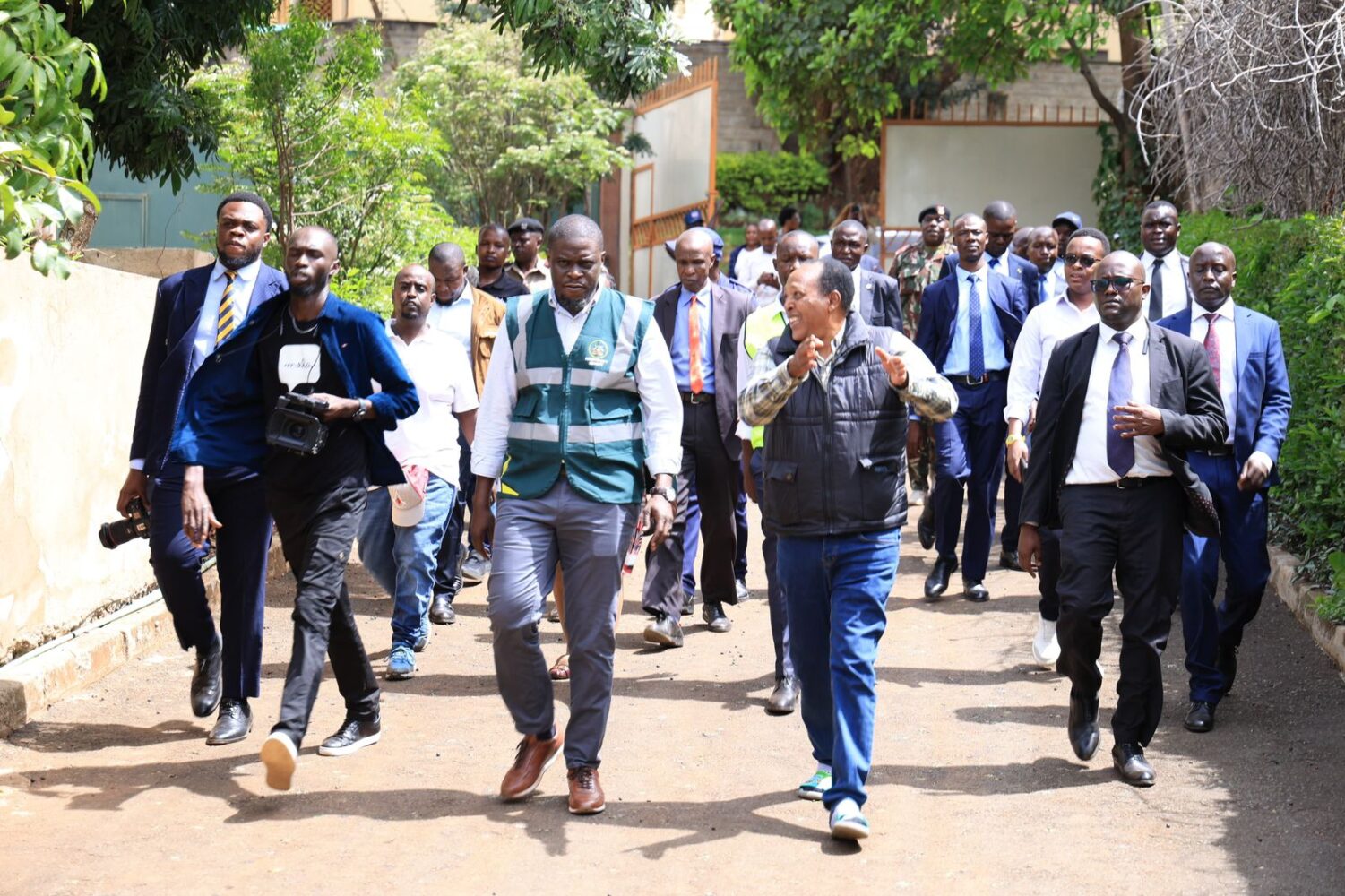
This year, Nairobi’s informal settlements to rural towns in Meru and coastal Kilifi County, SUN leaders coordinated local fundraising drives, donation campaigns and door-to-door mobilization to support families struggling with the high cost of senior school admission.
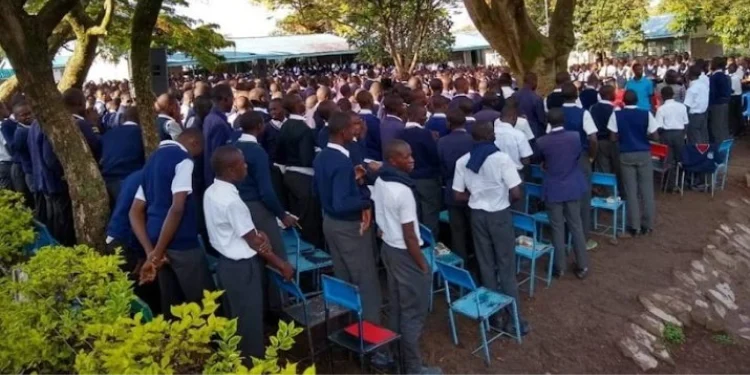
The transition to Grade 10 this month came with heavy financial demands for parents, including school fees, uniforms, bedding, boxes, learning materials and personal effects.
For many low-income families, meeting these requirements at once can delay or completely block a child’s chance to join school.
To address this, SUN community leaders organized collective support efforts, pooling small contributions from members and well-wishers to assemble full admission packages for students.
In Ruaraka Sub-County, Nairobi, SUN leader Odero Jakababa said the initiative was born out of everyday realities facing parents.
“We know these families. We see the struggles. Instead of watching children stay at home, we decided to act together. When everyone contributes a little, it becomes enough to change a child’s future,” he said.
Students received items that community members could provide – books, a uniform, some fees. Meru County, SUN Chair Poly Lithara said the response from community members was overwhelming.
“People gave what they could. It was not about how much you had, but the willingness to stand with these children. This is what community leadership should look like,” he said.
Kilifi County SUN Chairman John Mwero said the initiative also included mentorship for new students, especially those joining boarding schools for the first time.
“We did not just give items. We also talked to the students, encouraged them and prepared them mentally for secondary school life. We want them not only to join school, but to stay and succeed,” he said.
Parents whose children benefited this year expressed gratitude, saying the support lifted an enormous financial burden.
In Mathare, Nairobi, Alice Adhiambo said SUN members helped her son meet admission requirements and encouraged him ahead of reporting day.
“They treated my child like their own.”
SUN movement has 1.5 members in 36 counties across Kenya.
Survey
The community efforts witnessed during the Grade 10 school transition are consistent with findings from a SUN Education Impact Survey conducted in September 2025 in Gem Sub-County, Siaya County, which assessed how SUN members support the education of non-biological children.
The survey, which covered 936 SUN members through phone interviews, found that 56 per cent (522 members) actively support the education of children who are not their own.
At the start of support, 72 per cent of learners were already enrolled in school, while 28 per cent were out of school.
After receiving support, 100 per cent of those previously out of school were enrolled, and 85 per cent were retained in school at the time of the survey.
The most common forms of assistance were payment of school fees (91 per cent), provision of learning materials (81 per cent), uniforms (77 per cent) and meals or feeding support (75 per cent). Other support included mentorship (35 per cent), transport assistance (30 per cent) and coverage of boarding costs (15 per cent).