
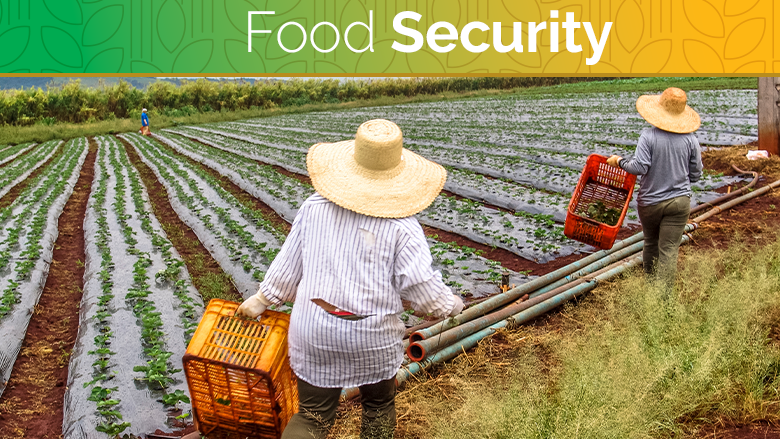
The Hampton Scientific Community Network (HSCN) has launched a three-year Sustainable Agriculture and Food Security Initiative aimed at improving livelihood for 5,000 farmers in Western and Kitui counties.
Project manager Mr. Nyongesa Edwin, noted that the program targets farmers, most of them women and youth who face challenges such as climate shocks, limited irrigation, poor access to training, and crop losses estimated at 30-40 percent.
According with the organization’s project manager, the initiative will introduce climate-smart farming practices, digital training tools, and modern agricultural infrastructure to strengthen food production and resilience.
Nyongesa added that farmers will gain access to Swahili language digital platforms providing agronomic training and market information, while also receiving drought resistant seeds, bio-fertilizers, and guidance on organic farming methods such as mulching, crop rotation, and natural pest control.

The project will also invest in infrastructure, including the installation of 50 solar-powered irrigation systems to ensure reliable water access. Additionally, 20 storage units and four agro-processing facilities will be established to reduce post-harvest losses and enable farmers add value to their produce.
Nyongesa noted that, Hampton Networks plans to organize participating farmers into 10 cooperation to strengthen their bargaining power, improve market access, and unlock credit opportunities.
”We are empowering farmers with the knowledge, tools and infrastructure they need to adapt to climate change, increase productivity and improve their incomes, through digital training, climate-smart practices and cooperative developments, farmers will be better positioned to secure sustainable livelihood.” Nyongesa noted.
By 2028, the initiative aims to increase crop yield by 50 percent, reduce post-harvest losses by 40 percent, and raise household income by 30 percent, while generating about USD50,000 annually in cooperative revenue.
The program aligns with global development Goal 2(zero Hunger)and Goal 13 (Climate Action), and is expected to provide a scientific model for climate resilient agriculture in Kenya.