The Ministry of Health (Kenya) has convened a high-level stakeholder consultative meeting in Nairobi aimed at strengthening preparedness and response measures as the country experiences heavy rains and flooding in several regions.
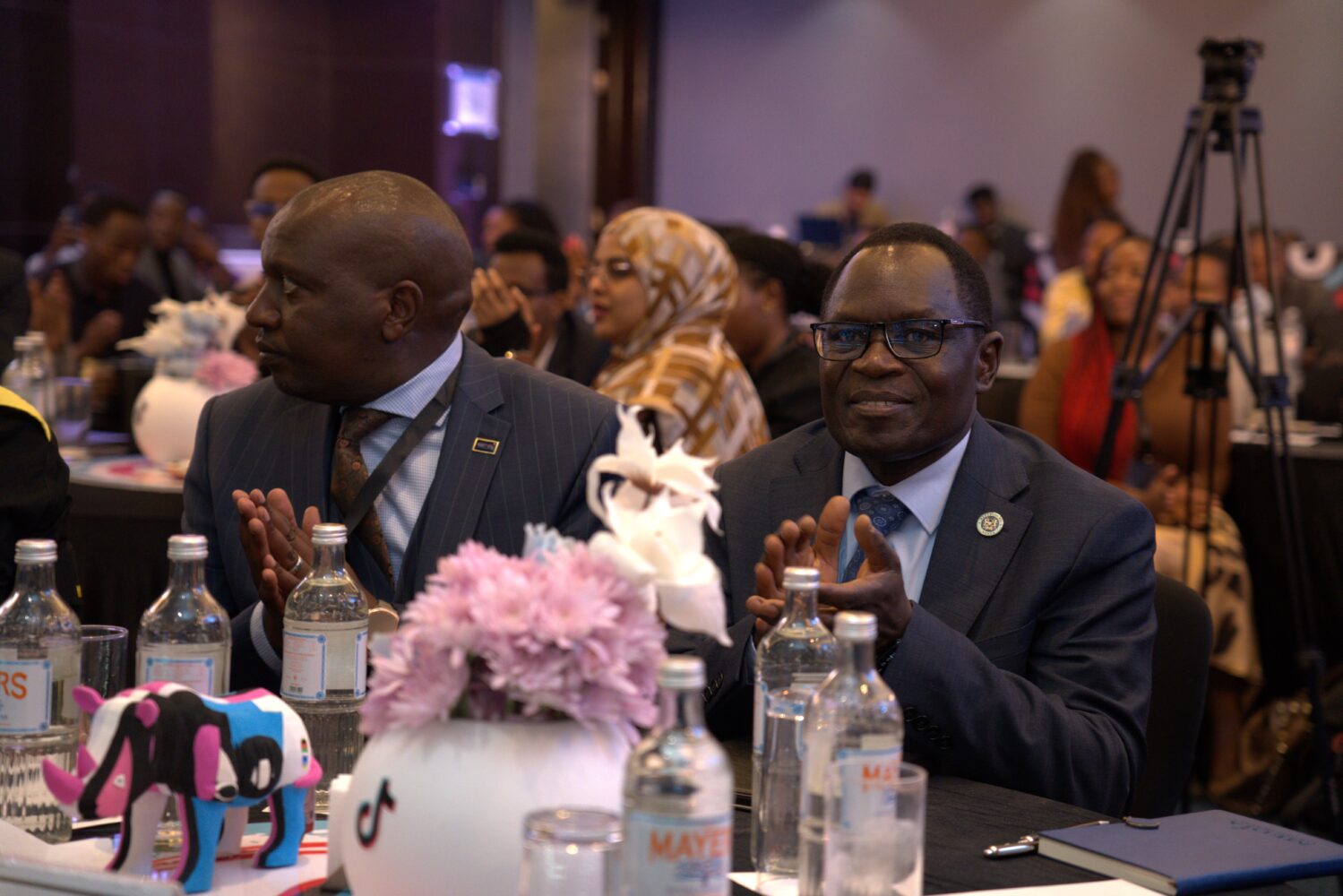
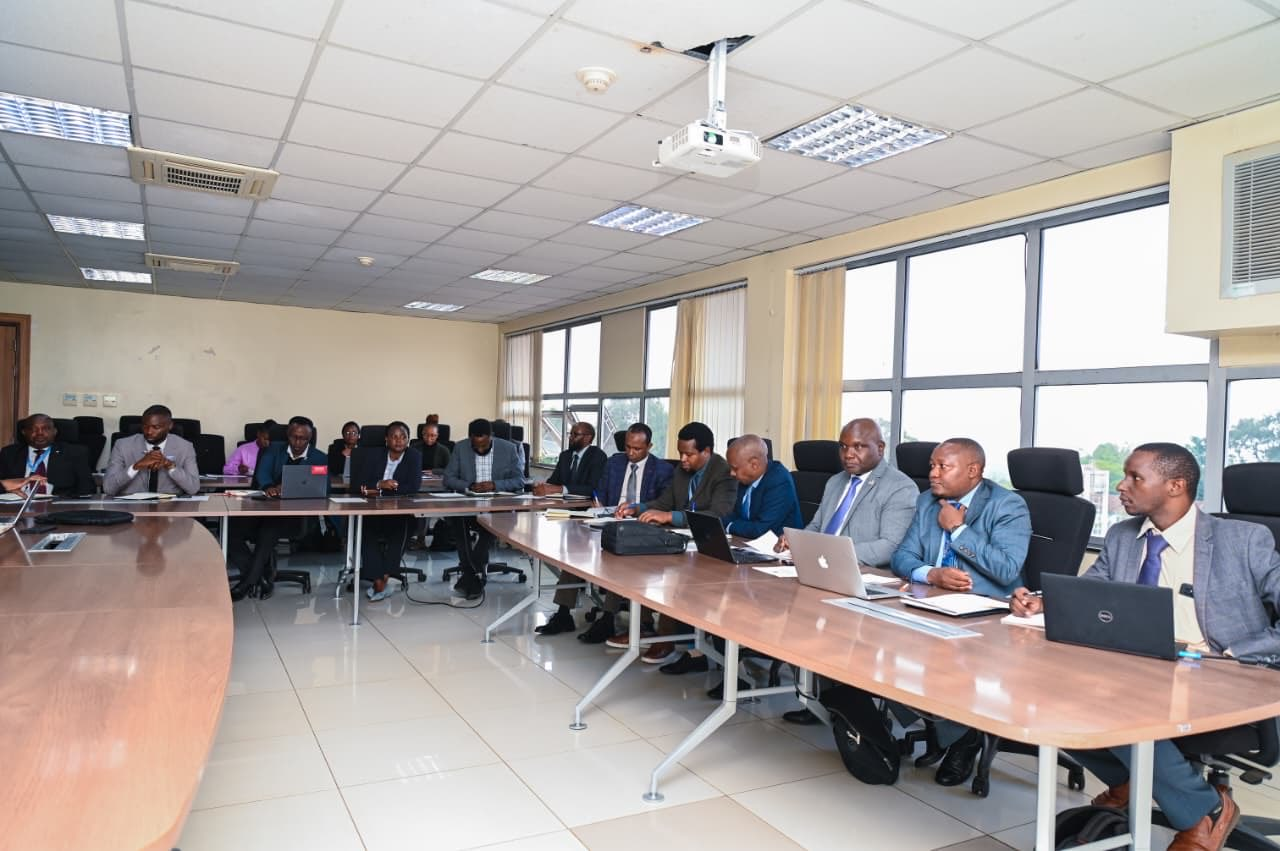
The meeting, held at the Afya Annex, brought together representatives from national and county governments, development partners, humanitarian organisations, and key health sector stakeholders to review the evolving flood situation and coordinate interventions to safeguard public health.
Speaking during the forum, Principal Secretary for Public Health and Professional Standards Mary Muthoni said the government has already activated emergency health response measures to minimise the impact of flooding on affected communities and ensure continuity of essential health services.
“The Government has activated coordinated emergency health response measures to reduce the impact of floods on communities and safeguard health services,” Muthoni said.
She noted that flooding in several parts of the country has already begun to disrupt healthcare delivery, displace families, damage critical infrastructure, and heighten the risk of disease outbreaks, including waterborne and vector-borne illnesses.
To strengthen the response, the ministry has developed the Long Rains Flood Contingency Plan 2026, which outlines key strategies aimed at protecting lives and ensuring the health sector remains resilient during the rainy season.
According to the PS, the plan focuses on several priority areas including health sector coordination, disease surveillance and outbreak control, emergency response support, laboratory services, and mobilisation of resources needed to respond effectively to emerging health risks.
“The contingency plan focuses on key pillars including health sector coordination, disease surveillance and outbreak control, emergency response support, laboratory services, and resource mobilisation,” she explained.
Participants at the meeting discussed the need for enhanced collaboration between national and county governments, improved information sharing, and faster deployment of medical teams and supplies in areas most affected by flooding.
The ministry also acknowledged the support of development partners and humanitarian organisations that have played a role in strengthening Kenya’s flood preparedness efforts.
Among the partners recognised were the Kenya Red Cross Society, the World Health Organization, and the United Nations Development Programme, which have supported the development and implementation of the flood preparedness plan.
Health officials say the coordinated approach will help reduce the health risks associated with flooding and ensure communities continue to access essential medical services during the ongoing long rains.