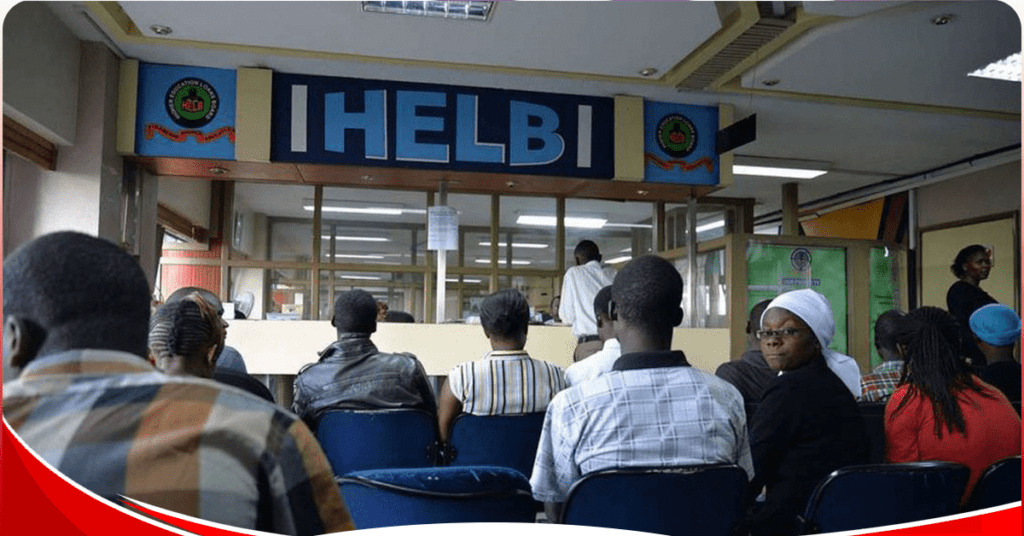
The Higher Education Loans Board (HELB) has taken a firm step to recover outstanding student loans by instructing private companies to deduct repayments directly from the salaries of defaulters. The remittances are to be made via an online portal by the 15th of every month.
This directive comes in response to persistently high default rates, with the latest data showing that 256,000 borrowers owe a total of Sh32 billion as of June 2025.
The move is grounded in the provisions of the 1995 HELB Act, which allows the board to pursue legal measures to recover loans.
HELB officials say the enforcement of salary deductions will ensure the recovery of funds, which are crucial for financing future students from needy backgrounds.
The board emphasized that while deductions will be automatic for formal employees, borrowers still have the option to settle their loans through alternative channels such as M-Pesa or bank payments.
Flexible repayment plans are also available for those struggling to meet the set amounts.
The decision has elicited mixed reactions. Some view the measure as long overdue, arguing that it is a necessary step to instill repayment discipline among borrowers who have benefited from taxpayer-funded loans.
Others note that automatic salary deductions are standard practice in the formal employment sector and see the move as a routine mechanism for ensuring compliance.
Borrowers are urged to engage with HELB proactively to avoid legal complications, as the board retains the authority to pursue defaulters through the courts if necessary.
Officials stress that the ultimate goal is not punitive but to maintain a sustainable loan system that continues to support access to higher education for Kenya’s youth.
With the introduction of these measures, HELB aims to significantly reduce the growing loan default backlog, ensuring that funds are available for future students while safeguarding the integrity of the national student loan scheme.