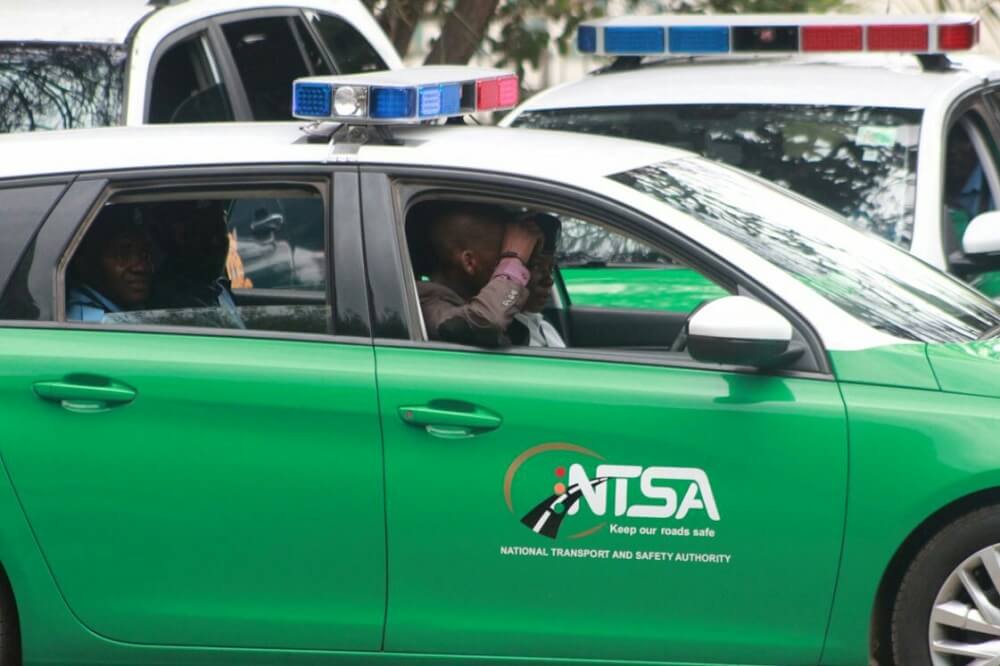
In conservatory orders issued on Thursday, March 12 morning, Justice Bahati Mwamuye restrained the National Transport and Safety Authority (NTSA) and the Office of the Attorney General from issuing, generating, demanding or enforcing automated traffic penalties produced through algorithmic or other automated decision-making systems.
In the petition filed by Sheria Mtaani through its lawyers Danstan Omari and Shadrack Wambui, they challenge the legality of the instant fines traffic management system rolled out by NTSA.
The judge further directed that KCB Bank Kenya be enjoined in the proceedings as an interested party.
In the interim orders, the court barred the respondents and the interested party, whether acting jointly or severally, from implementing or continuing to implement the impugned automated traffic penalties system pending the inter-partes hearing of the application.
According to court documents, the petitioners argue that the automated instant fines system imposes penalties immediately upon detection of an alleged traffic infraction without prior notice, warning or human review.
They contend that the system violates Articles 47 and 50 of the Constitution, which guarantee fair administrative action, procedural fairness and the presumption of innocence.
Through the application filed under certificate of urgency, the petitioners state that motorists are compelled to pay fines within seven days or risk administrative sanctions including denial of access to essential NTSA services.
They argue that the system effectively bypasses the constitutional mandate of the Office of the Director of Public Prosecutions by determining alleged offences and imposing penalties without instituting prosecution before a court of law.
The petitioners further argue that the automated system disregards safeguards provided under the Traffic Act including the requirement to serve notices and give alleged offenders an opportunity to be heard.
They also claim the system converts registered vehicle owners into automatic culprits even where they may not have committed the alleged offence.
The application further raises concerns over data protection, arguing that the decision-making process is executed solely through automated algorithms without human intervention.
According to the petitioners, this contravenes provisions of the Data Protection Act, 2019 and related regulations which require transparency in automated decision-making and guarantee individuals the right to human review.
They also question the collection of traffic fines through a commercial bank account linked to KCB instead of statutory government accounts, saying the arrangement raises accountability concerns over the handling of public revenue.
The petitioners argued that the continued implementation of the system threatens widespread harm to motorists across the country, as the automated penalties create pressure on citizens to pay fines before any adjudication is made.
Justice Mwamuye directed the petitioners to immediately serve the respondents and the interested party with the petition, application and the court orders and file an affidavit of service by the close of business on March 13, 2026.
The respondents and the interested party have been given until March 20, 2026 to enter appearance and file their responses.
The matter will be mentioned on April 9, 2026 to confirm compliance and to give further directions.