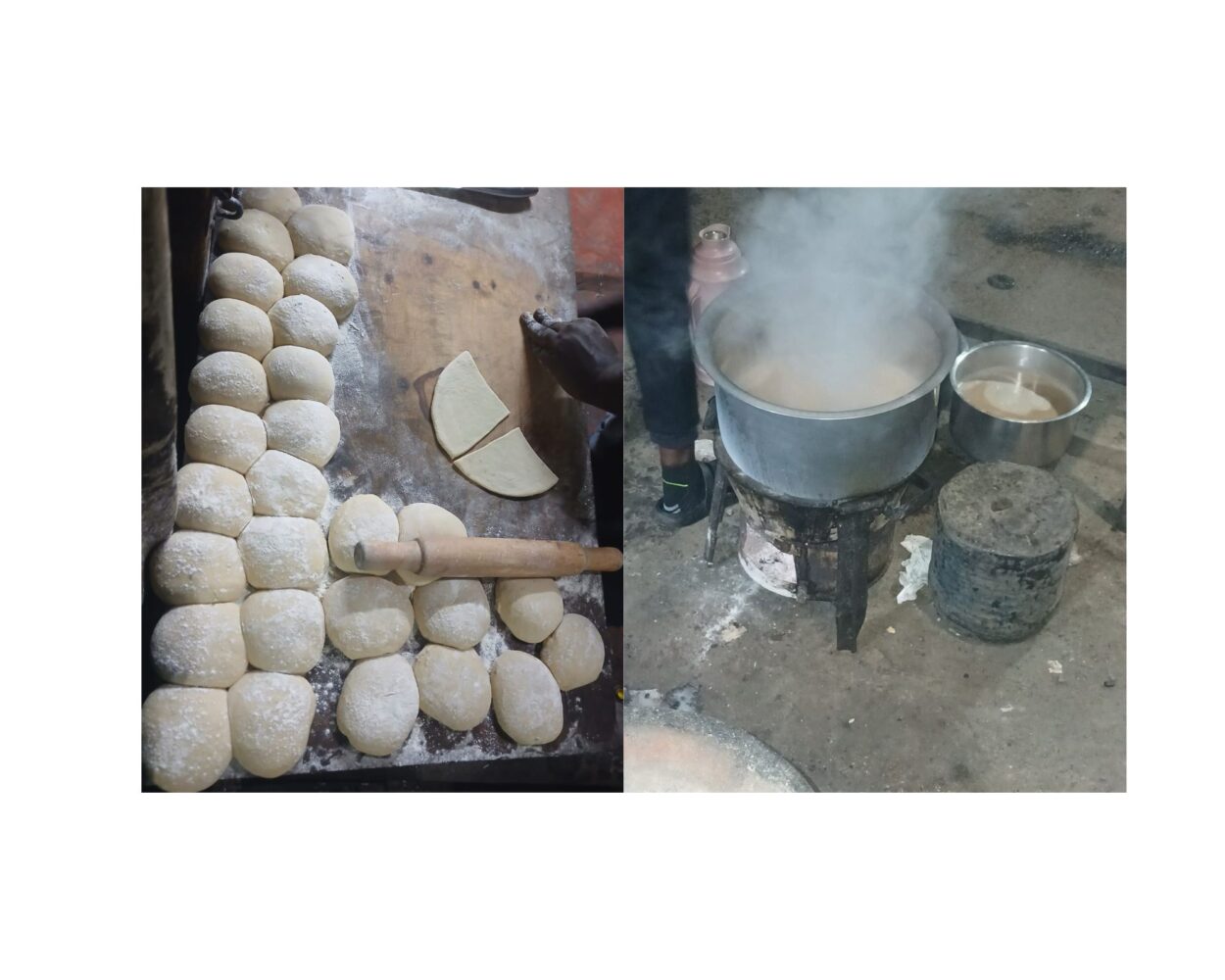
Before the first matatu conductor shouts, “Tao! Tao!” the breakfast vendors are already awake, and working.
It is three in the morning, and Nairobi is quiet in a way that feels unreal, butkazi ni kazi. And sometimes, you’ve got to do what you’ve got to do.
The quiet before the rush
Today, on my food escapades, I set out to observe Nairobi’s breakfast vendors, the ones who appear at dawn as if they have no alarm clocks to snooze.
They are always on time. After a few quiet conversations, most confirm their bodies know when to wake up, driven more by discipline and necessity. Carlton, one of the vendors, affirms with a short laugh:
At this hour, there are no customers, no noise, just the quiet rhythm of preparation. Flour, water, sugar, mix, fold, repeat.
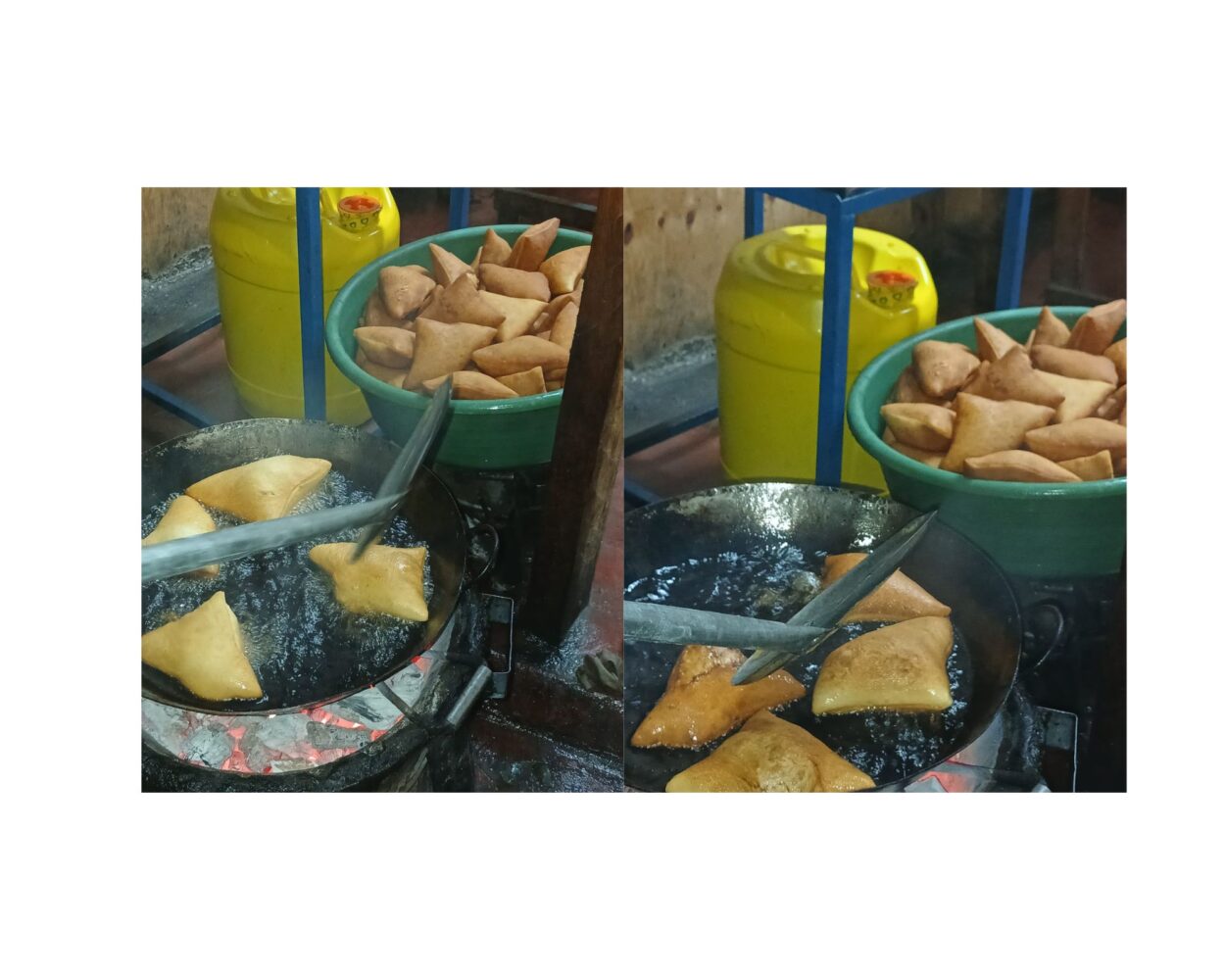
The first mandazi hits the hot oil, and that smell slowly fills the rare Nairobi fresh air. It is survival masked in survival. And I am only a witness to it.
Position is everything
By the time Nairobi starts waking up, they are already in position. Location is their leverage.
Their steaming carts glow in well-lit corners and corridors, signaling to early-bird customers that breakfast is available. Somehow, the tea and mandazi are always impressively hot.
Then the rush hits without warning. “Nipe chai na mandazi tatu haraka!” Cash in, cash out.
A boda rider pulls up, “Weka chai bila sukari, boss.”
A fundi stops for their usual. Then there’s the office worker, the silent type, always avoiding eye contact. Life has them by the collar, and you can see it in how quickly they take their breakfast and walk away.
The regulars who keep the business alive
It is the regulars who sustain this business. The security guard who is secretly a tea addict. The young student who buys a single mandazi and eats it on the way to school.
I stand there, observing, taking it in, knowing this story is not mine to interrupt.
This is more than a culinary masterpiece. This is a service performed quietly and consistently every day, without applause or recognition.
From construction workers to corporate professionals, everyone passes through their hands. There is no discrimination. Just tea and mandazi.
Closing time
By mid-morning, it’s game over. The customers fade, and the streets settle. The vendors inspect what remains, deciding whether to sell at a lower price, carry stock over to the next day, or accept the loss. There are no shortcuts. Experience is the only teacher here.
Closing time comes without ceremony. Utensils are washed, coins are counted, and everything is packed away.