Human-wildlife conflict for a long time has been a major contributor to environmental degradation, as humans strive to displace wild animals. That has resulted in negative impacts on nature and the ecosystem.
In Ontulili village, Laikipia county, a group of women dubbed ‘Ontulili Primate Protection group’ has used this conflict to champion for amicable ways of preventing human-wildlife conflict by use of technology to collect and analyze data that is used in conservation.
Joseph Ngarira, a forest officer at Mt. Kenya Trust says human-wildlife conflict in the area was caused by increased deforestation by humans hoping that the monkeys would disappear but that did not happen since the forest is a corridor for primates and therefore, they had nowhere else to go.
“Initially they thought cutting down trees would scare away the monkeys but instead they started invading farms in search of food thus, leading to conflict,” recalled Ngarira.
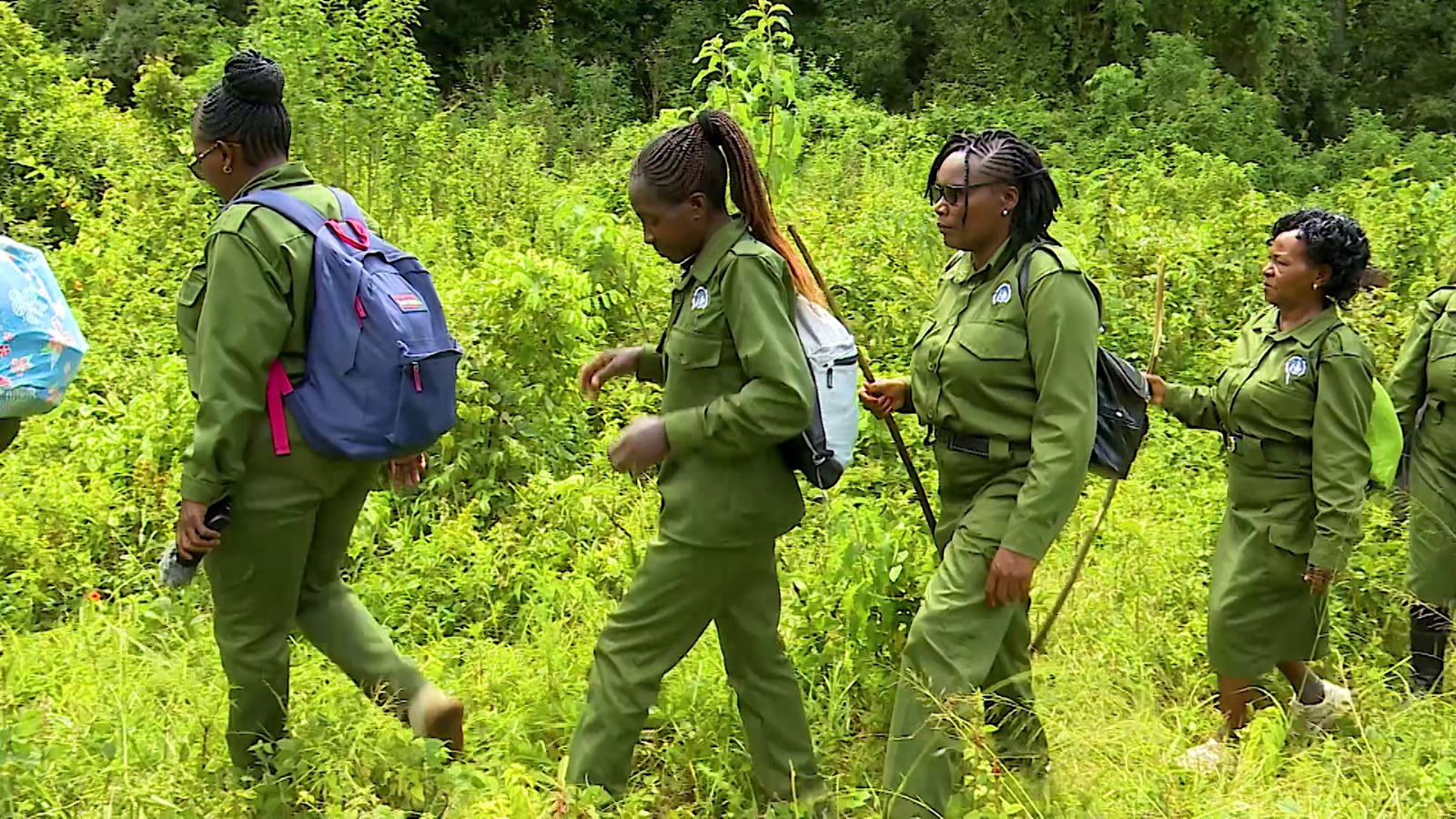
Dressed in their group attires, bag packs on their shoulders and sticks in their hands, they embark on their journey with one mission, saving mother nature.
“We take our conservation work as seriously as any other normal job by waking up early in the morning, preparing our homes since we are wives and parents as well, after which we then go out to take care of the environment,” says Mercy Wamuyu who is the oldest member of the group.
Ontulili primates’ protection group came together five years ago as a women empowerment group, but slowly refined to conservation owing to increased danger of human wildlife conflict in their community.
From being house wives to environment conservation champions, these women have managed to revolutionize their community, by use of locally available resources, and in the process earning a living.
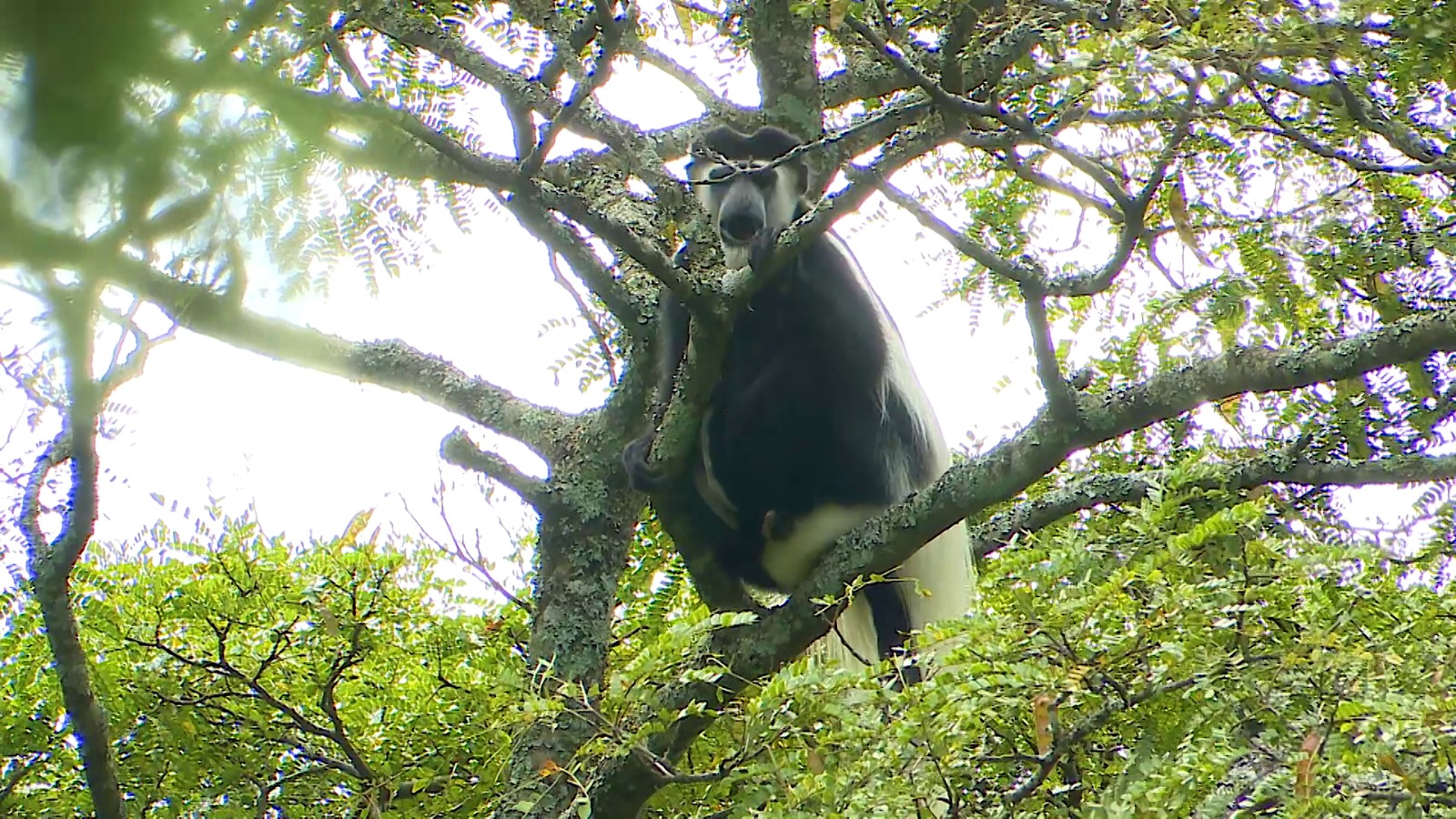
In a bid to mitigate human wildlife conflict, this group started planting tree species that is food and habitat for primates such as the Mt. Kenya White Colobus monkey species that have inhabited the area for the longest.
“Initially we came together to learn about cooking and knitting, but our sponsors saw it wise to include environmental conservation because through it we also manage to eke out a living from the tree seedlings we sell,” narrates Irene Wawira who is the team leader.
The guardians, as they call themselves, conduct patrols twice every week along Ontulili river basin, walking for approximately 6km, with the group constituting a blend of all ages.
“We cannot even explain how we ended up with a mixture of all ages, I guess it’s all about interest, for instance the youngest member is about 26 years while the oldest is above 50 years,” recalls Wawira.
The use of technology such as smart phone, binoculars and internet is playing a huge role in conservation efforts by the group since they have been trained on how to handle different equipments such as animal traps, as well as software like KoBo which they use to store animal data that they collect on primate and plant species.
Dr. Peter Fundi, is a researcher at Chuka University. He says working with these women has enabled them to better understand the benefits that come with environmental conservation as well as how to analyze the data they collect.

Efforts by this group have not gone unnoticed since they have been able to create awareness around the Ontulili community.
John Mwangi is one farmer who battled monkeys in his farm for long, but as a result of increased awareness on environment and animal conservation, he has devised mechanisms of protecting his crops from monkey invasion without conflict.
Mwangi invented a conventional as well as traditional mechanism that has helped wade monkeys away from his farm by use of cow dung and urine from rabbits.
“When I spread cow dung and rabbit urine around my farm, monkeys cannot come anywhere close since they hate the smell and that keeps them away,” Mwangi says.
The women have become heroes in the area and beyond, with their efforts drawing respect and recognition in forums such as the international primate’s day celebrations.
Drawn by a common goal, the women say they have managed to balance their conservation efforts with family responsibilities, a move that has seen their families also support their course.
Through unity, resilience, and a deep respect for nature, this women’s group in Laikipia is playing a vital role in conserving the Ontulili Forest and its surrounding ecosystems.
Their efforts not only ensure the survival of wildlife but also demonstrate how grassroots women-led initiatives can create lasting solutions for both people and nature.