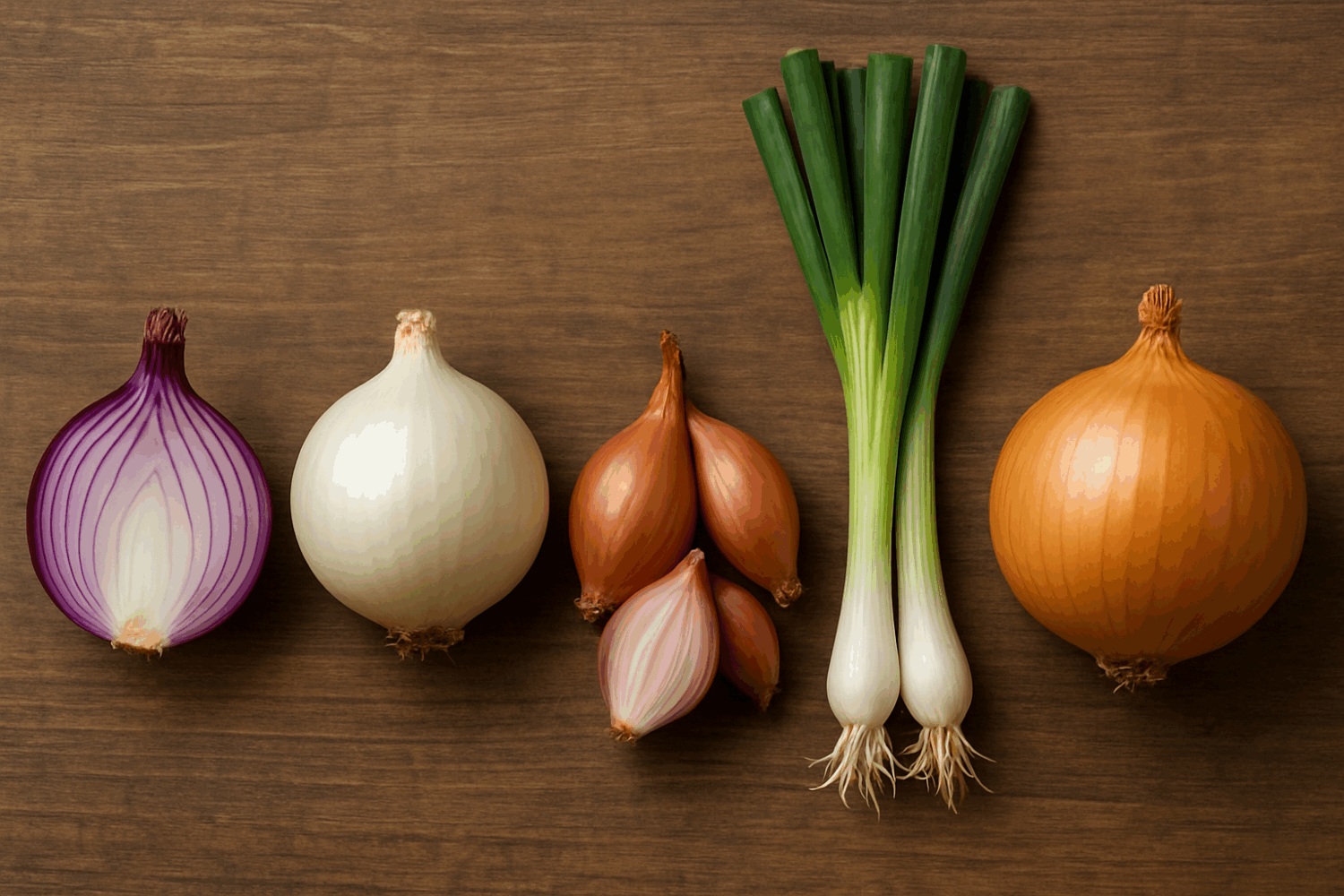
Have you been treating all onions the same? Well, you shouldn’t anymore, because it’s costing you serious flavor.
Every Kenyan kitchen has onions. They are as essential as salt and sometimes even more loved. But here is the thing that chefs and culinary masters whisper about in kitchens everywhere: each onion has its purpose. Pick the wrong one, and your dish suffers quietly.
Let’s fix that today.
Red onions, the raw food champion
Sharp, crisp, and simply good-looking, red onions were meant to be eaten raw. Their high flavonoid content gives them that bold, crunchy bite that makes kachumbari sting and salads feel fresh.
Culinary experts say red onions lose their magic the moment you overcook them, a point also supported by food science research from the Produce for Better Health Foundation, which notes that heat breaks down the pigments responsible for their flavor and color.

White onions, the flavor foundation
Punchy, pungent, and ready for heat, white onions are the workhorses of cooking. They soften quickly and lay down a deep, savory foundation for stews, sautés, soups, and wet fries.
According to Chef Leah Muriuki, a culinary instructor at the Kenya Utalii College, white onions release their aromatic oils faster than other varieties, which is why professional cooks use them as the base of almost every sauté.
Think of them as the quiet relative who never makes noise but somehow holds the entire family together.
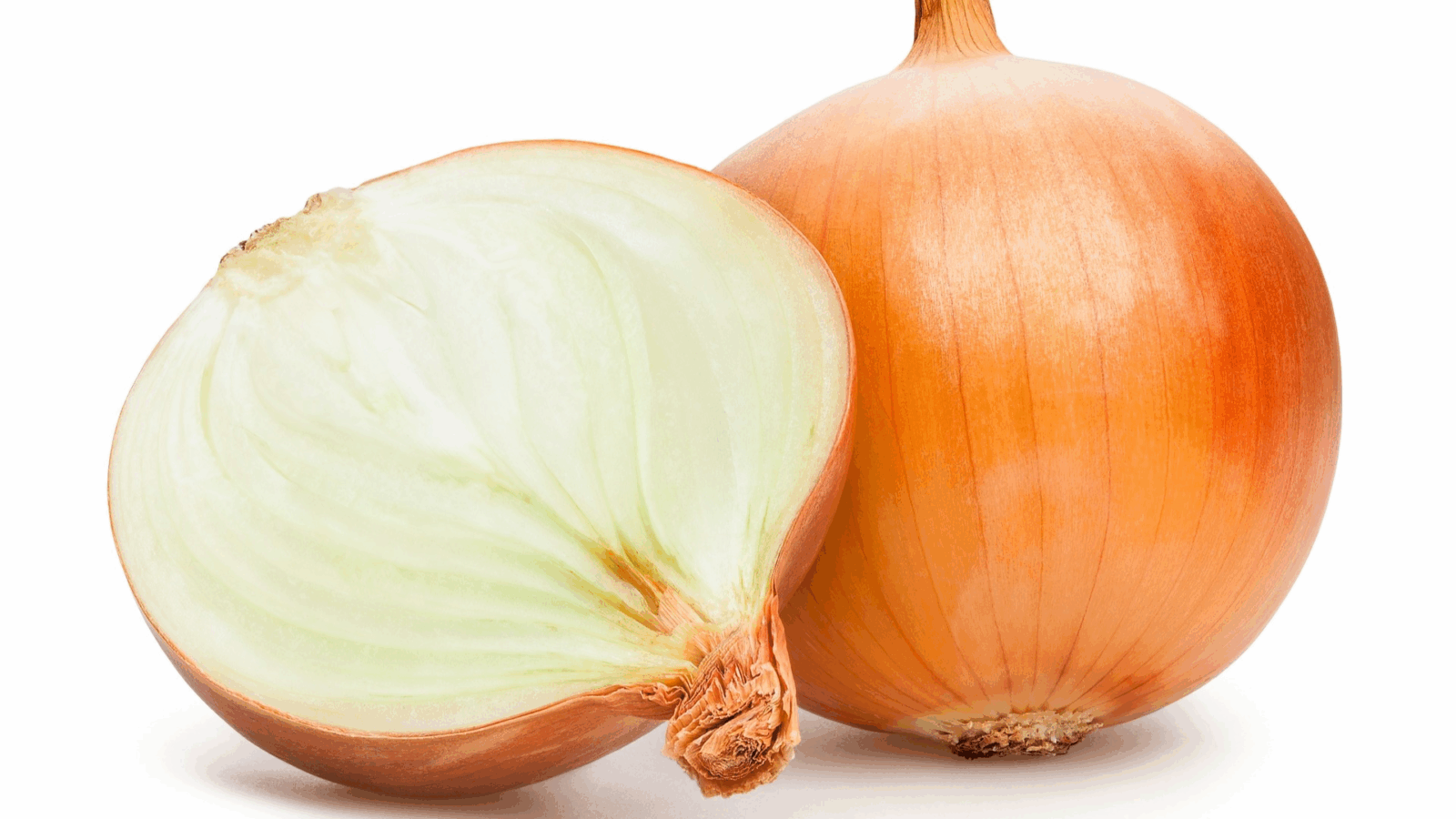
Yellow onions, the kitchen MVP
If you could only pick one onion for the rest of your cooking life, go for the yellow one. Slightly sweet, durable under heat, and perfect for caramelizing, yellow onions always deliver.
Culinary researchers say yellow onions have the ideal sugar-to-acid ratio for caramelization. A comparative analysis published in the Vietnam Journal of Science and Technology found that yellow onion cultivars accumulate significantly higher levels of reducing sugars than red varieties. A key reason they caramelize more evenly and develop deeper flavor. That is why restaurant onion rings always slap.
Shallots, the gourmet upgrade
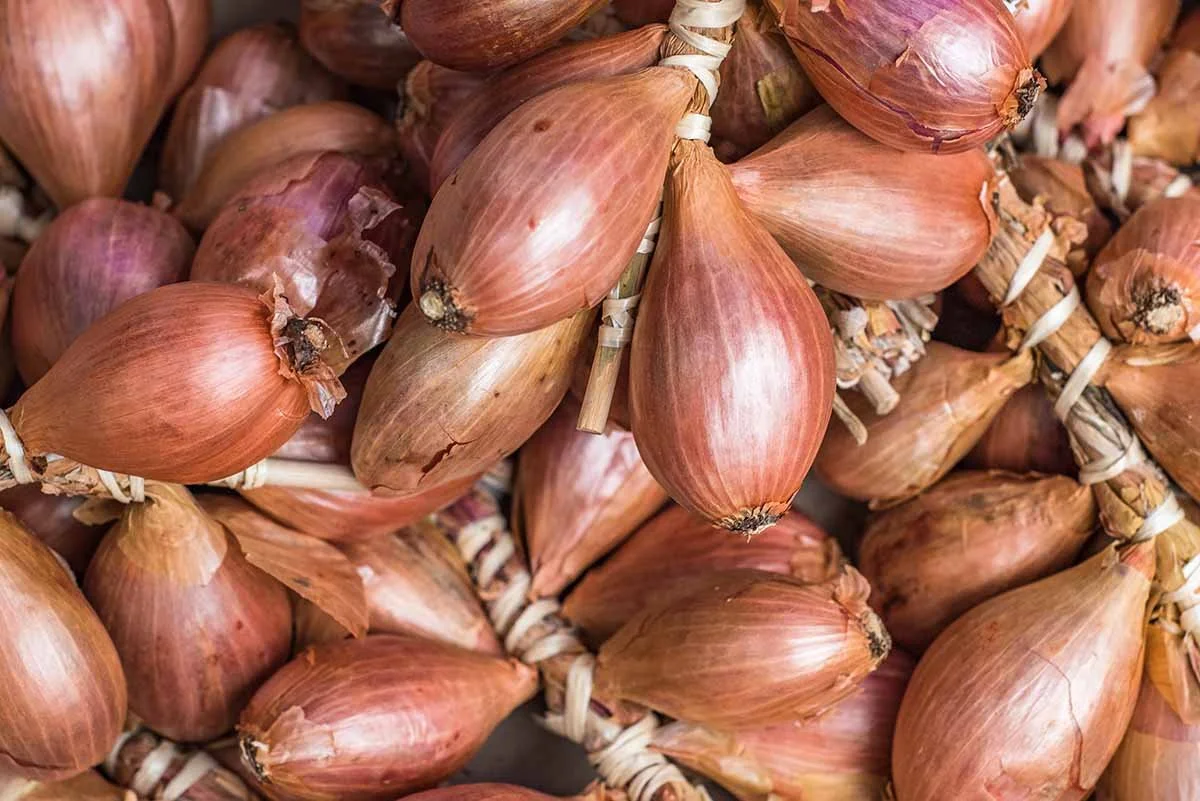
Soft, sweet, aromatic. Shallots are the fancy cousins of the onion family. They cost more, yes. But they elevate your food instantly.
A study published in the Journal of Food Composition and Analysis also found that shallots have significantly higher levels of phenolic compounds and antioxidants than common onions, contributing to their delicate sweetness and more complex aroma.
They are perfect for gourmet sauces, delicate sautés, and top-tier biryani. Think of them as the designer handbag of your kitchen. A little extra, but once you try them, there is no going back.
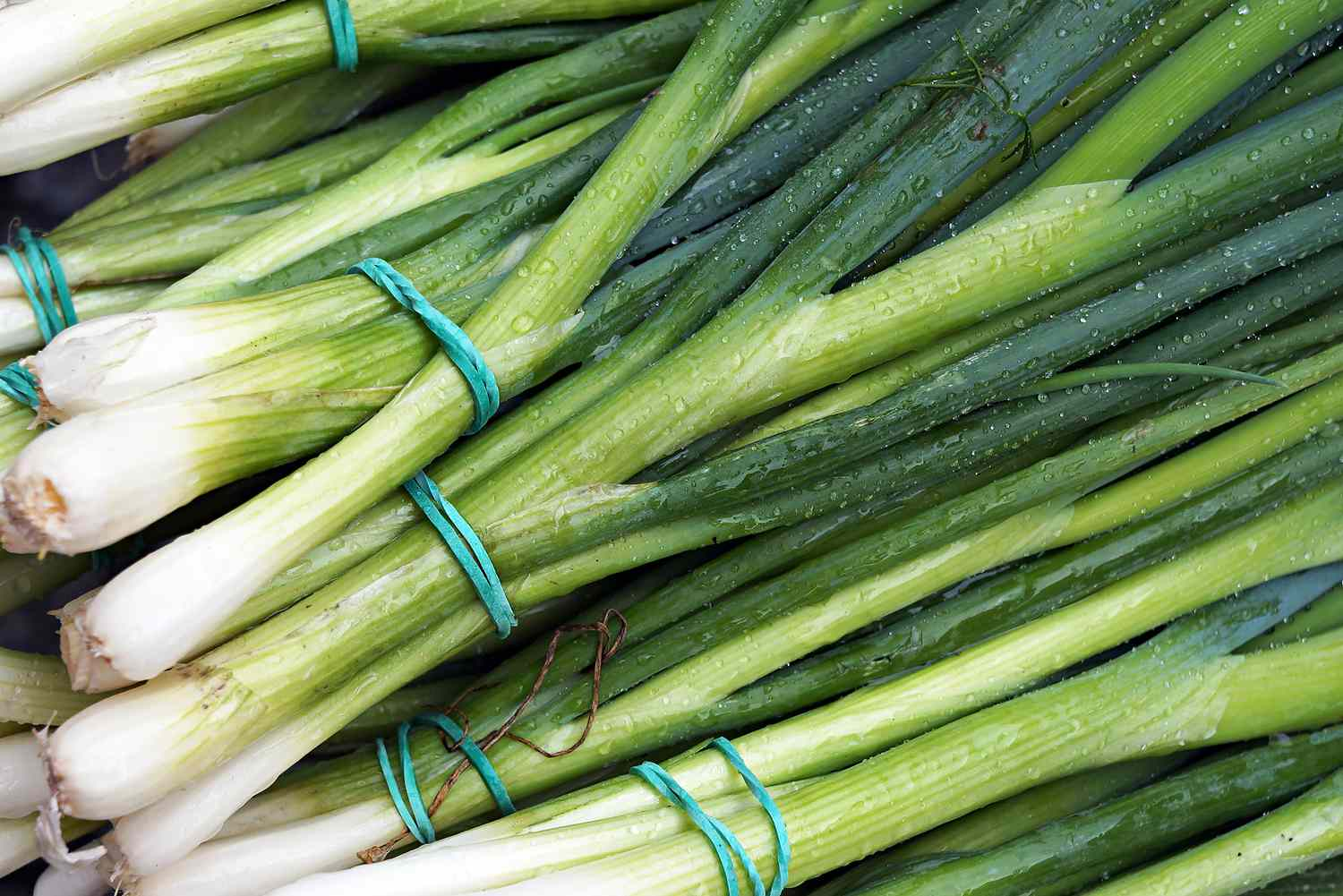
Scallions, aka spring onions, the fresh finisher
Bright, mild, and breezy, scallions are not meant to suffer in long cooking. They are your finishing touch. Add them to stir-fries, soups, eggs, and noodles, but always at the end.
As internationally renowned chef Yotam Ottolenghi notes, scallions lose their “green brightness” when exposed to prolonged heat, which is why he always uses them as a finishing lift in salads, broths, and noodle dishes.
The bottom line
Wrong onion equals wrong dish. Biryani with scallions? Chaos. Kachumbari with yellow onions? A culinary offense. Onion rings with shallots? Jail.
Your cooking is about to level up if you choose your onions like you choose your friends. Each plays a role.