This week, the Directorate of Criminal Investigations (DCI) held a high-level Anti-Money Laundering (AML) sensitisation seminar for senior officers in Mombasa and Nakuru, as part of ongoing efforts to improve Kenya’s response to money laundering, terrorism financing, and proliferation financing.
The seminar was delivered in four cohorts. Cohorts One and Two met from Monday, 2nd February to Tuesday, 3rd February 2026, while Cohorts Three and Four met from Thursday, 5th February to Friday, 6th February 2026.
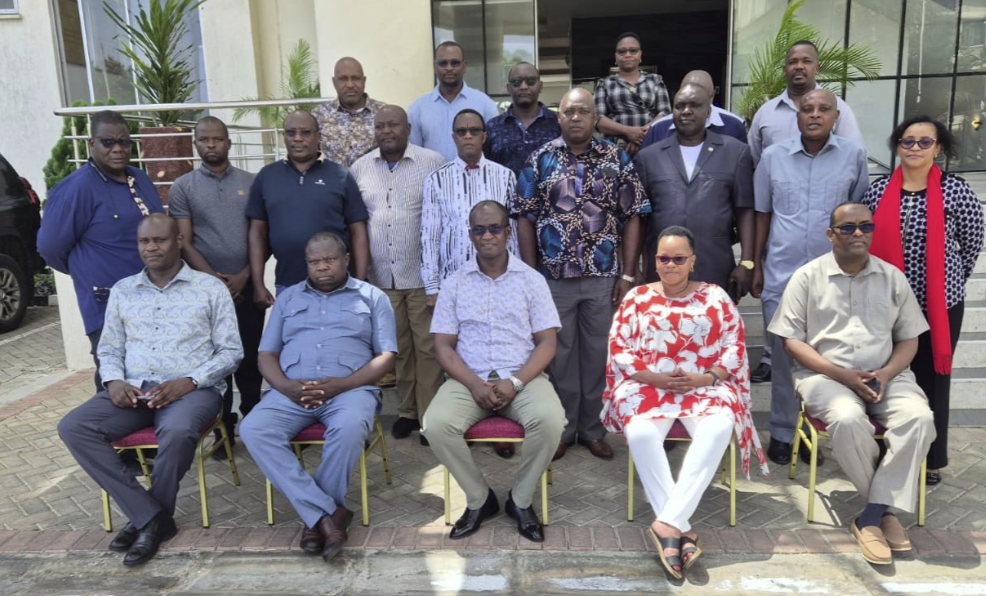
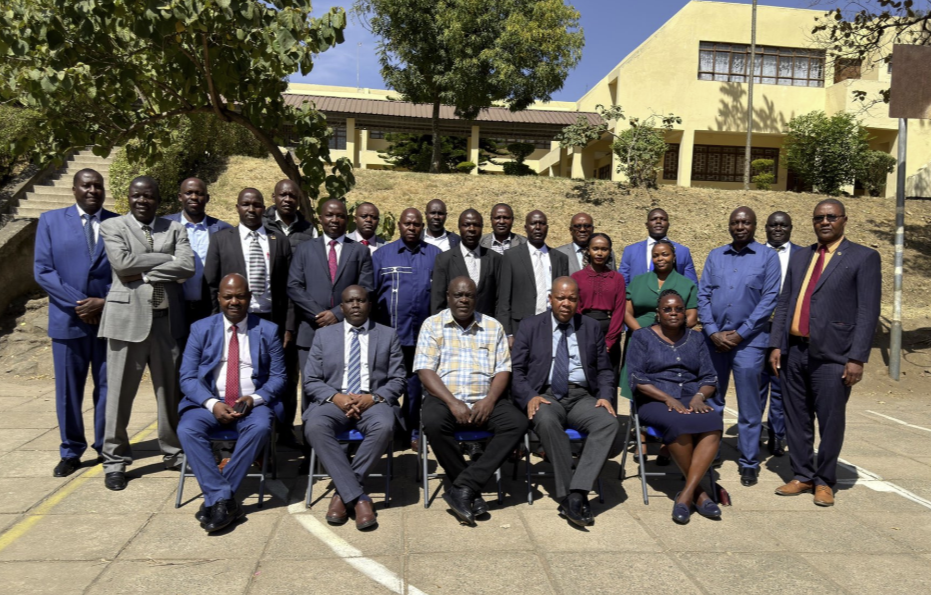
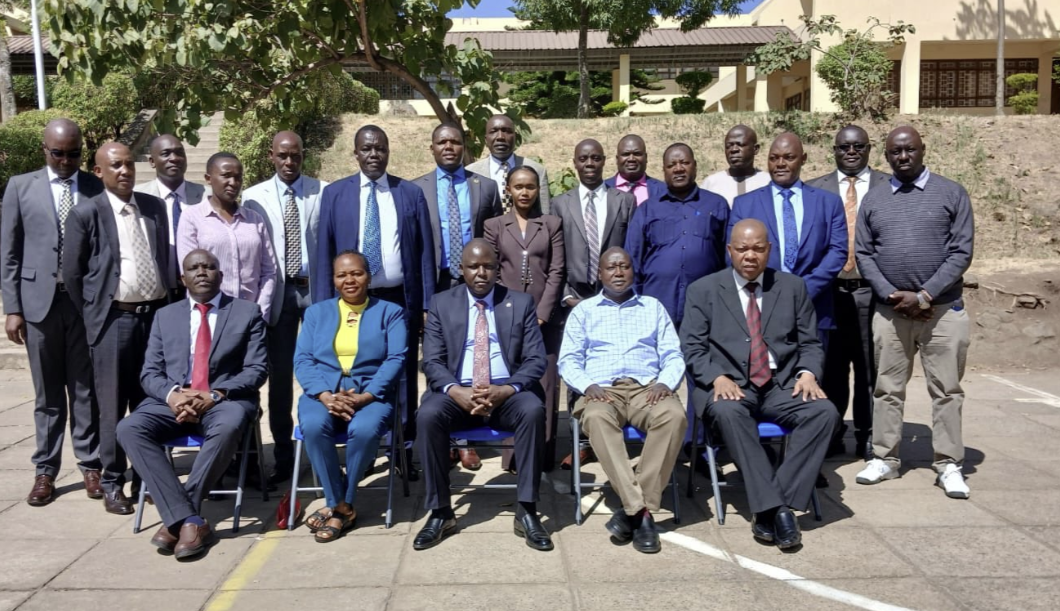
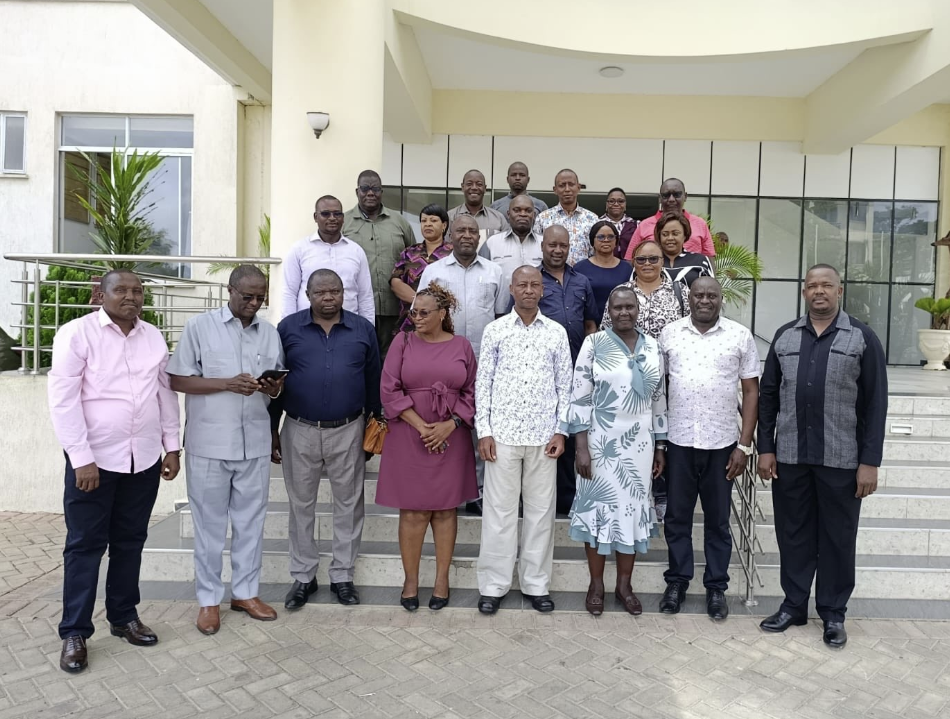
The sessions focused on Kenya’s recent placement on the Financial Action Task Force (FATF) grey list, with candid discussions about gaps found in investigations and prosecutions related to money laundering, counter-terrorism financing, and counter-proliferation financing.
Participants were taken through new and emerging forms of money laundering and terrorism financing, particularly the risks posed by unclear ownership structures, shell companies, virtual assets, and cryptocurrencies.
The seminar also delved into vulnerabilities in specific sectors, such as real estate, casinos, and Savings and Credit Cooperative Organisations (SACCOs). During the seminar, the Director of Criminal Investigations, Mr. Mohamed I. Amin, emphasised the important role investigators play in protecting the country’s financial system.
He pointed out that Kenya’s grey listing has serious effects, including reduced investor confidence and reputational risks.
“As the country’s main investigative agency, the DCI must deliver clear results through strong, intelligence-led investigations. Our goal is straightforward: trace illegal financial flows, disrupt criminal networks, and deny offenders access to the proceeds of crime,” said Mr. Amin.
The seminar also highlighted important legislative reforms, especially the Anti-Money Laundering and Combating of Terrorism Financing Act, 2025.
This new law improves regulatory oversight, strengthens customer due diligence requirements, requires reporting of suspicious transactions, increases penalties for non-compliance, and supports domestic and cross-border information sharing.
Additionally, the DCI outlined ongoing institutional reforms, including the development of clear Standard Operating Procedures, mandatory prioritisation of financial investigations in all profit-generating offences, and restructuring the Financial Investigations Unit (FIU) and the Anti-Terrorism Policing Unit (ATPU).
Other measures include better record management systems, specialised training programs, and enhanced collaboration with national, regional, and international partners.
Notably, the Eastern and Southern African Anti-Money Laundering Group (ESAAMLG) has recognised Kenya’s progress, reporting that 29 out of 40 previous recommendations have been addressed. This is an important step towards better financial integrity and eventual FATF compliance.
Senior officers were encouraged to show strong leadership, pass on the knowledge gained to their teams, and lead effective investigations that will protect Kenya’s financial system and speed up the country’s removal from the FATF grey list.
The DCI remains dedicated to improving financial crime investigations and continues to be a key player in national efforts to restore Kenya’s position in the global financial system.