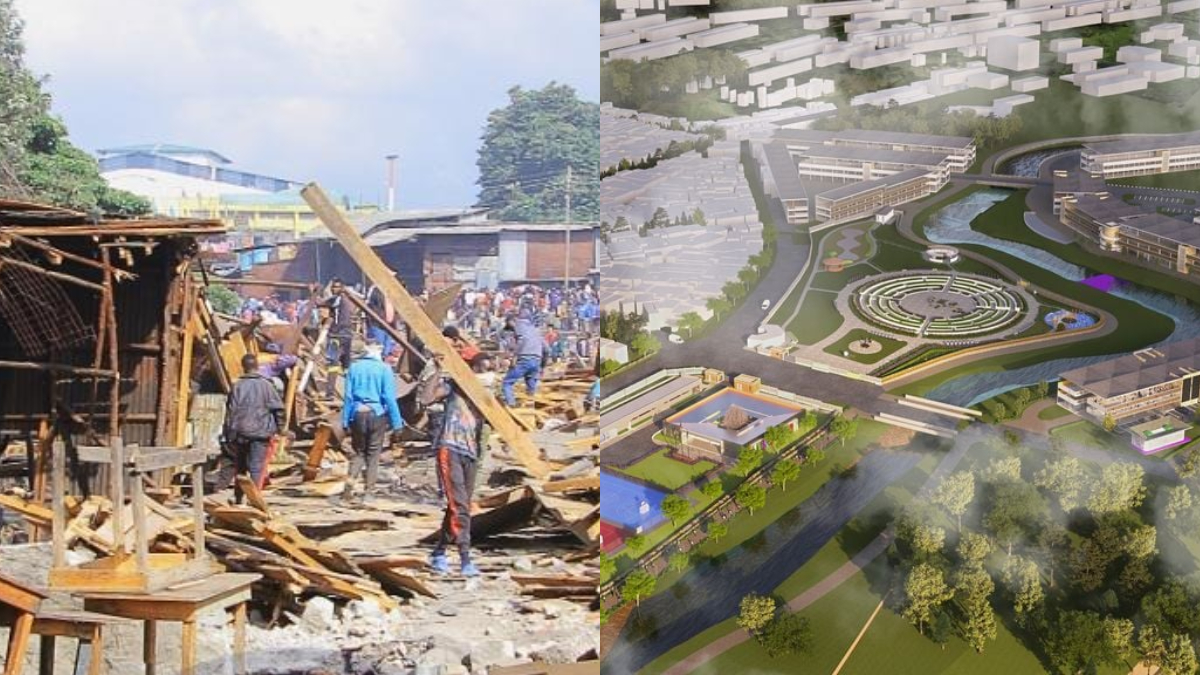
The ongoing demolitions at Gikomba Market have brought into sharp focus a multi-billion shilling government project aimed at transforming one of Nairobi’s busiest trading hubs into a modern, organized facility.
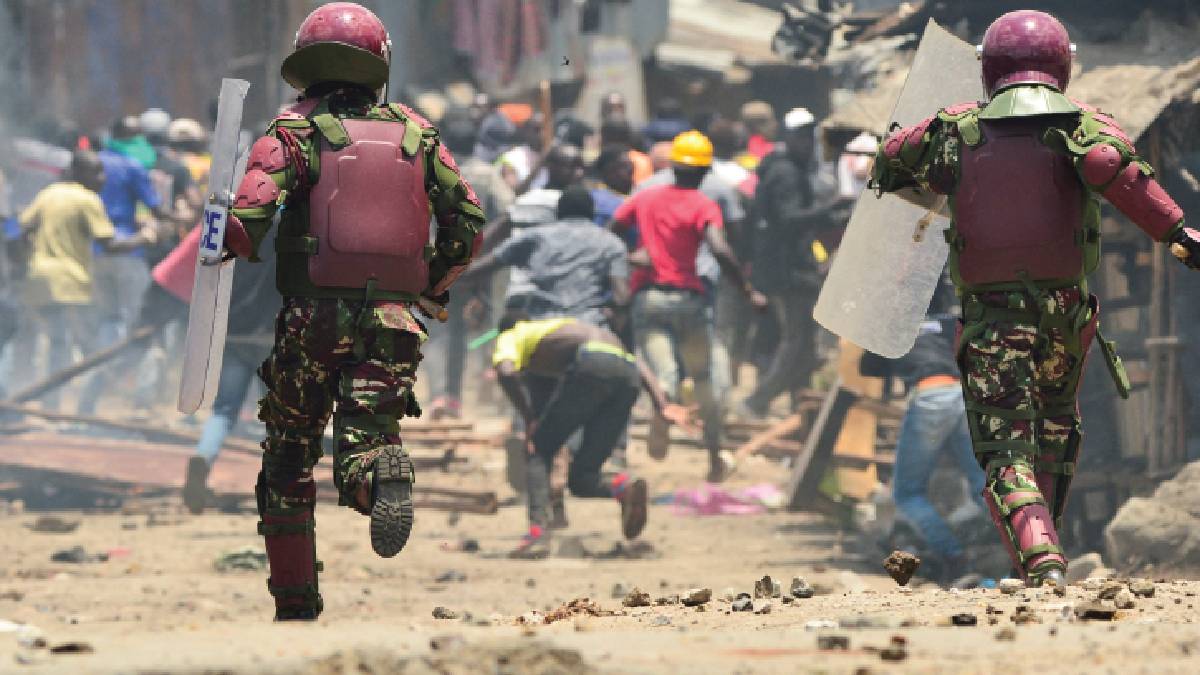
The exercise, which saw the shoe section of Gikomba market demolished during an overnight operation on March 30th, is part of a broader plan to clear traders from riparian land along the Nairobi River.
However, beyond the immediate impact on traders, attention is now shifting to the ambitious redevelopment project set to redefine Gikomba.
According to the State Department for Housing and Urban Development, the government has committed approximately KSh 3.8 billion towards the redevelopment of the Market.
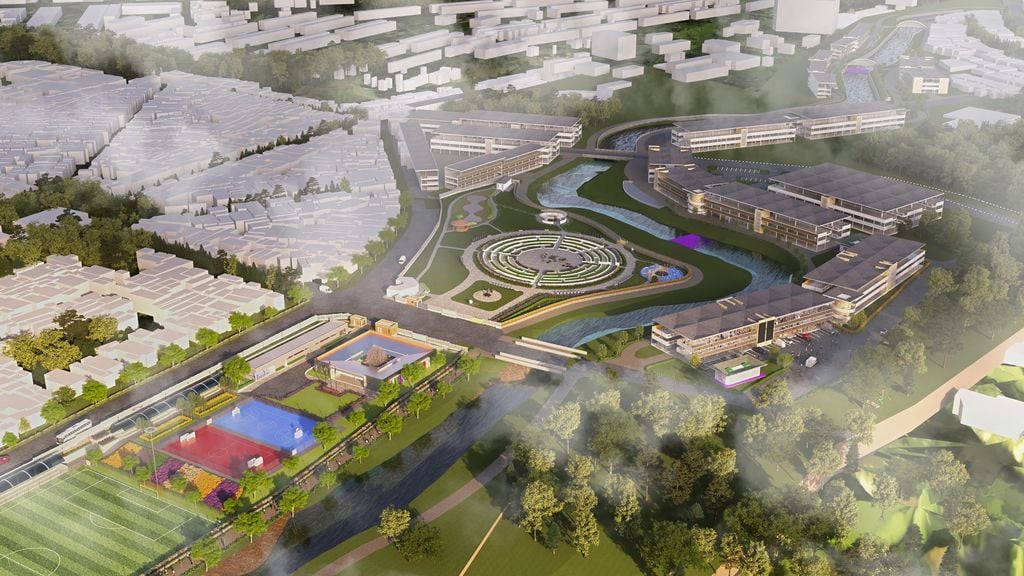
The project, spearheaded under the Nairobi River Commission (NRC), is designed not only to reclaim riparian land but also to address long-standing challenges that have plagued the market, including frequent fires, flooding and poor waste management.
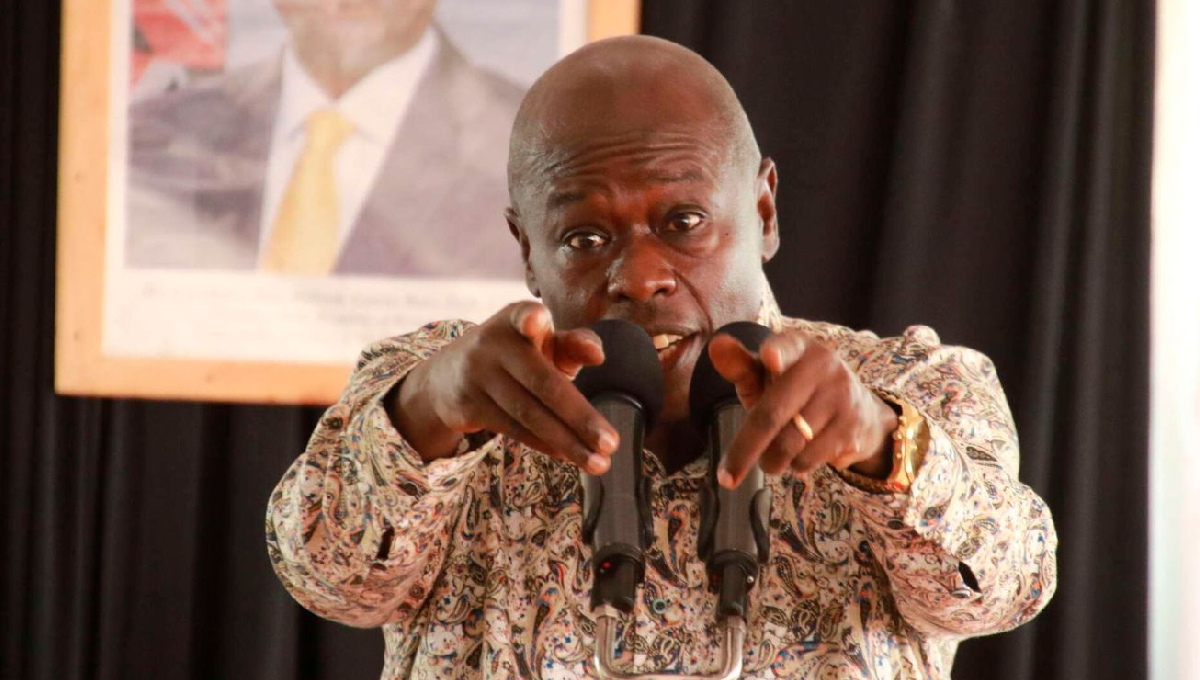
According to Principal Secretary for Housing, Charles Hinga; “…We are going to invest close to 3.8 billion Kenya shillings around that entire ecosystem to do the markets, to do a new sewer line in Gikomba…”
Additionally, Mbugua Kimathi the overall chairman of Gikomba market, has assured the public that traders are willing to comply with moving to the temporary holding ground which is estimated to host around 4,000 traders.
But what exactly will the New Market Offer? Once complete, the new market is expected to feature modern infrastructure tailored to support thousands of traders. These include:
- Improved sanitation facilities, including clean and accessible toilets Reliable water supply systems
- A designated waste management system to reduce pollution
- Structured stalls and organized trading zones
- Enhanced safety measures to minimize risks such as fires
The project will also include the construction of a new trunk sewer line, aimed at improving drainage and sanitation around the Nairobi River corridor. The redevelopment will be carried out in four phases, with the first phase already underway.
Additionally, traders have been required to contribute KSh 5,000 each to secure space in the temporary facility an issue that has sparked mixed reactions.
While some traders and leaders have welcomed the project as a long-overdue upgrade, others remain sceptical. Concerns have been raised over space limitations, cost implications, and the overall transparency of the relocation process.
Despite the concerns, market leadership maintains that the exercise is lawful and necessary, noting that traders were issued with a 30-day notice prior to the demolitions.
Whether the KSh3.8 billion investment will deliver on its promise of a modern trading environment now depends on how effectively the transition is managed and whether the needs of thousands of traders will be fully addressed.