Bribery is a criminal offence under Kenya’s Anti-Corruption and Economic Crimes Act. Oversight of police conduct falls under the Independent Policing Oversight Authority, while corruption investigations are mandated to the Ethics and Anti-Corruption Commission.
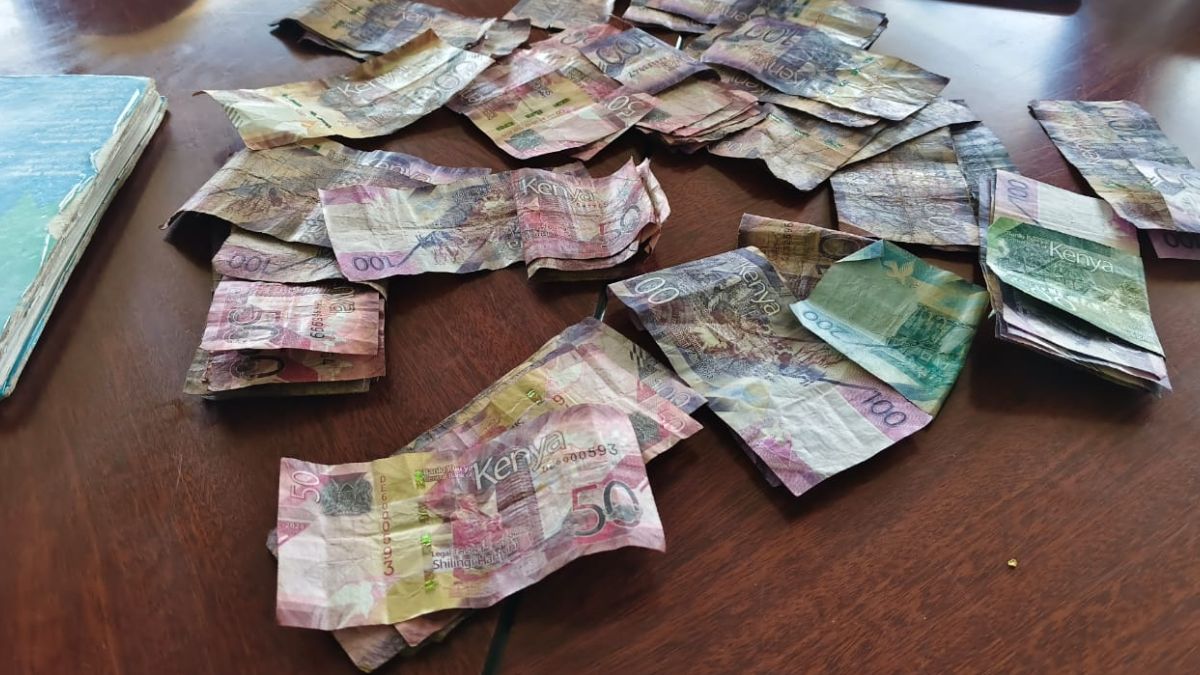
Yet across highways and urban roads, many motorists and public service vehicle operators secretly give a “50 bob” or “100 bob”, which has become a routine. When these small cash exchanges are treated as routine, they stop feeling like crimes and start feeling like a procedure.
Over time, this creates institutional tolerance, where illegal behaviour survives because it is socially accepted and rarely challenged. While individual officers are rarely named, anti-corruption experts warn that petty bribery rarely operates in isolation.
The bigger question is not just whether the bribes happen but how such practices persist despite oversight bodies, complaint mechanisms, and periodic crackdowns.
If low-level bribery continues unchecked, it erodes public trust, inflates transport costs, and reinforces a culture where illegal payments become “just part of the system.”
Authorities have previously urged citizens to report misconduct. However, fear of retaliation, lack of follow-up, and slow investigations often discourage formal complaints.
Corruption does not always begin with millions. Sometimes it begins with fifty shillings.