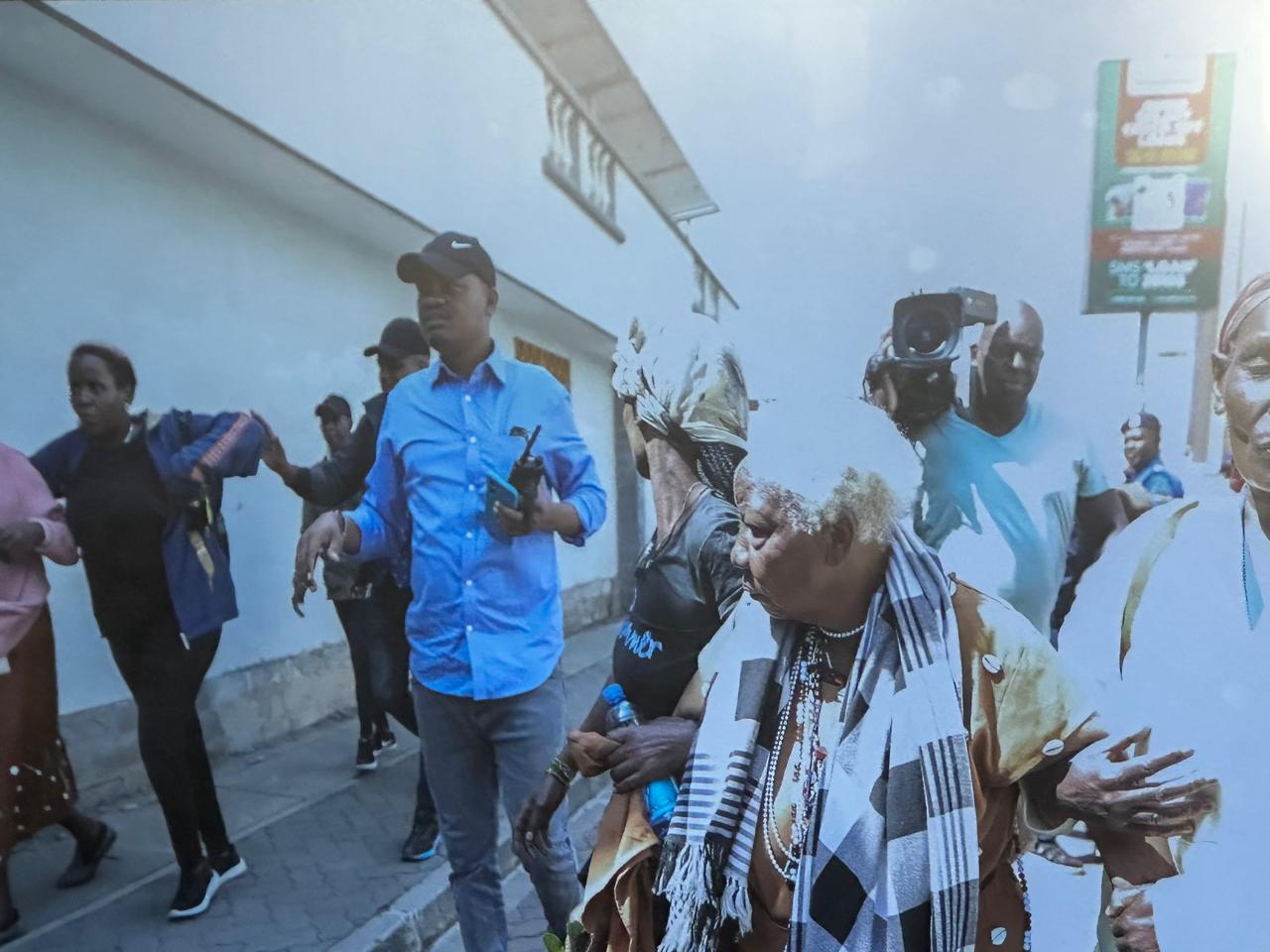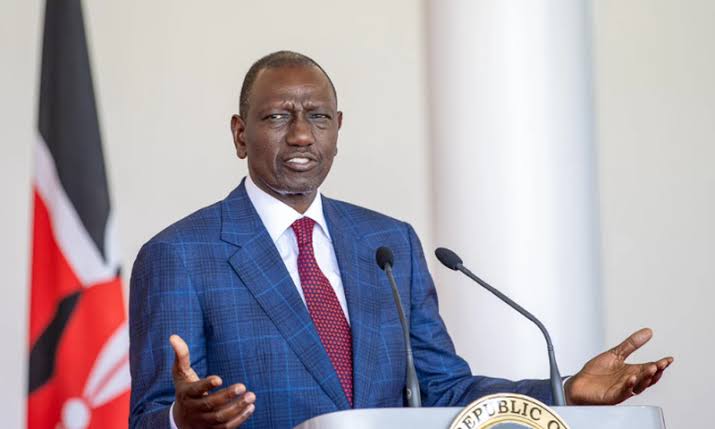
In Kenya, justice for protest victims is slowly being reduced to a figure calculated, allocated, and debated while families continue to grapple with loss that cannot be quantified.
From the streets where lives were cut short during demonstrations, to courtrooms now assigning monetary value to those deaths, a difficult question lingers: can compensation truly stand in for accountability?
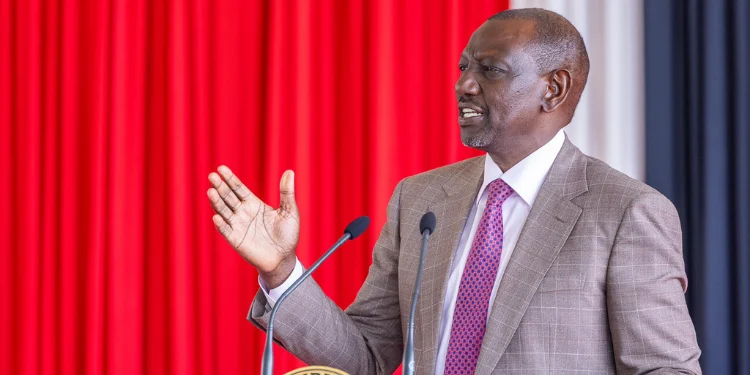
The state, under William Ruto, has moved to address growing public outrage by committing KSh 2 billion towards compensating victims of protest-related violence.
At the same time, the High Court of Kenya has awarded KSh 38,627,050 to families affected by police brutality while issuing firm directives aimed at ensuring that reforms on how protests are policed.
In its ruling, the court awarded compensation to the first nine petitioners for loss of life, while the remaining petitioners, from the 10th to the 28th, received damages for injuries, with amounts varying based on the severity and long-term impact of their harm.
These rulings acknowledge what many have long argued: that excessive force has come at a deadly cost.
But beyond the figures lies a more uncomfortable truth.
The Kenya National Commission on Human Rights, now leading the compensation framework, has drawn clear lines only victims from 2017, 2024, and 2025 will be considered.
Families have until April 3 to file claims, a deadline that for many feels less like an opportunity and more like a race against bureaucracy, grief, and limited access to documentation.
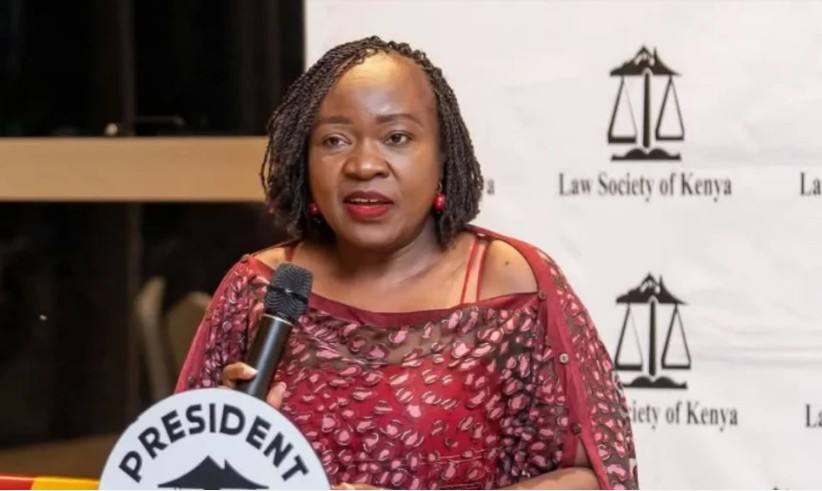
KNCHR Chairperson Claris Ogangah has defended the process, insisting compensation is not about “paying people for dying,” but about acknowledging state wrongdoing and restoring dignity.
Yet even Claris Ogangah admits the funds set aside may not match the true scale of suffering.
And that suffering is layered.
For every documented case, there are others unreported, unresolved, or forgotten.
For every family preparing paperwork, there are those still searching for answers.
Compensation, in this context, risks becoming transactional an endpoint rather than a step toward justice.
Human rights defenders like Irungu Houghton warn of exactly that.
Without accountability, they argue, compensation becomes a substitute for justice rather than a complement to it.
The danger is clear: a system where lives are lost, payments are made, and the cycle quietly continues.
Across the political divide, leaders remain sharply split.
Some defend police actions as necessary to maintain order in volatile protests.
Others point to a pattern of excessive force, demanding not just compensation but consequences for those responsible.
Between these positions lies a fragile truth that victims’ families know all too well: acknowledgment without accountability is not justice.
The courts have spoken. The government has pledged. The framework is in motion.
But as the April 3 deadline approaches, the burden once again falls on victims to come forward, to prove their loss, to fit their grief into forms and timelines.
In a system meant to deliver justice, they are still the ones doing most of the work.
And so, the country stands at a crossroads.
Will compensation mark the beginning of accountability or its replacement?
For many Kenyan families, the answer will not be found in the millions awarded, but in whether the system that failed them is finally forced to change.