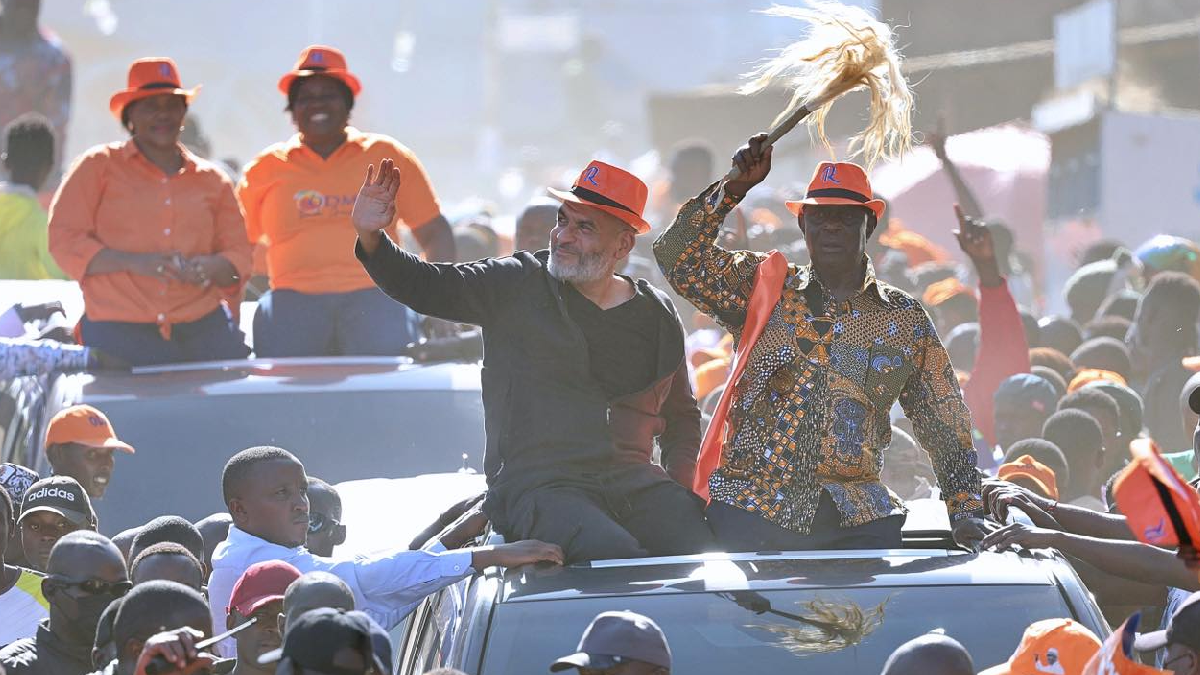
A section of youth from Kasipul Constituency in Homa Bay County has come out in support of the Orange Democratic Movement (ODM) Central Management Committee’s resolution to engage in structured talks with the United Democratic Alliance (UDA), saying the move signals a pre-election understanding that will strengthen the broad-based government.
Speaking during a youth engagement forum, the patron of the Youth 4 Youth initiative and West Kasipul Member of County Assembly (MCA), Vickins Bondo, said UDA’s ratification of the talks demonstrates goodwill between the two parties and lays the groundwork for political stability ahead of the 2027 General Election.
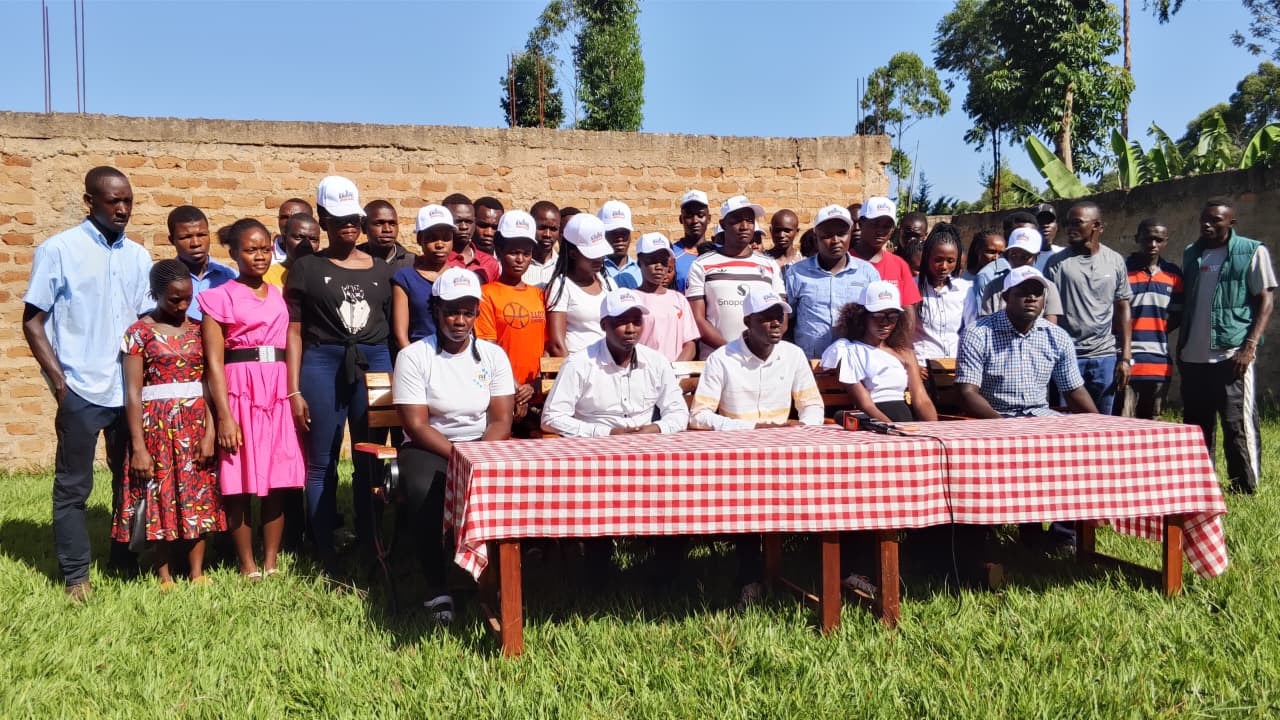
Bondo noted that the emerging cooperation would not only consolidate governance but also help fast-track key national processes, including compensation for victims of the Gen Z-led protests witnessed in recent months. According to the MCA, a united political front would make it easier for government institutions to address grievances raised by young people and restore public confidence.
“The broad-based government has already put in place programs aimed at empowering the youth economically and socially,” Bondo said. “I urge young people to rise up, organize themselves, and take advantage of these opportunities instead of allowing themselves to be used for political confrontations.”
He added that unity between major political formations would reduce tension at the grassroots and create an enabling environment for development projects in Kasipul and the wider region.
On her part, Beryl Onyango, an executive member of the Youth 4 Youth movement, welcomed the rapprochement between ODM and UDA, arguing that it would help curb political violence that has often seen youths used as the face of chaos during periods of heightened political rivalry.
“For a long time, political differences between parties have fueled hostility, and youths have borne the brunt of it,” Onyango said. “A merger of ideas and cooperation between ODM and UDA will reduce violence and allow young people to channel their energy into productive ventures.”
The youth maintained that structured dialogue between the two parties would promote national cohesion, reduce political intolerance, and shift focus toward service delivery and inclusive development. They called on leaders across the political divide to prioritize unity and place the interests of the youth at the center of national discourse.
The endorsement by the Kasipul youths adds to growing grassroots voices backing cross-party engagement, as the country navigates a changing political landscape under the broad-based government framework.