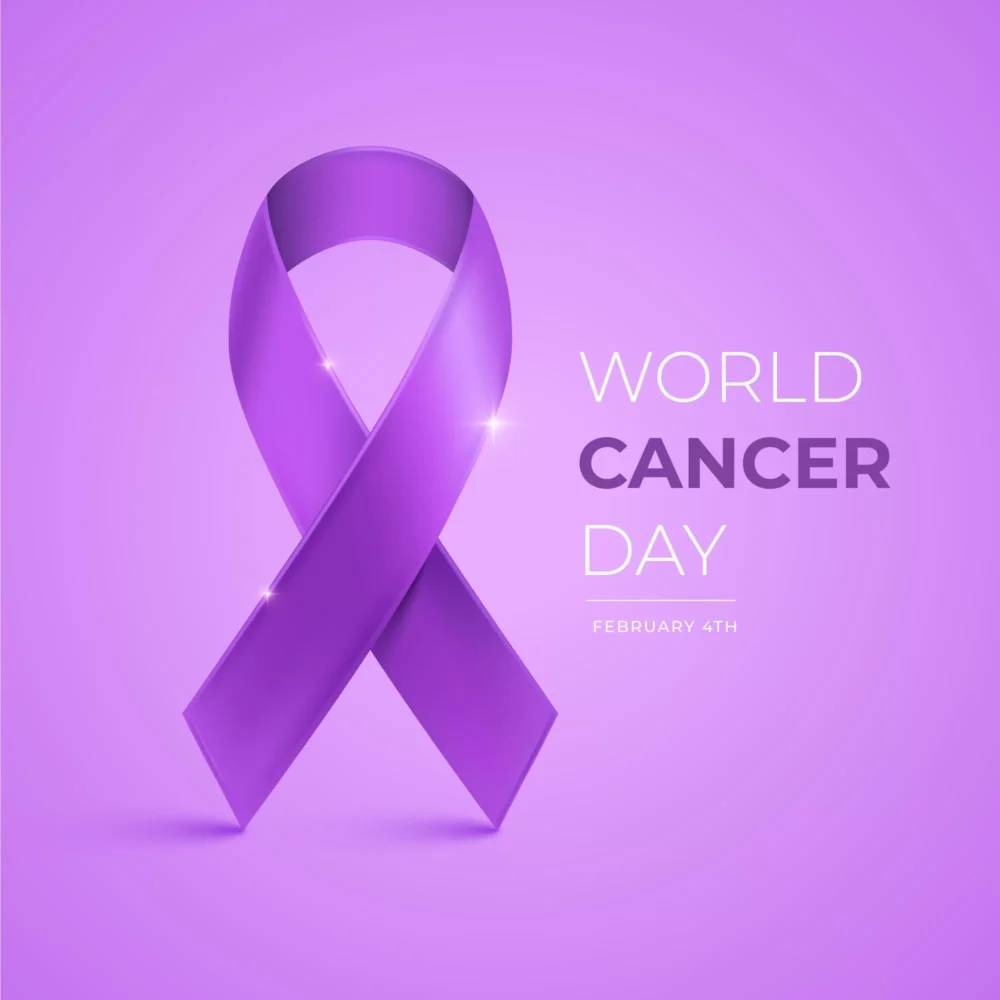
As the world marks World Cancer Day today, 4th February 2026, the World Health Organization (WHO) has issued a strong call for African nations to address what it describes as a rapidly escalating public health challenge.
In a message to the continent, WHO Regional Director for Africa, Dr.Mohamed Janabi, emphasized that cancer is no longer a hidden crisis.
“Cancer is no longer a silent crisis in Africa. It is a growing public health emergency that demands urgent, equitable and sustained action.” part of the statement read.
He noted that across the region, over one million people are diagnosed each year, with nearly the same number losing their lives.
According to him, many of these deaths occur not because treatment options are unavailable, but because access to timely and affordable care remains out of reach for millions.
“Each year, more than 1 million new cases are diagnosed, and nearly 1 million people lose their lives to the disease.
Behind these numbers are mothers, fathers, children and young people whose lives are cut short not because solutions do not exist, but because access to those solutions remains unequal.” the statement read.
Dr.Janabi urged government and partners to move beyond policy commitments and focus on practical results, such as increasing vaccination coverage, expanding screening services, strengthening treatment facilities, and ensuring palliative care is part of routine health services.
“The past year has demonstrated what is possible when cancer control becomes a national priority. Countries across the region have expanded HPV vaccination, strengthened cervical cancer screening services, improved access to childhood cancer care, and begun integrating palliative care into routine health services. These are important foundations for long-term survival gains.
Yet, major gaps persist. Delayed diagnosis remains common. Service interruptions disrupt the continuity of care. Specialized health workers are in short supply.
Access to radiotherapy, pathology, and essential cancer medicines remains extremely limited in many settings. For too many families, the cost of care is catastrophic. ” Dr. Janabi wrote.
In Kenya, the burden remains significant. Data from the Ministry of Health indicates that the country records about 45,000 new cancer cases annually, with approximately 29,000 deaths linked to the disease.
Cervical cancer alone accounts for thousands of new diagnoses and fatalities each year, underlining the importance of preventive measures such as HPV vaccination and regular screening.
During a special segment on TV47’s Matukio Show hosted by Joash Onsare, cancer survivors and a specialist shared insights into the challenges facing patients and the healthcare system.
One survivor, Terry Miano, highlighted the role of limited public awareness, lack of accessible screening programs, and the high cost of medical insurance in contributing to late diagnoses and poor outcomes.
He stressed that community education and affordable healthcare coverage are critical in reversing current trends.
Cancer specialist Dr Daniel Nyongesa explained that cervical cancer is largely caused by the human papillomavirus (HPV).
He encouraged parents to ensure girls receive the HPV vaccine at an early age, describing it as a powerful tool in preventing the disease before exposure risks increase later in life.
Another survivor, Rose Adero, spoke about the emotional toll of battling cancer alongside her spouse, who later passed away.
She said the journey pushed her into deep distress, but connecting with other survivors gave her renewed strength, encouragement, and the determination to keep going.
WHO and health advocates are calling for sustained investment in prevention, early diagnosis, treatment, and supportive care.
They argue that success should be measured not by the number of policies written, but by lives saved, financial hardship reduced, and equitable access to quality care for all.
As Africa and Kenya join the global community in observing World Cancer Day, the message remains clear: with collective effort, stronger health systems, and continued public engagement, the fight against cancer can be transformed into a story of hope, resilience, and survival.