Kenya has taken a major step in strengthening the use of space-based data for national development following the establishment of the National Earth Observation Data Council (NEODC).
The council was formally created on March 23, 2026, after key stakeholders adopted the Malindi Declaration, setting up a multi-stakeholder body to oversee the sharing and governance of Earth Observation (EO) data in the country.
The NEODC will spearhead the implementation of Kenya’s Earth Observation Data Sharing Framework 2026, as well as the United Nations Integrated Geospatial Information Framework (UN-IGIF) Country Action Plan. The initiative is expected to enhance how the country collects, shares and utilises data derived from satellites and other geospatial technologies to support decision-making.

Chaired by the Kenya Space Agency (KSA), the council aligns with key national priorities, including Vision 2030, the Bottom-Up Economic Transformation Agenda (BETA), and the Digital Economy Blueprint. It also supports existing legal frameworks such as the Data Protection Act and the Statistics Act.
According to stakeholders, the framework is designed to promote transparency, collaboration and innovation, while safeguarding national data sovereignty. It positions Kenya to better harness Earth observation data to drive inclusive growth, improve resilience and deliver tangible benefits to citizens.
The council brings together a wide range of institutions, with executive members including the Kenya Space Agency, Kenya National Bureau of Statistics, Survey of Kenya, National Land Commission and the Directorate of Resource Surveys and Remote Sensing. Additional members are drawn from government agencies, academia, the private sector, civil society and international partners.
Its core objectives include strengthening institutional capacity, improving data uptake, promoting innovation and ensuring ethical use of Earth observation data. It will also work to establish standards and systems that make data more accessible, interoperable and reusable across sectors.
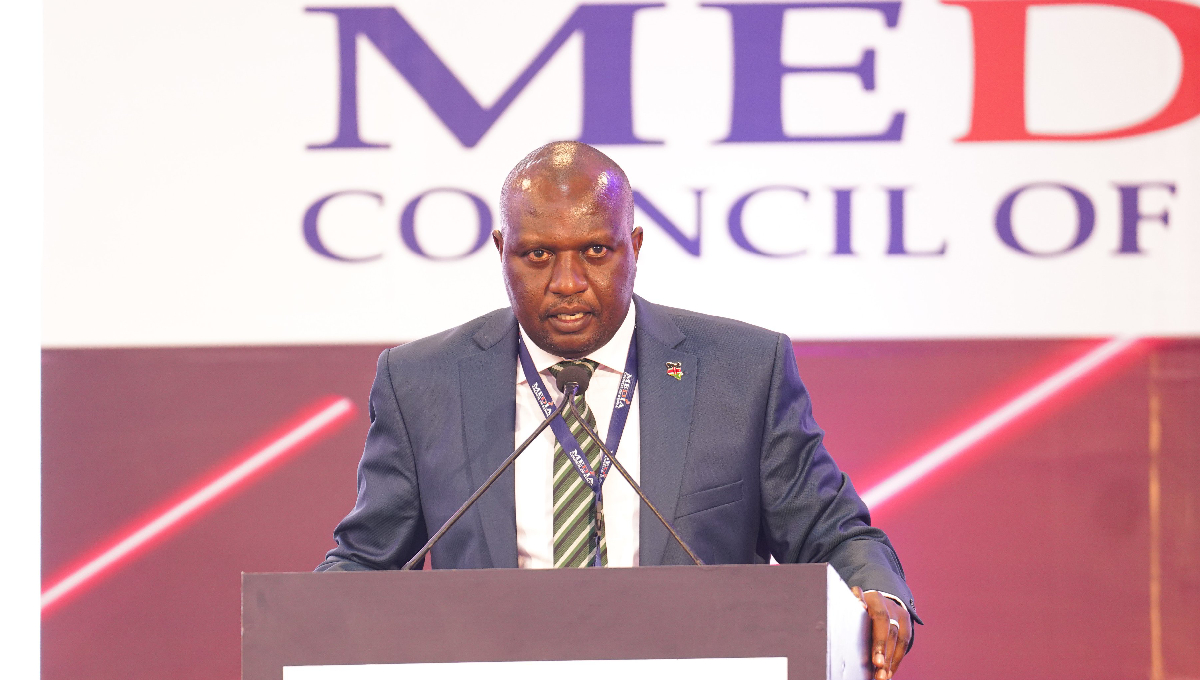
Speaking during the launch, Kenya Space Agency Acting Director-General Brigadier Hillary Kipkosgey emphasised the need to move from policy to implementation, calling for stronger collaboration among stakeholders.
Development partners also welcomed the move, noting that effective governance and sharing of geospatial data will be critical in unlocking its full potential for development.
With the establishment of NEODC, Kenya is positioning itself as a regional leader in the use of space and geospatial data, marking a significant milestone in the growth of its digital and innovation ecosystem.