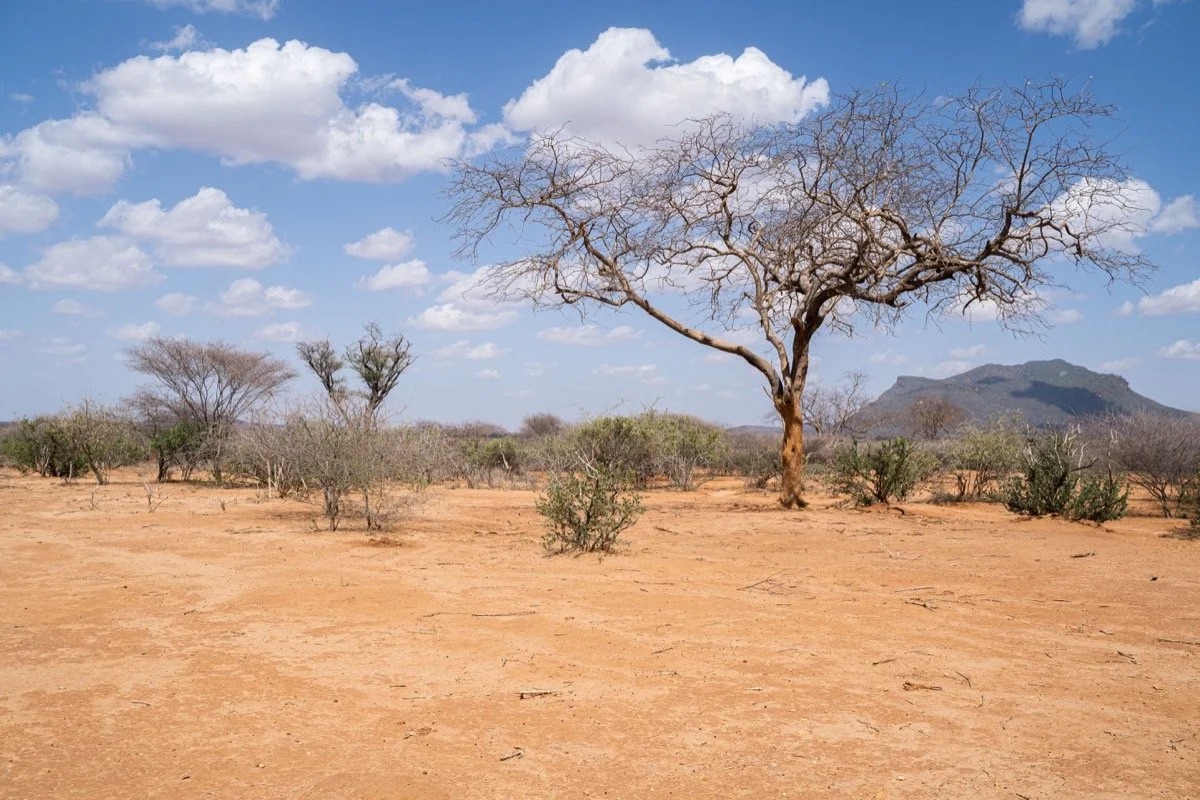
Millions of Kenyans are facing worsening food insecurity as a prolonged drought continues to kill livestock and push food prices higher, with aid agencies warning that the situation could deteriorate further if urgent interventions are not scaled up.
Large parts of Kenya’s arid and semi-arid lands (ASALs) have experienced consecutive seasons of poor rainfall, leaving pastoralist communities with little pasture and households struggling to secure enough food.
In counties such as Turkana, Marsabit and Garissa, weakened animals are dying, cutting off families’ main source of income and nutrition.
For many households, the loss of livestock has forced painful decisions. Families are reducing the number of meals they eat each day, pulling children out of school, or migrating long distances in search of pasture and water.
Local markets that once relied on livestock trade are slowing down, deepening economic pressure in already vulnerable regions.
The impact is no longer confined to rural areas. Reduced food production and disrupted supply chains are contributing to rising prices of staple foods in urban markets, increasing the cost of living for low-income households across the country.
Traders report higher transport costs and reduced supply, while consumers feel the strain at a time when incomes remain stretched.
Humanitarian agencies estimate that millions of people are now experiencing acute food insecurity, with children and pregnant women among the most affected.
Health workers warn that malnutrition rates could rise if access to food and clean water continues to decline, increasing the risk of disease outbreaks in drought-hit communities.
The government has acknowledged the severity of the situation and says it has rolled out relief food distribution, cash transfer programmes and water trucking in the hardest-hit areas.
Authorities have also pointed to longer-term plans aimed at improving water harvesting, irrigation and drought resilience.
However, aid organisations say the response has not kept pace with the scale of need. They warn that funding gaps, logistical challenges and delayed interventions could leave thousands of households without adequate support in the coming months, especially if the next rainy season underperforms.
Experts note that Kenya has faced repeated drought cycles in recent years, highlighting the growing pressure on livelihoods that depend on rain-fed agriculture and pastoralism.
While climate variability has intensified these extremes, analysts argue that preparedness, early warning systems and sustainable land and water management will be key to reducing future losses.