Nairobi’s high-end real estate market is entering a new era, with developers embracing sustainability and wellness as the new frontier of luxury.
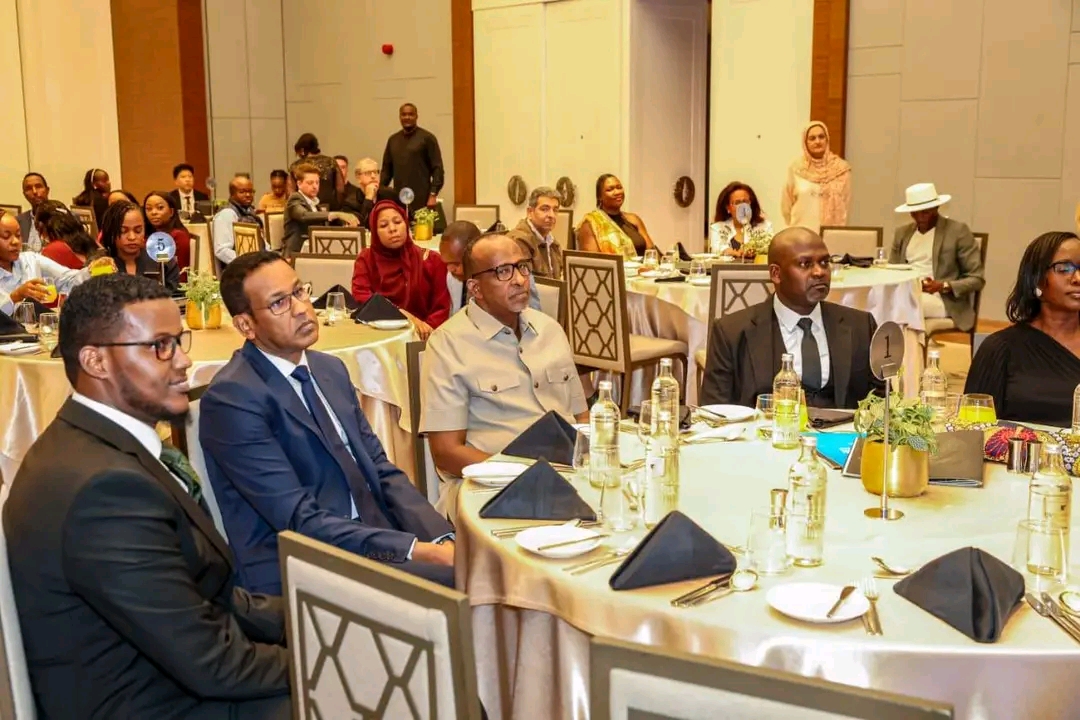
This shift was underscored during the official launch of SILVA Gigiri, a premium residential development on United Nations Crescent, positioned to redefine modern living in the diplomatic heart of Gigiri.
Presiding over the launch, the Cabinet Secretary for Health Aden Duale , highlighted that SILVA Gigiri aligns directly with Kenya’s national health and economic priorities.
He emphasized that modern housing must support the country’s transition from clinical care to preventive and promotive health under the Bottom-Up Economic Transformation Agenda (BETA) and Universal Health Coverage (UHC).
“Wellness-centric design, is becoming a strategic tool in reducing disease burden and enhancing quality of life”.
SILVA Gigiri’s design responds to this vision through expansive green spaces, abundant natural light, serene outdoor environments, and features such as a 300-metre jogging track.
These elements aim to improve mental clarity, address rising mental health concerns, and support efforts to prevent Non-Communicable Diseases—reinforcing the social pillar of Kenya Vision 2030.

Speaking during the launch, Bashar Muhamed , Managing Director-Silva Gigiri noted that this is not just another development, it is a belief in building responsibly for future generations because Africa has the potential to define its own architectural identity—”one that reflects our climate, our environment, and our way of life.”
Industry data shows sustained growth in Kenya’s luxury property market, with prime residential prices rising 5–8 percent annually in neighbourhoods such as Gigiri, Karen, Muthaiga and Runda.
Rental yields have remained competitive at 6–8 percent, buoyed by expatriates, diaspora investors, and a growing Kenyan upper-middle class.
Developers are now responding to a clear shift: luxury buyers are prioritising wellness, sustainability, space efficiency, and long-term value over traditional markers of opulence.
Somalia’s Ambassador to Kenya, Jabril Abdulle, lauded the new approach by real estates to focus on wellness by ensuring nature co- exists with modern housing development.
“Nairobi remains one of Africa’s top destinations for real estate investment, with increasing interest from international developers and institutional investors. The city’s strategic role as an economic and diplomatic hub in East Africa further enhances its attractiveness,” says Ambassador Abdulle.
He further stated that currently, more than 50,000 Kenyans are working in Somalia in various sectors from education, medical services and hospitality sectors.
The ambassador pointed out that, “The good diplomatic relations have opened up our economies and today more of Somalia based companies are investing in Nairobi especially in the financial and aviation sector, but we should expect more investing here from mid this year.”
Kenya continues to strengthen its position as an African real estate leader, driven by rapid urbanization, expanding incomes and strong investor interest.
Experts note that the future of the sector will depend less on the quantity of units and more on the sustainability and long-term relevance of developments.