Low awareness of post-abortion care is increasingly putting women’s health at risk. Health experts warn that many women fail to seek timely medical attention after undergoing abortion due to misinformation, stigma and limited access to accurate reproductive health information.
MSI Reproductive Choices, formerly Marie Stopes, reports that it aims to deliver self-care solutions that empower women to meet their sexual and reproductive health (SRH) needs with a focus on enhancing social marketing capabilities and networks to ensure access to high-quality post-abortion care (PAC) and contraception within a continuum of care. By offering a broad range of products, MSI Kenya strives to achieve sustainability while improving SRH outcomes.
The organization further reports that an estimated 152,057 unsafe abortions have been averted as a result of women accessing its services, adding that 2,600 women die from unsafe abortions annually, an average of seven deaths a day due to abortion related complications.
World Health Organization (WHO) reports six out of 10 unintended pregnancies end in induced abortion.
Linet Wabwile, a post-abortion care client from Kanduyi Constituency in Bungoma County, said she experienced a miscarriage during her second pregnancy which came with a range of complications.
“My first pregnancy was successful. I miscarried the second one and it came with complications,” she said.
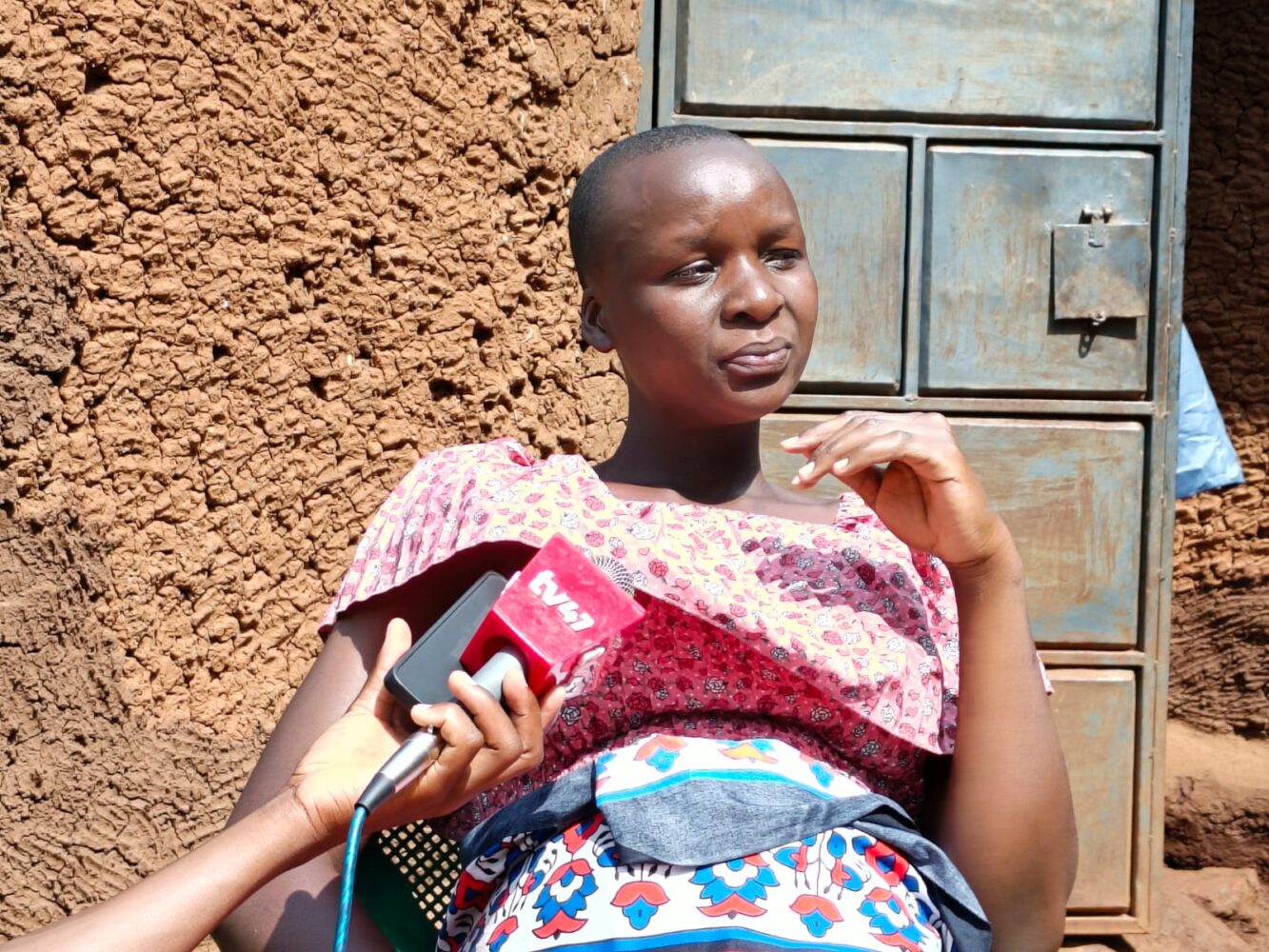
At first, Wabwile said she lacked information about post-abortion care services because it was her first experience with pregnancy loss.
“I underwent severe pain during the process and I did not have someone to explain the situation to me,” she said, adding that she later remembered having the contact of a healthcare provider at the nearest health centre, whom she reached out to and was advised to visit the facility immediately.
She said the miscarriage occurred in the fifth month of her second pregnancy journey.
Wabwile revealed that after examination by nurses, it was discovered that the pregnancy had already been terminated with only the umbilical cord remaining.
She recalled that medication was administered at the facility, but it did not work instantly as she continued to experience severe pain.
“I was at the hospital where the nurses attended to me and cleaned my uterus until I got better,” she said.
She added that after undergoing the procedure, she was advised to use a family planning method to prevent conception for a period of six months.
“After examination by family planning experts, I was put on a five-year method. After healing, I returned to the facility for removal because I wanted another baby and now I am five months pregnant,” she stated.
Wabwile says that she plans to have three children.
Further, Wabwile explained that she has since become a champion in her community where she is on the frontline advising expectant women to seek medical attention whenever they experience any challenges during pregnancy.
She said most health facilities in Bungoma County lack adequate equipment to handle post-abortion care cases.
“Our nurses at the facilities are willing to attend to clients but the challenge is that they lack equipment. I appeal to the government and other non-governmental organizations like Marie Stopes to help us get kits at Mechimeru Health Centre so that women can receive required maternal services on time,” she said.
Lydia Kituyi, a nurse and family planning expert at Mechimeru Health Centre, said post-abortion care involves both treatment and counselling for women who have experienced abortion.
She said the components include emergency treatment of complications, contraception counselling, mental support, screening for sexually transmitted infections (STIs) as well as cervical and breast cancer screening.
Kituyi noted that abortion can be caused by a range of factors, including trauma and medical conditions such as hypertension, diabetes and even common illnesses like malaria.
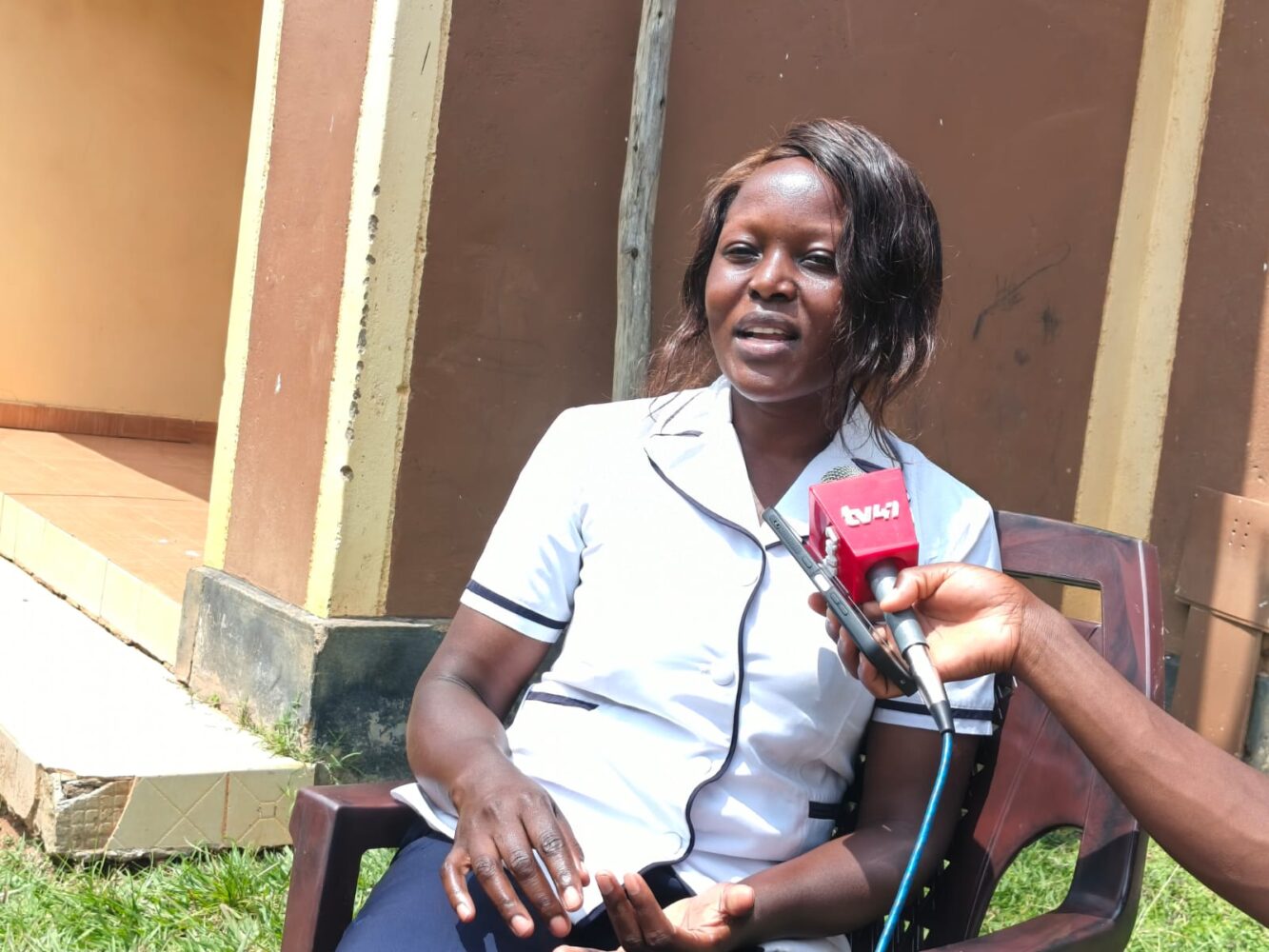
“We also screen our clients for other conditions that might have caused the abortion such as hypertension and diabetes,” she added.
The expert cited haemorrhage (excessive bleeding), infections, thrombosis and perforated uterus as some of the complications commonly presented at health facilities. She said haemorrhage often results from retained products of conception.
“When there are retained products of conception, the woman will continue bleeding unless they are expelled,” she explained, adding that excessive bleeding can also be caused by tears resulting from termination of advanced pregnancies. She affirmed that post-abortion care saves lives.
Kituyi further explained that clients who have lost excessive blood undergo blood transfusion, while those with infections are given antibiotics to ensure the infections are cleared.
“When clients have severe infections, they can easily go into septic shock, which can lead to death,” she warned.
To help prevent abortions in Bungoma communities, the expert said antenatal profiling is key.
“When expectant mothers come to the facility, we check their blood levels, hemoglobin levels, sugar levels and screen for STIs,” she said.
She revealed that stigmatization is one of the main reasons many women fail to seek care.
“Not every terminated pregnancy is induced. Some pregnancies end spontaneously and the process must be completed for the wellbeing of the woman,” she noted.
Kituyi decried the lack of community awareness that post-abortion care services are available at health facilities.
“Another challenge is that there are few service providers trained on post-abortion care services. Lack of knowledge can make someone unable to offer the service,” she said, adding that Marie Stopes is supporting Mechimeru Health Centre by providing Manual Vacuum Aspiration (MVA) kits used to evacuate the uterus in cases of incomplete abortion below 11 weeks.
At Mechimeru Health Centre, she said the turnout for post-abortion care services remains low, with at least 10 women seeking the services monthly.
She added that after an abortion and evacuation procedure, clients are advised to use family planning or contraception for six months before attempting to conceive again.
“For clients who intend to get pregnant again, we advise them to use contraception for the first six months to allow the uterus to heal,” she said.