
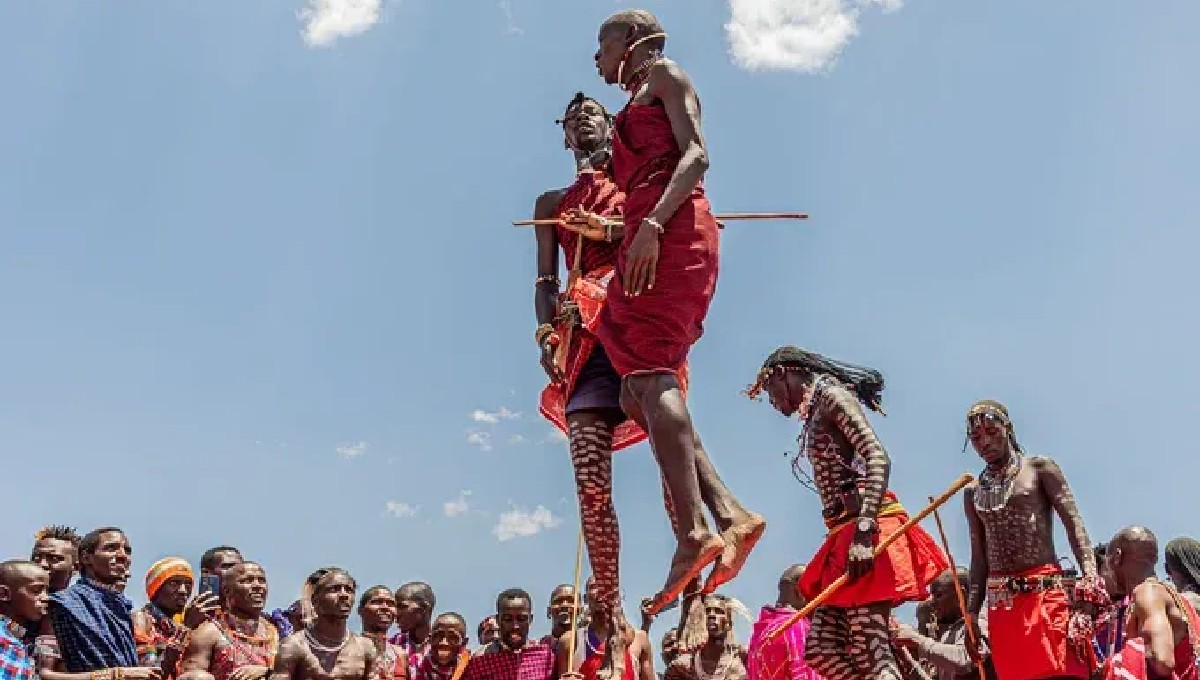
The annual Maa Cultural Week, which ends on Sunday November 9, 2025 at Kimana Gate in Amboseli National Park, Kajiado County, celebrated the rich heritage of Kenya’s Maasai-speaking communities over a five-day event that was focused on culture and tourism.
A lot of Maasai cultural activities were on display for everyone to see. Traditional music and dance performances were a highlight, featuring the renowned “jumping dance” (known as the Adumu among the Maasai).
Artisans showcased their skills with beadwork, leather products, colorful textiles, and various crafts. This highlighted their cultural identity and also promoted the artisans.
The event also focused on conservation and environmental issues. Discussions highlighted the connection between Maa traditions and land stewardship, as well as the effects of climate change on pastoral lifestyles.
Political leaders attended the event wearing traditional Maasai attire, including the President. “We will continue to support the Maa community, working closely with their county governments to strengthen the legacy of environmental conservation. Together, we can protect our natural treasures and ensure that every Kenyan benefits from the wealth of our tourism resources,” he stated.
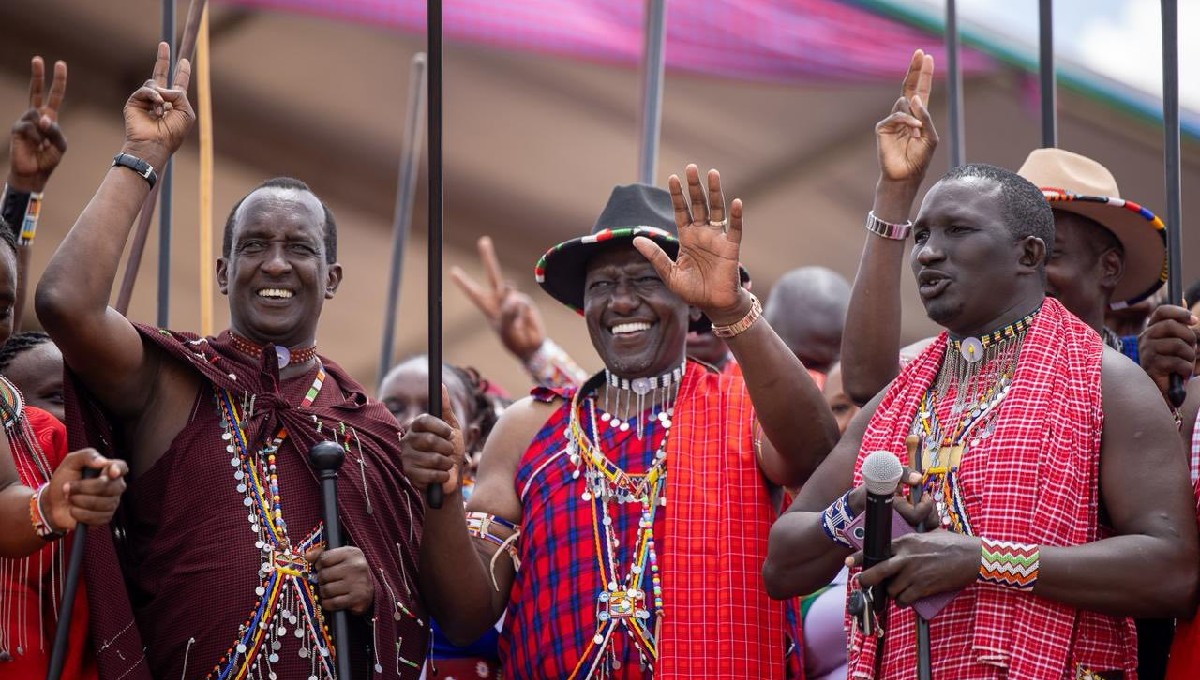
A group adorned in traditional Maasai wear showcased herds of livestock and ceremonial attire. In doing so, this event united various Maasai sub-communities.
The blend of modernity and tradition was quite evident as some people recorded the event with smartphones, yet this does not erode the heritage of Maasai culture but enhances it by showcasing it to people who did not attend the event.
This year’s theme was “Promoting Maa cultural expressions for socio-economic development,” shows that the event was not only a celebration but had a purpose for developing the Maasai culture.
The festival fortified the significance of preserving Maasai customs especially for youth and those residing in urban areas. Local artisans benefited from the visitors that attended the cultural event. This also highlighted the region’s tourism potential.
With the conclusion of this year’s event, attention turns to how the festival can grow while preserving authenticity.