On the 24th of March every year, Kenya joins the world to mark World TB Day. Tuberculosis (TB) spreads through the air. The simple act of breathing can expose others to infection when someone with active TB is not on treatment.
One untreated patient can infect up to 15 people within a year. Yet Kenya’s TB response faces a serious funding challenge. As donor support becomes less predictable, counties are being forced to find local solutions to keep TB services alive.
One county navigating that reality is Kajiado, and they are making remarkable progress.
80 kilometers south of Nairobi lies Kajiado County, a vast, sun-bleached landscape of arid brown earth, sparse green vegetation and red volcanic soil that stretches to the horizon. It is an open country, beautiful and unforgiving in equal measure. And here, quietly, tuberculosis persists. On the frontlines of the disease stand 1,682 community health promoters (CHP) in Kajiado, moving door to door, mile after mile, holding the line between the disease and the people it would otherwise take.
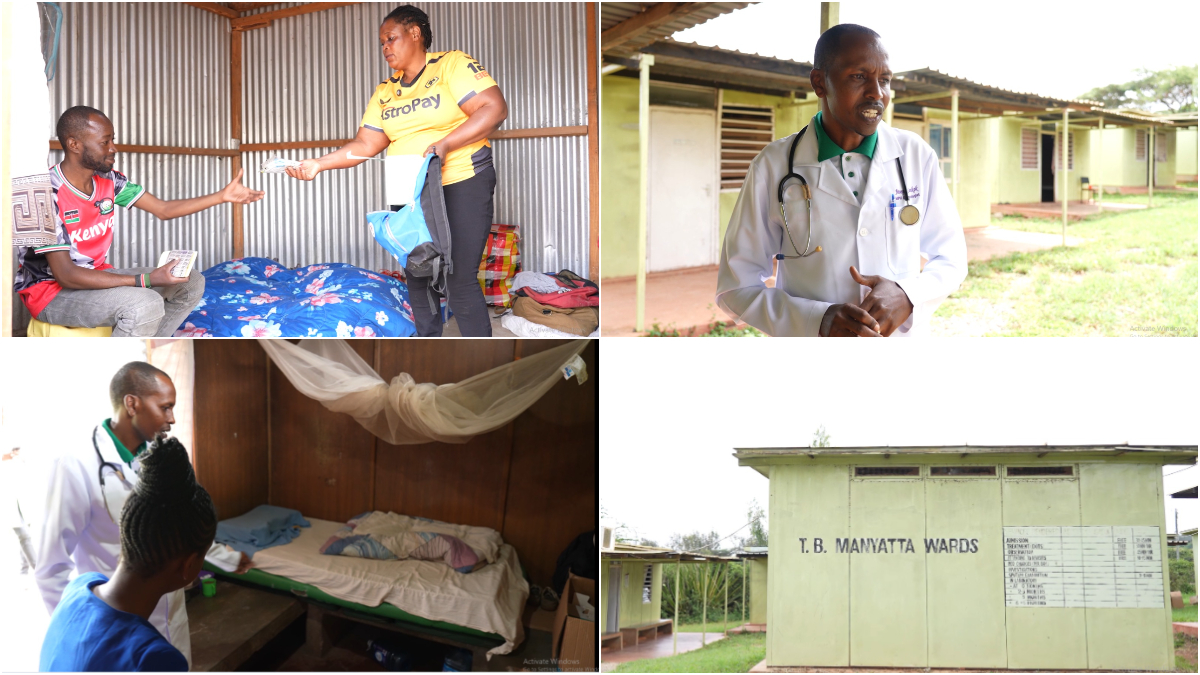
Eunice Akoth is one of them. She carries her fully-equipped kit as she visits Peter Mucheru, a TB patient under her care. She reviews his progress, hands him his next round of tablets and checks his blood pressure. Before she leaves, she hands him a face mask, because TB spreads through the air, and those close to him are most at risk.
A day in the life of a Community Health Promoter
“I was diagnosed with TB in February 2026, I started experiencing chest pains and a persistent cough, when I went to the hospital, the doctors did an X-Ray and that’s when it was confirmed that I was ailing from TB,” Mucheru, the TB Patient, recounts.
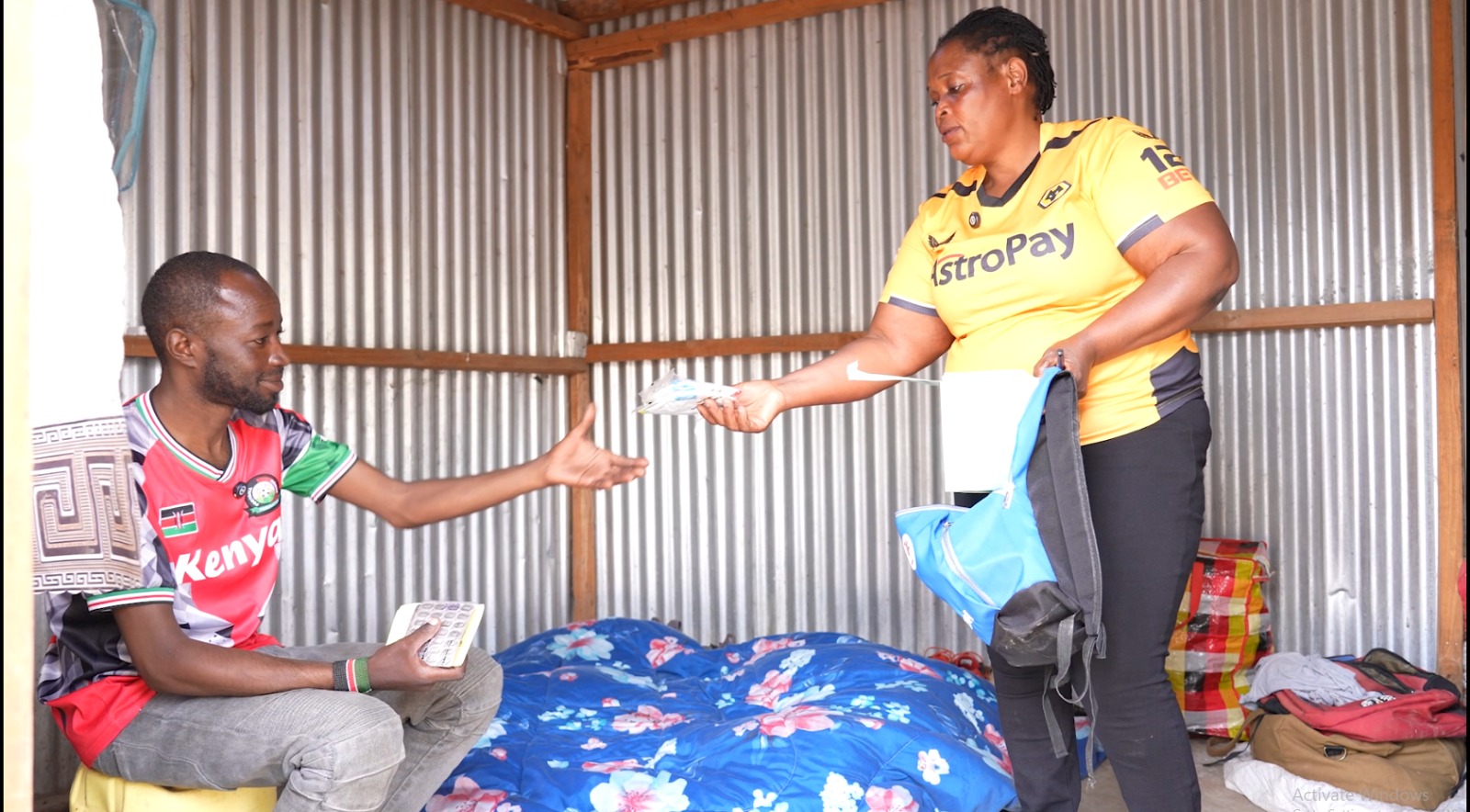
And on to the next patient. Mary Ngina, a mother of three and a businesswoman, fought TB quietly on the margins of her own life…. And on the 21st of November 2025, something profound happened.
“My body is healthy, I feel no pain, TB can be cured as long as a patient adheres to all lines of treatment and medication as prescribed by a licensed health professional,” Ngina narrates her healing journey.
Even after Ngina completed her 6-month TB treatment, Akoth is still visits her home, closely monitoring her.
“Even after a patient completes her treatment, I still monitor them for a duration of 1-2 years, to establish if they are still faring on well in life and if they no longer face stigma from the community,” she notes.
Akoth is among the CHPs who screen for TB, deliver TB medications and educate families about a disease many still fear to name. Joseph Sankok, the county’s TB Coordinator, has watched what people like her have made possible.
“Previosly, stigma was so rampant in Kajiado and we even had people say, ‘that homestead is infested with TB’, I created awareness and informed the locals that TB is not a curse but a disease that can be cured through early screening,” Akoth adds.
The number of TB patients in Kajiado has increased from 147 in 2023 to 193 in 2025. In 2026 alone, 51 patients have been reported in Kajiado County Referral Hospital. The rise in numbers tells a deeper story. Intensified screening and referrals by community health promoters are pulling hidden cases into the light and the proof that those cases are being caught in time is in what happens next: TB treatment success rates in the county have climbed from 81% in 2021 to 93% by June 2025.
“Because of improved diagnosis we are seeing cases going up, In 2021, we had only 1,300 patients, they have increased to 1,700, 1,800 and in 2024 we had the highest at 1,990 and last year we had 1,708. Of course that is because of the sudden cut of funds so we lost a few things last sample networking,” Joseph Sankok, Kajiado County TB Coordinator, says. “So we are seeing cases going up because of improved diagnostics. The number of patients that we are putting on TB Preventive Therapy (TPT) is going up. By 2021 we only had 6 patients, now we have over 700 patients on TPT.”
The revolutionary TB Manyattas
The success of TB treatment in Kajiado has many faces… from the door to door visits to the TB Manyattas. At Kajiado County Referral Hospital lies the TB Manyatta Wards. The Manyattas are purposely built, community based treatment centers. They stand out with their distinctive light green structures. They are designed with both function and culture in mind.
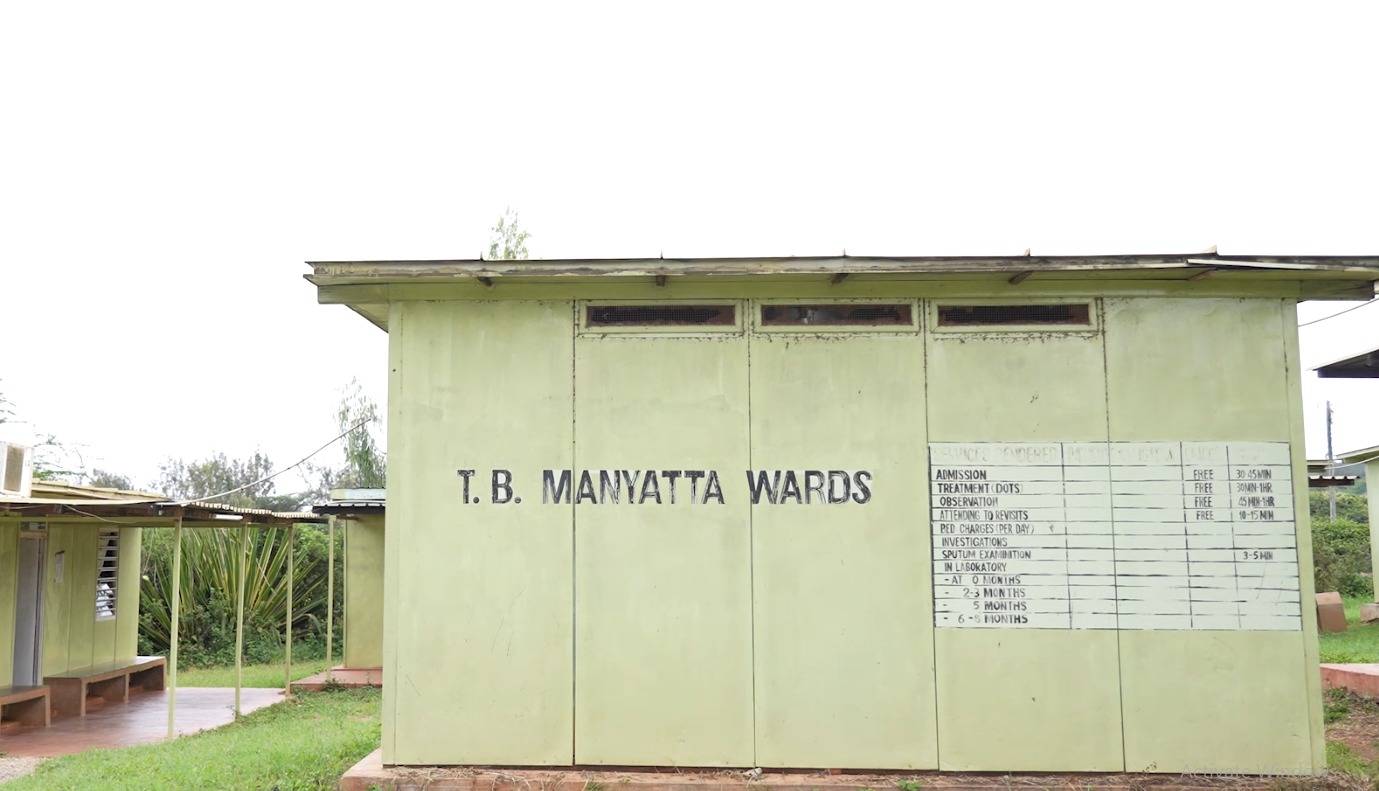
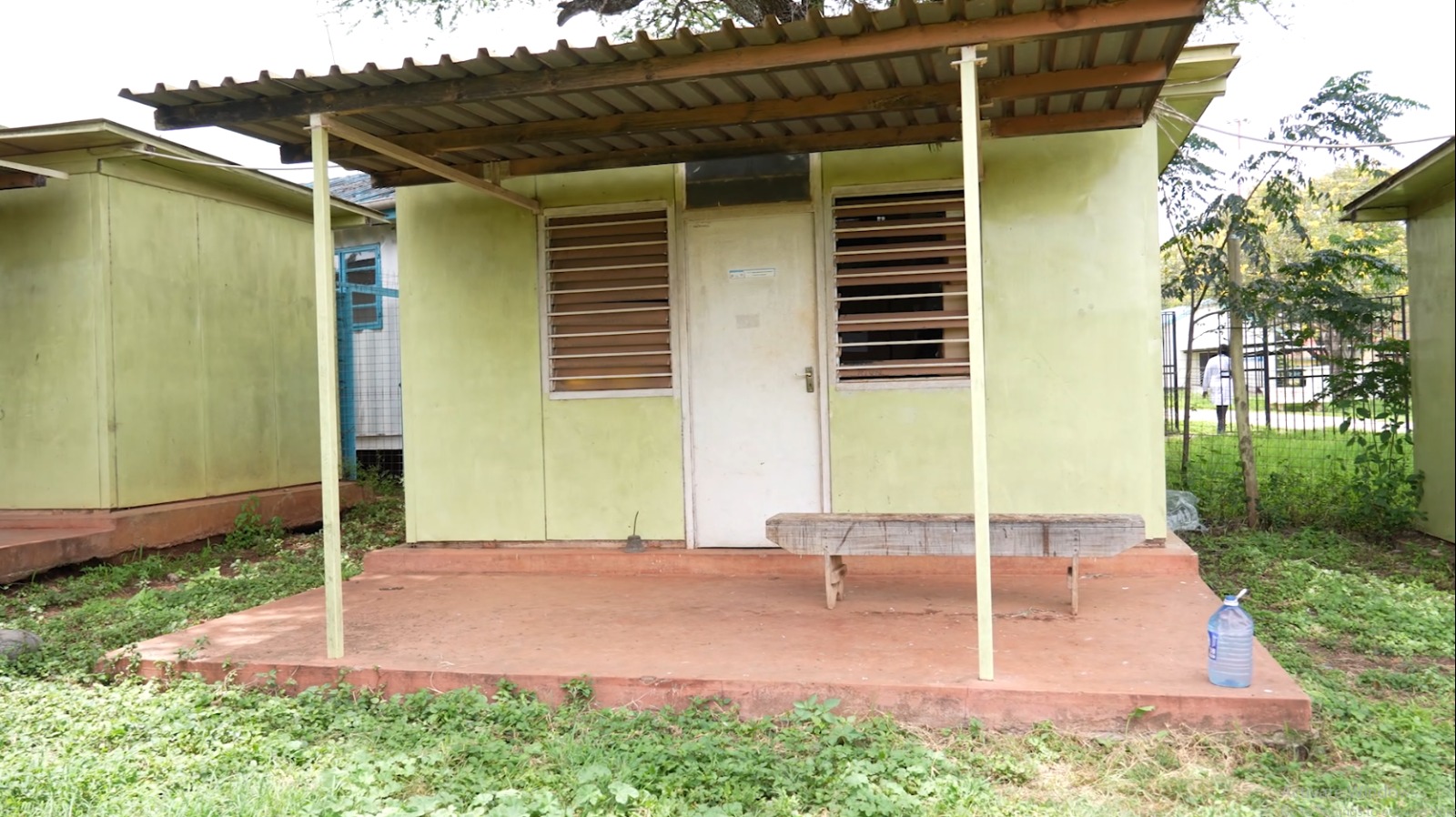
“A TB Manyatta is somewhere we isolate TB Patients who sometimes refuse to take drugs from their households and their relatives complained, or from our records we follow them up and we come to a conclusion that these patients have defaulted from taking drugs. We follow them and bring them here,” Sylvia Nailante, a health provider in the TB Manyattas, explains.
Sankok adds: “From only 44 about 5 years ago, now we re having patients about 153, though we have 2 TB Manyattas here at Kajiado Referral Hospital and Loitoktok Referral Hospital, so the whole year we can have 130,137 to 153 last year who are taking drugs at the Manyattas.”
“I’ve stayed here at the Manyatta from July last year and I’m scheduled to be discharged in May this year, once I complete treatment,” Abdi Fattah, a patient in one of the TB Manyattas, says.
Community-based interventions
Kajiado is home to the Maasai, a pastoralist community who move from one place to another in search of pasture for their livestock. For TB patients, this constant movement makes it nearly impossible to complete the long months of treatment as required. But community based interventions are changing that.
According to Sankok, “Our defaulter rate was very high, initially at 14% annually, that has since come down and in 2024, our defaulter rate was at 8%, The first half of 2025 we were at 6.5% and our target is to bring this down to 5%.”
Nailante adds: “And if the patient is resistant to be found, we liaise with locals and community leaders, and the patient is brought here for treatment.”
On her part, Akoth says, “My responsibility is to ensure that a patient has access to treatment, if they are travelling to another location, they must let me know so that I can deliver the medication.sometimes I package the medicine as a parcel and send it to the patient.”
Funding shortfall
The dwindling donor support has created a projected KSh13.8 billion funding shortfall for 2026 in the country. Kajiado is bearing the heat. The county lost 172 health workers supported on various aid related programs including TB. To bridge this gap, the county has employed new staff further increasing its health funding for TB from KSh2 million to KSh10 million in the 2025/26 Financial Year.
“Some 22 facilities in Kajiado County were running on cloud systems, so that was being supported and when the funds went away, we lost some data that we have since reclaimed because we have brought back the system in place,” Sankok reveals.
Akoth says: “As a Community Health Promoter, when they announced the funding freeze, I did not lose hope, I was in the forefront in leading the fight against TB, I used to visit more than 10 homesteads to deliver medication.”
With more than 130,000 TB cases reported annually, Kenya remains among the 30 high-burden countries globally. However, interventions such as the use of Community Health Promoters, Genexpert Technology for rapid diagnosis, and shorter, more effective treatment regimens have had a significant impact — reducing annual TB deaths from 23,000 in 2023 to 15,000 in 2024.