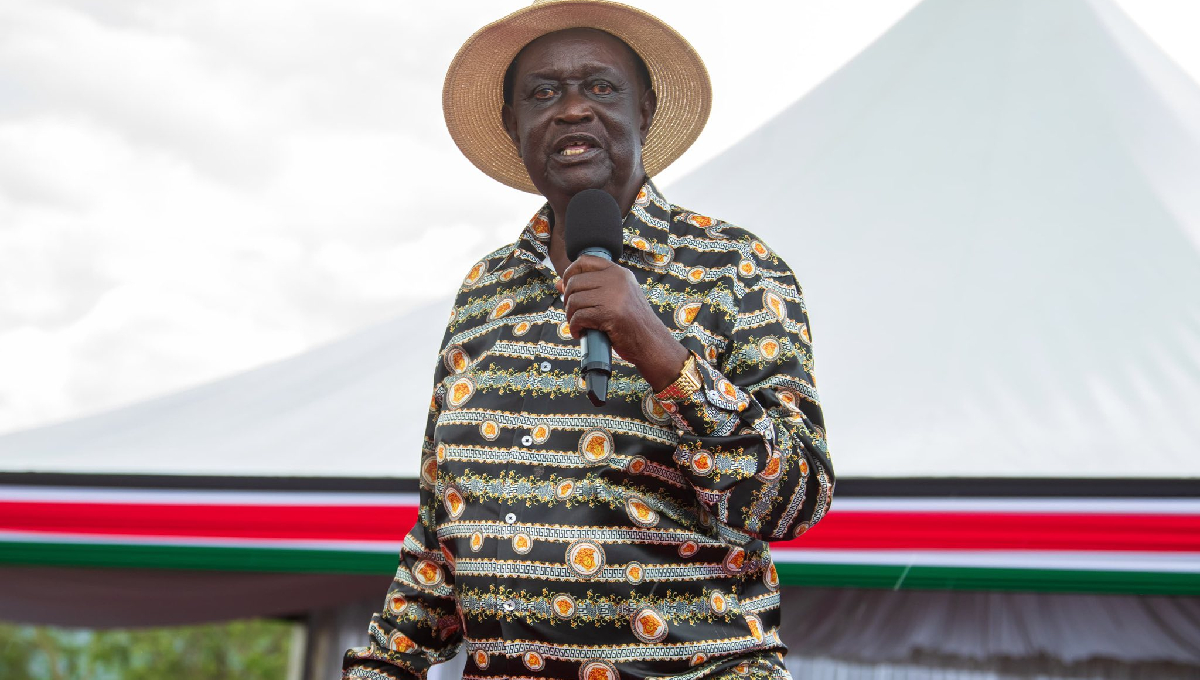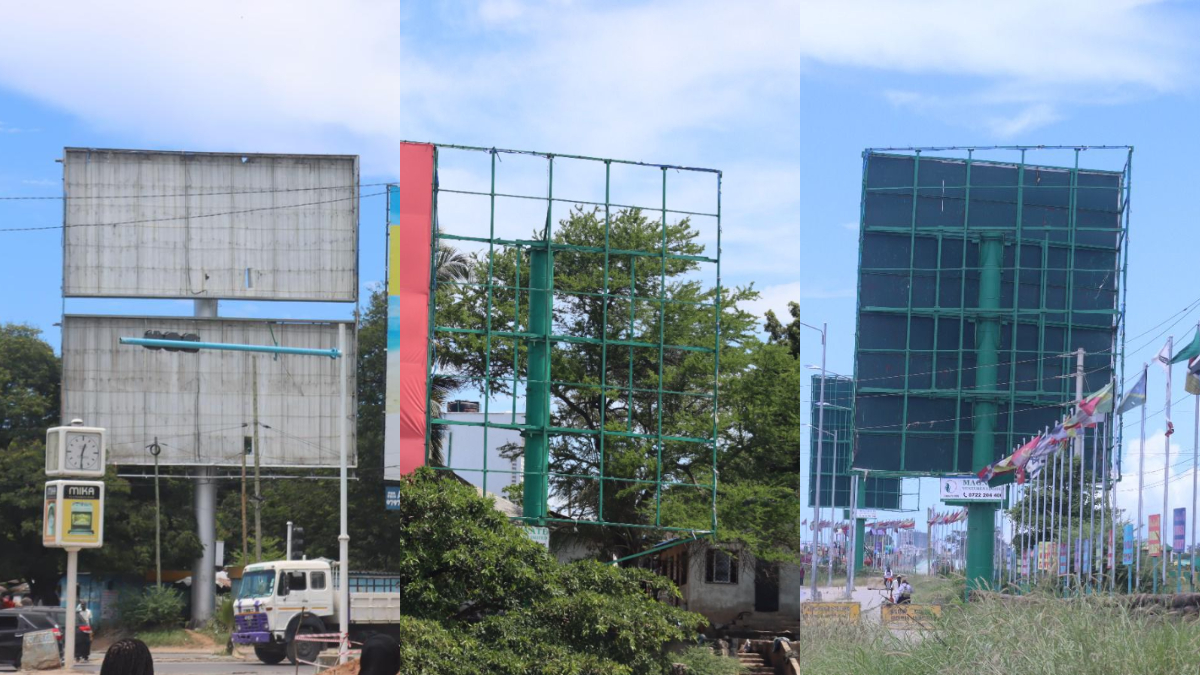
A political storm is brewing in Mombasa County after Nyali MP Mohamed Ali accused county officials of orchestrating the forceful removal of billboards promoting voter registration.
In a statement on Tuesday, April 7, Ali claimed that three billboards carrying a civic message were pulled down on the night of April 6 in Buxton, Ferry, and Kibarani under what he described as intimidation and threats directed at advertising operators.

The lawmaker alleged that the pressure was linked to the county administration led by Governor Abdulswamad Sharrif Nassir, though the county government had not immediately responded to the claims.
According to Ali, the billboards procured through licensed vendors carried a non-partisan message urging residents to register as voters: “Utawala Bora sio zawadi. Ni haki yako. Chukua kura tujikomboe.” He emphasized that the message was purely civic and aimed at encouraging democratic participation.

“This is an outright abuse of power and suppression of civic space,” Ali said, arguing that the removal of the billboards violates constitutional guarantees on freedom of expression and undermines voter awareness efforts in the Coast region. 
He further claimed that digital screen operators in the county had also received threats warning them against airing an animated version of the same message.
The MP linked the incident to what he termed a broader pattern of governance issues in Mombasa, accusing unnamed leaders of concentrating power, weakening service delivery, and treating citizens as passive beneficiaries rather than active participants in governance.
Ali has now called on the Independent Electoral and Boundaries Commission (IEBC) to investigate the matter, terming it interference with legitimate voter registration campaigns.
He also urged residents to remain vigilant, framing the issue as one that transcends political competition.
“This is not about one candidate it is about the people’s right to freely choose their leadership,” he said. 
The incident is likely to heighten political tensions in the coastal county as the country edges closer to the next electoral cycle, with questions emerging over the protection of civic messaging and freedom of expression.