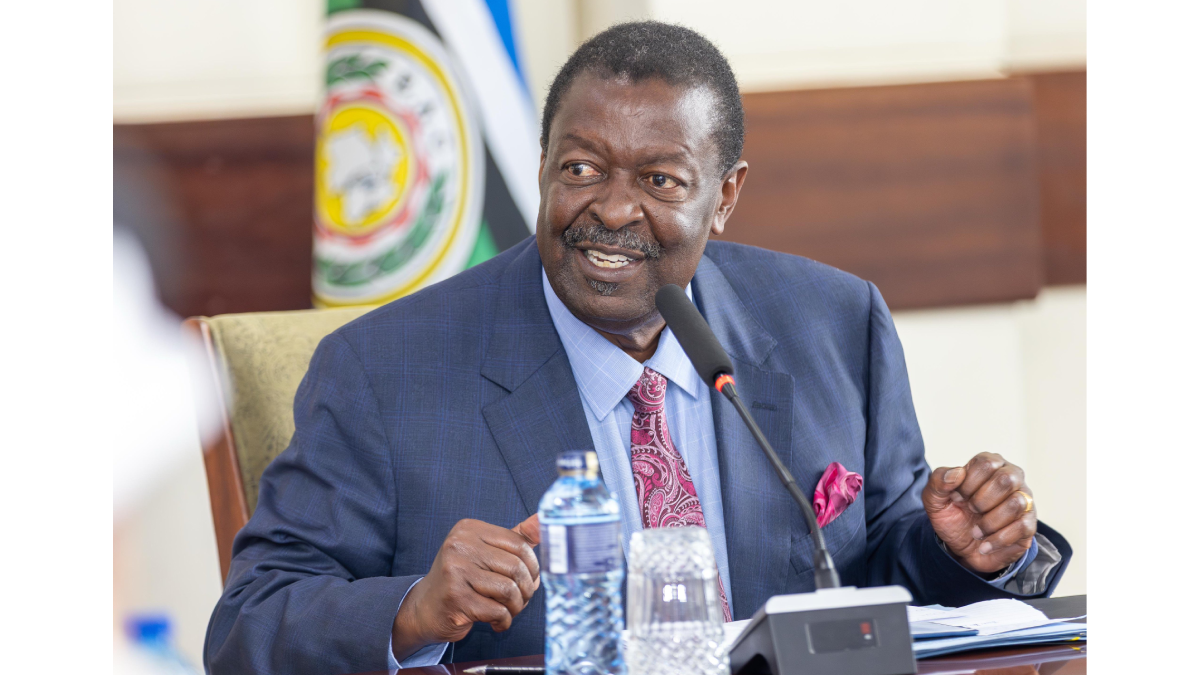
Prime Cabinet Secretary Musalia Mudavadi has proposed the possibility of conducting a constitutional referendum alongside the 2027 General Election, arguing that the move could help Kenya resolve long-standing governance issues through a single, cost-effective process.
Speaking during an end-of-year media interview at CHAMS Media in Nairobi, Mudavadi said unresolved constitutional matters could be structured into clear referendum questions and subjected to a national vote during the next election cycle.
“We can use the 2027 election as the first example to have those issues that have never been resolved crafted well into sensible referendum questions,” Mudavadi said, adding that the process is manageable if well structured under the Independent Electoral and Boundaries Commission (IEBC).
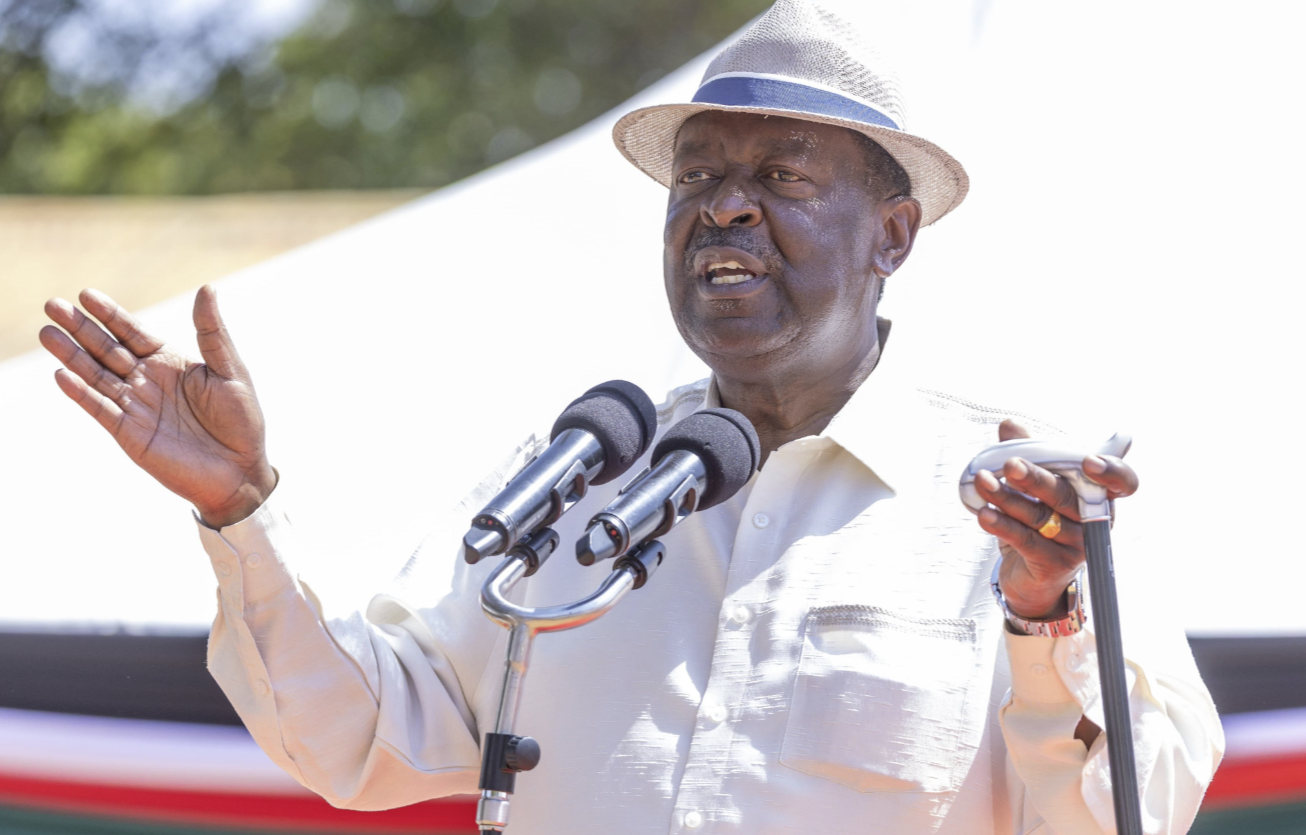
The Prime CS noted that Kenyans are politically mature enough to handle both exercises simultaneously.
“If you can vote for six people on one ballot paper, I think we are now mature enough to include maybe two or three constitutional questions,” he stated.
Mudavadi said discussions on the proposal should begin in 2026 to allow adequate public participation and consensus-building ahead of the polls.
He argued that combining the two processes would not significantly increase election costs, as they would run concurrently.
He cited the implementation of the National Dialogue Committee (NADCO) report as one of the issues that could be addressed through a referendum.
“Parliament was tasked to resolve the issues in the NADCO report, but there has been too much back and forth,” he said. “Why can’t we take this to IEBC and let Kenyans decide?”
Other matters Mudavadi suggested could be subjected to a referendum include inclusivity in governance, the question of a substantive Prime Minister, the future of the Constituency Development Fund (CDF), and the long-standing two-thirds gender rule.
“This debate on the gender rule has remained endless. What better public participation can there be than a referendum?” he posed.
Mudavadi maintained that resolving such issues constitutionally would spare the country from recurring post-election disputes and prolonged political negotiations.
“A combined election and referendum would help us move away from constant bickering and allow the country to focus on development, job creation, and economic recovery,” he said, noting that the approach could also boost voter turnout and set a precedent on the continent.