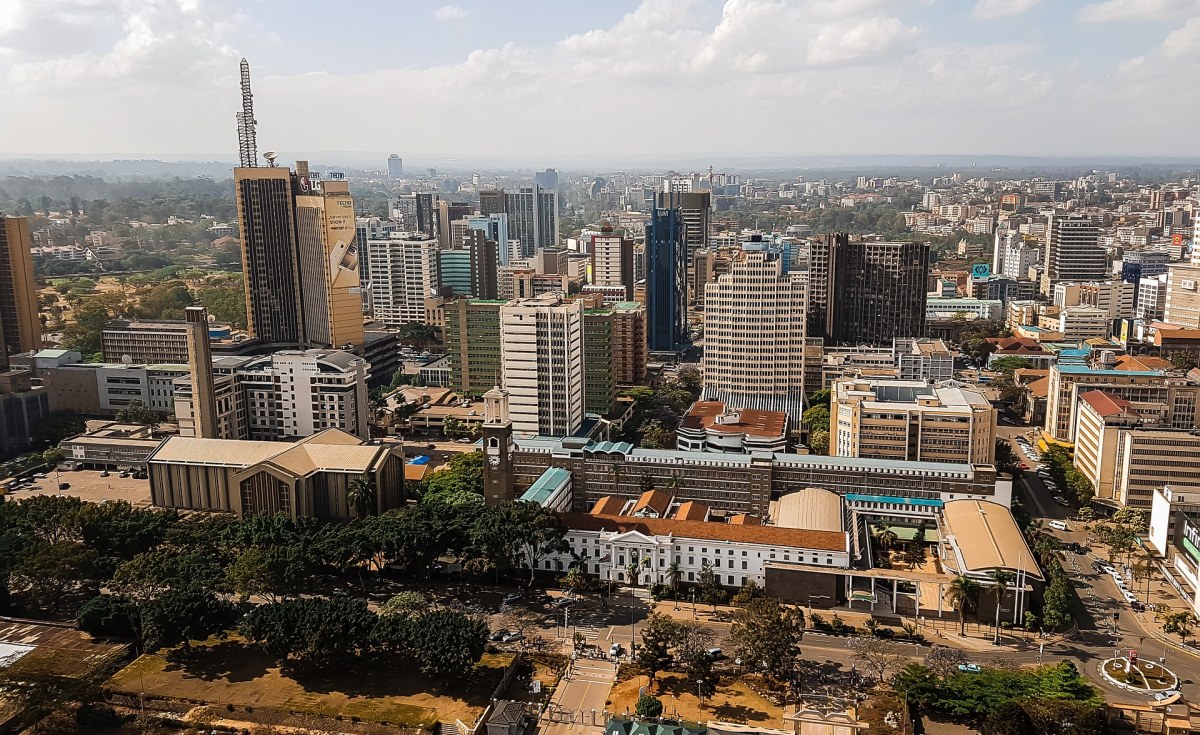
For decades, the Kenyan capital of Nairobi has been the darling of both locals and foreigners. Nicknamed “The Green City Under the Sun”, it has long stood out among African metropolises for its rare harmony between glass towers and greenery, a city where skyscrapers rise gracefully among trees, creating a balance between concrete and nature.
But the charm that once earned Nairobi the moniker “The Capital of Africa” is slowly wearing off. Over the past decade, the city has come under immense strain, struggling to meet the demands of its swelling population and fast-paced growth.
Rising insecurity, rampant muggings, dimly lit streets, obstructed walkways, and endless traffic jams have left residents frustrated.
Poor drainage and weak garbage management systems have further eroded Nairobi’s reputation as a clean and vibrant city.
![Lorna Wachira (left), Customer Experience Lead at PDM (Services) Ltd., shares a light moment with former Nairobi Mayor Joe Aketch at the Nation Centre, Kimathi Street, during the Placemaking Week Nairobi celebrations. The global initiative spotlights how communities can co-create and re-imagine vibrant, inclusive, and sustainable public spaces. [Photo: Adam Kagema]](https://www.tv47.digital/wp-content/uploads/2025/11/PDM-Placemaking-1-4-1600x900.jpg)
These challenges have not gone unnoticed. Concerned stakeholders are now rallying to restore the city’s lost glory and reimagine the future of the Central Business District (CBD).
Their renewed commitment was reaffirmed as Nairobi marked World Cities Day under the global Urban October observance.
“The CBD still holds immense value for Nairobi and for Kenya as a whole. By working together, we can ensure the CBD evolves sustainably while retaining its central place in Nairobi’s growth story,”
said Lorna Wachira, Customer Experience Lead at PDM (Services) Ltd, one of Nairobi’s oldest real estate and property management firms.
Wachira underscored the need for people-centered, inclusive, and sustainable urban spaces, a vision she believes will restore the CBD’s vibrancy and reclaim its role as Kenya’s economic and cultural heartbeat.
From an economic perspective, the health of the CBD directly influences Nairobi’s competitiveness, employment levels, and quality of urban life.
Continued investment in well-managed, high-quality properties, Wachira noted, will help the CBD remain attractive to both businesses and consumers.
“We see great opportunity in co-designing Nairobi’s skyline and streets alongside other stakeholders,” she said. “Placemaking shows that simple, collaborative interventions, such as redesigning streets for pedestrians or adding greenery and public art, can make the CBD safer, more accessible, and more enjoyable for everyone.”
In recent years, congestion, poor pedestrian infrastructure, and the constant tug-of-war for space between cars, hawkers, and commuters have made navigating the CBD a daily struggle.
As Nairobi expands into new commercial zones, stakeholders are warning that revitalizing the city’s heart is no longer optional — it’s essential.
Wachira believes the solution lies in smart design and collaboration. But more importantly, she says, it requires collective ownership.
Urban planners, businesses, residents, and government agencies must work together to sustain Nairobi’s economic momentum, and restore the brilliance of the Green City Under the Sun.
ALSO READ: Kenya ranked among countries with highest Internet connectivity