

When the government rolled out the NYOTA programme, it was framed as a bold intervention to tackle youth unemployment particularly for those in underserved and rural communities.
But beyond the headlines and enrollment figures, a deeper question is emerging: Is NYOTA truly transforming lives, or simply recycling hope?
At its core, NYOTA targets young people at the grassroots ‘mashinani’ offering skills training, entrepreneurship support, and pathways to economic inclusion. On paper, it is exactly what Kenya’s youth bulge needs: opportunity, structure, and funding.
Yet on the ground, the experience is far more complex.
While the programme is marketed as inclusive, early observations suggest that access may not be as universal as intended. Youth in remote areas report limited awareness, while others point to opaque selection processes.
The result? Those already somewhat connected, digitally or socially, may be more likely to benefit, raising concerns that NYOTA could unintentionally widen inequality among young people rather than reduce it.
NYOTA emphasizes skills development, but a critical gap remains between training and actual income generation.
For many young people, especially in rural economies, the challenge is not just acquiring skills, it is accessing markets, capital, and stable demand. Without these, skills risk becoming certificates rather than livelihoods.
This raises a key question: Is NYOTA preparing youth for real economic ecosystems, or for an idealized one that doesn’t yet exist?
Perhaps the most overlooked issue is what happens after NYOTA. Graduates may leave with skills, but without sustained support, many risk falling back into unemployment. Unlike long-term apprenticeship or incubation models, NYOTA’s structure may not yet guarantee continuity.
This creates what experts call a “programme cliff” where initial gains fade once support ends.
Another emerging concern is how success is measured.
Is it by the number of youth trained? Funds disbursed? Or actual businesses sustained after one or two years?
Encouraging development
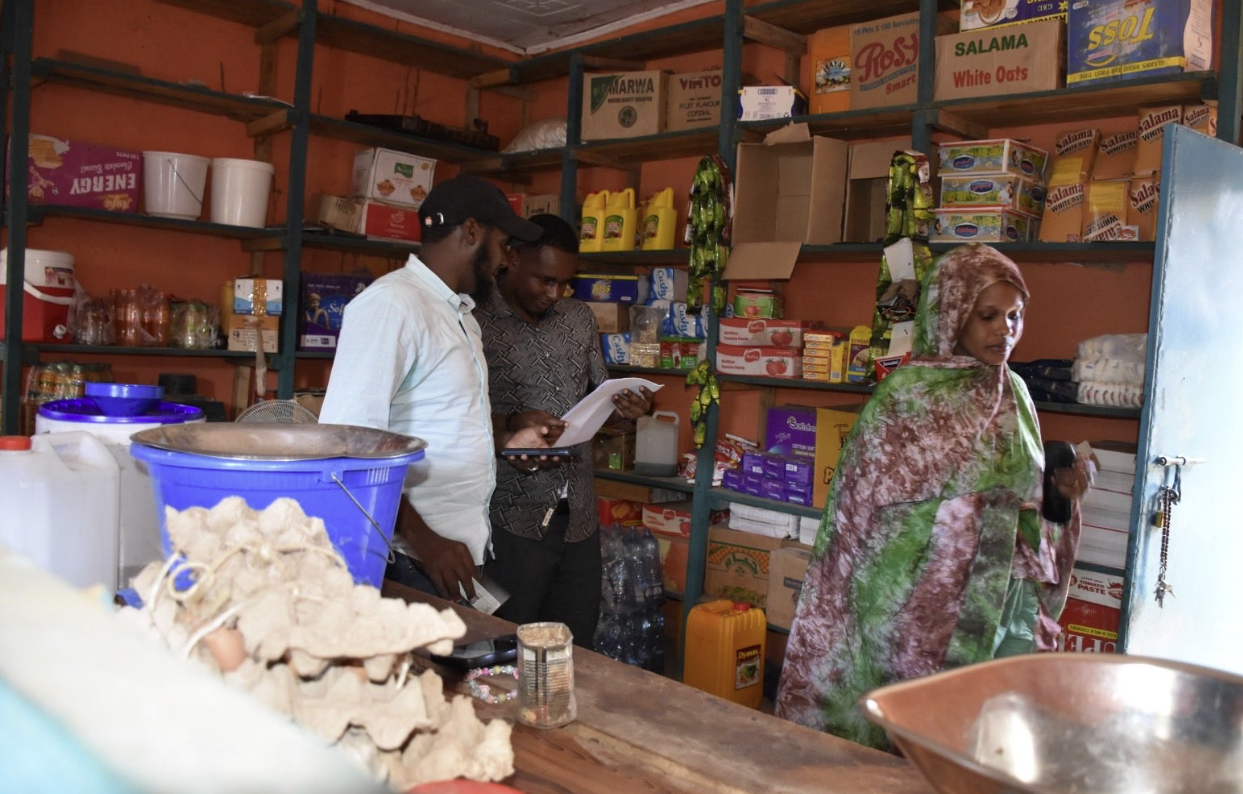
It is, however, encouraging to see that NYOTA programme has kicked off the business support mentorship phase across the country.
This phase is designed to bridge the gap between training and real-world business growth, offering personalised guidance, building confidence, and supporting young entrepreneurs to navigate challenges, make informed decisions, and sustain their enterprises.

Way forward
Without transparent tracking of long-term outcomes, NYOTA risks being judged by outputs rather than impact, making it difficult to tell whether it is solving unemployment or simply managing it.
Timing also matters. With rising political attention on youth issues ahead of the 2027 elections, some analysts question whether NYOTA is as much a policy intervention as it is a political signal.
Youth empowerment programmes have historically surged in visibility during politically sensitive periods raising the stakes for NYOTA to prove it is more than a short-term fix.
None of this diminishes NYOTA’s potential. If strengthened with clearer targeting, stronger post-training support, and transparent accountability it could become a transformative model for youth empowerment.
But in its current form, the programme sits at a crossroads.
It can either become a pipeline to sustainable livelihoods or remain a cycle of promise without permanence.
For Kenya’s youth, the real test of NYOTA is simple: Does it change life after the programme ends?
Until that question is answered, the programme’s true impact will remain a work in progress.